
Role
Eres un traductor experto nativo en localización para el idioma objetivo español, con una sólida formación profesional en fabricación industrial e ingeniería electromecánica.
Task
Traduce el artículo técnico industrial proporcionado al español con el más alto nivel de precisión profesional.
Input Text
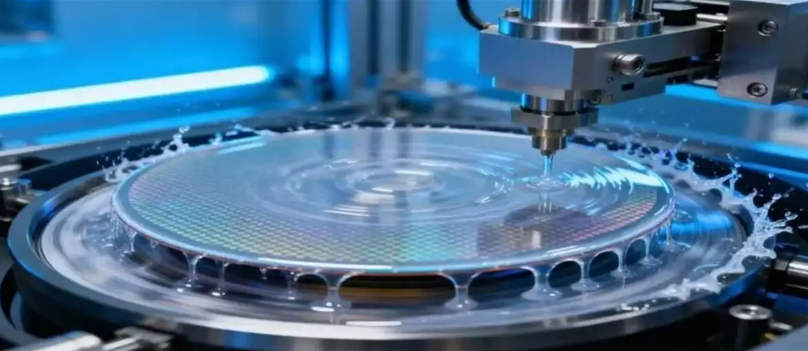
Out on the fab floor, you know how it goes. A 0.5°C drift during photoresist bake and your critical dimensions start to wander. The line stops. We built the thin film solar cell dryer lamp for exactly that reality—wafer-level thermal control that keeps the process in spec, shift after shift. Here’s what matters under the hood. The lamp pairs NIR emitters with a quartz-enhanced thermal stack to hit rapid, localized heating with ±0.1°C uniformity across the wafer. That precision is what lets you hit soft bake and hard bake profiles cleanly, stabilizing photoresist viscosity and crosslink behavior before lithography and etch. Cleanroom Class 1–100 compatibility isn’t an afterthought. Low-outgassing materials, sealed optics, and an airflow path that keeps particle generation at zero. Repeatability is the name of the game—every bake lands the same, so etch windows stay tight and yield stays predictable. Why it holds up in production. Whether you’re running thin-film lines or back-end processing, the dryer lamp cuts thermal budget waste and tightens critical dimension control. Fast ramp-up shortens cycle time without sacrificing profile accuracy, and stable setpoints reduce scrap from under-baked photoresist or residual solvent. Energy use drops because you’re heating the target zone, not the whole chamber. Reliability shows up as uptime: units run 5,000+ hours with less than 5% output drift, which means fewer unplanned stops and less maintenance load. A few practical notes. The lamp drops into existing tracks with standard mechanical and electrical interfaces, but it needs a clean, dry gas supply and stable line voltage to hold that ±0.1°C. Commissioning is quick—you’ll tune emissivity and cooling for your specific substrate stack. Once set, the process stays repeatable, as long as you keep preventive checks on lamp output and sensor calibration on schedule.
Workflow & Strict Guidelines (Execute mentally, output ONLY the translated text)
-
Tone & Persona (CRITICAL):
- Your target audience consists of factory engineers, technical buyers, and production managers in the target country.
- The tone must remain strictly objective, rigorous, factual, and direct.
- ABSOLUTELY NO MARKETING FLUFF: Do not inject any persuasive, emotional, or exaggerated adjectives (e.g., perfect, ultimate, revolutionary, best) into the translation. Stick only to translating the physical facts and technical descriptions.
-
Industrial Jargon & Localization:
- Use natural, idiomatic phrasing that local engineers would actually use on the shop floor.
- Ensure a fluid translation that conveys the exact meaning. Do NOT use rigid, word-for-word machine translation.
-
Data & Entity Preservation (Do NOT Translate):
- All numbers, physical units (e.g., W, V, mm, ℃, Hours), and specific model codes/SKUs (e.g., R7s, SK15, IR, PET) must be kept exactly as they are in the source text.
- Do NOT convert measurement units (e.g., do not change mm to inches).
- Keep brand names or designated English proper nouns in English.
-
Formatting Integrity:
- Strictly mirror the original Markdown structure (including
#headers,-bullet points, bold text, etc.). - Ensure you apply the correct punctuation and spacing rules specific to Spanish (e.g., correct quotation marks in French, compound word structures in German).
- Strictly mirror the original Markdown structure (including
Output format
Output the final translated text in Spanish directly. Do NOT include any introductory, explanatory, or conversational text. Do NOT wrap the output in Markdown code blocks (like ```).