
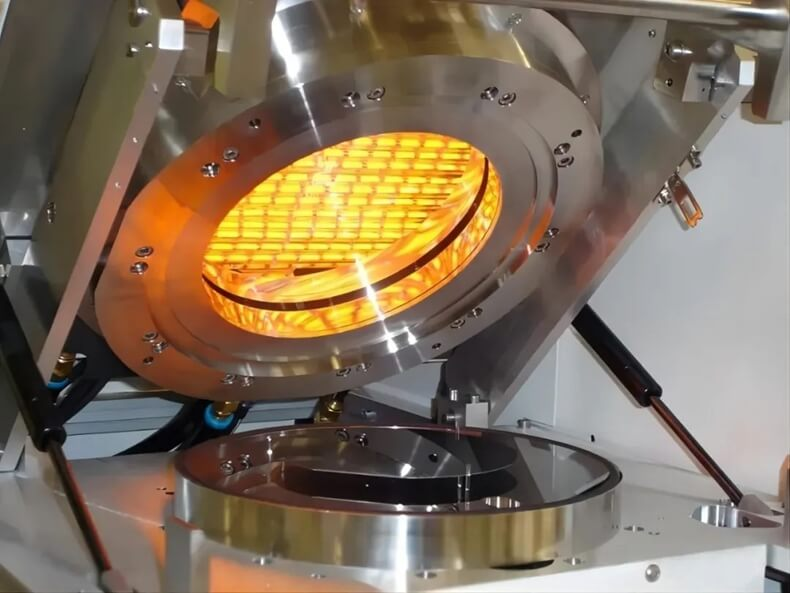
On the fab floor, the photoresist bake step isn’t optional. A 0.5°C drift in soft bake or hard bake can eat into your critical dimension (CD) budget, and one lamp failure shuts the line down. We built our quartz sleeves for exactly that reality: 24/7 operation with zero unplanned downtime. What matters, technically We use high-purity quartz selected for short- and medium-wave IR transmission, so the lamp output couples cleanly into the photoresist thermal response. The sleeve geometry is tuned for wafer-level uniformity, keeping temperature across the bake plate within tight limits. Cleanroom compatibility is baked in—material and finish keep particle counts low, even after repeated thermal cycling. The payoff is repeatable bake profiles, run after run. Why this works in lithography In lithography, repeatability is the only scoreboard. These sleeves hold the thermal envelope steady through soft bake and hard bake, protecting CD control and yield. They also stretch lamp life, which cuts into preventive maintenance windows and reduces spare inventory. With stable output and predictable degradation, you spend less time chasing drift and more time shipping wafers. Things to keep in mind Quartz is tough, but it doesn’t like mechanical shock and it’s picky about certain cleaning chemistries. Handle the sleeve with clean, non-marring tools, and match the lamp interface and mounting torque to your equipment spec. For sustained performance, make sure the sleeve is matched to your lamp spectrum and power density; a mismatch can shorten service life even when the sleeve itself is sound.