
Stop the Bathroom Mold with a Little Bit of Science
Most of us just think of those bathroom heating lamps as a way to keep from shivering when we step out of the shower. But if you look under the hood, they’re actually doing something way cooler than just making the room feel cozy.
How it actually works
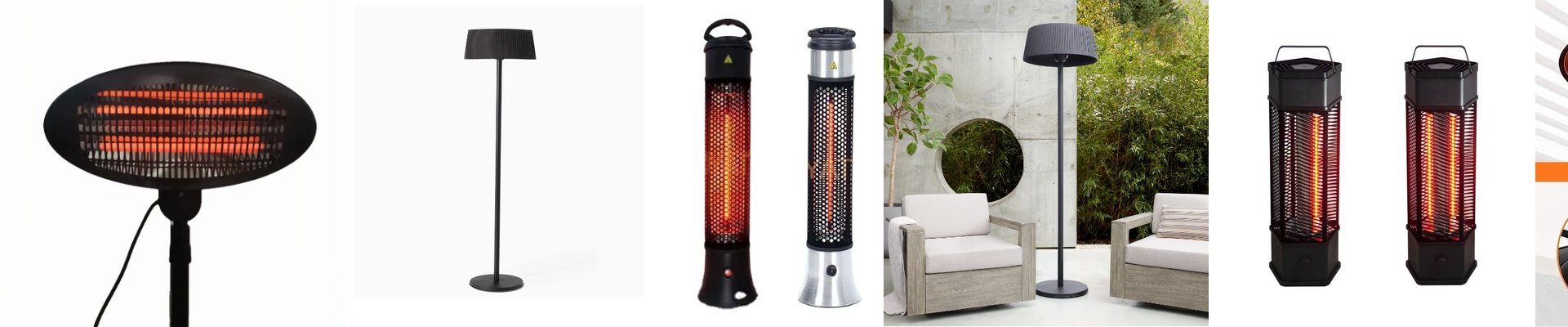
Think about a regular space heater. It warms up the air, but air is pretty bad at holding onto heat. Shortwave infrared is different. It doesn’t waste time with the air; it goes straight for the surfaces. It hits your tiles, your grout, and that damp shower curtain like a spotlight. This energy gets the water molecules on those surfaces moving fast, which turns that lingering dampness into vapor. Once that moisture is in the air, your exhaust fan can actually do its job and pull it out of the room. Basically, if the walls stay dry, the mold has nowhere to land. No damp spot, no mold. Simple as that.
The guts of the machine
We don’t use regular glass for these. We use high-purity quartz. Why? Because these things go from room temperature to 600°C in a heartbeat. Regular glass would just shatter. Inside, there’s a tungsten filament wrapped in halogen gas. That keeps the bulb from burning out the second you flip the switch. And since this is a bathroom—and water and electricity are a nightmare pairing—we obsess over the seals. We use heavy-duty silicone and reinforced gaskets so you don’t have to worry about a stray splash hitting a terminal.
The tricky part
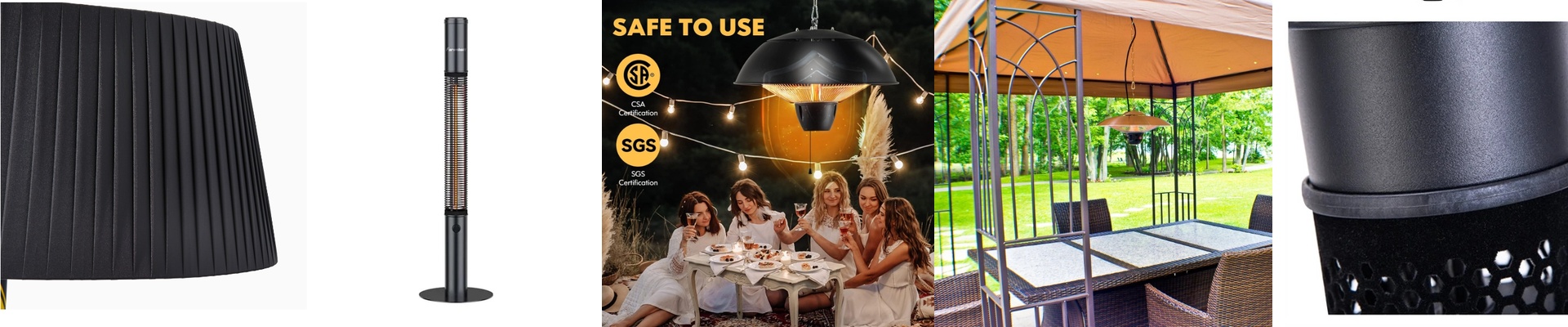
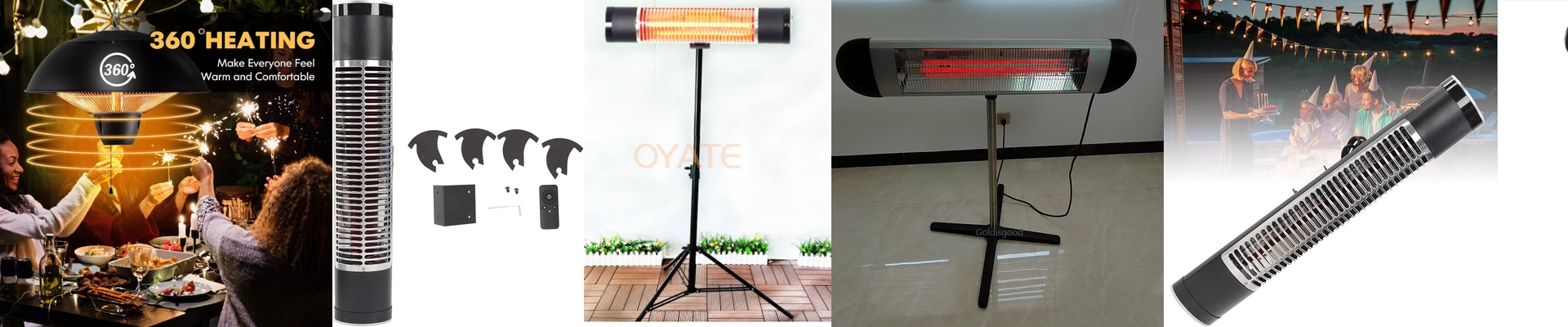
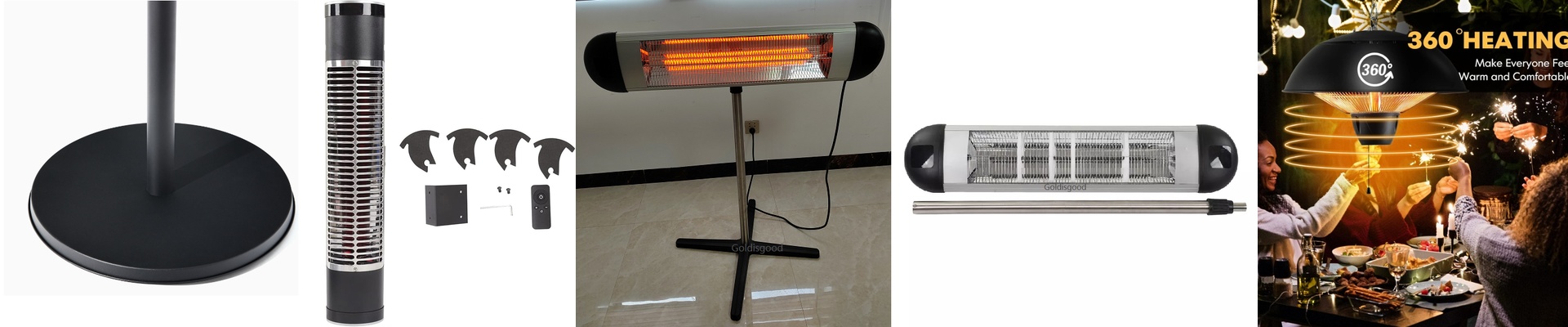
Now, there is a trade-off. These lamps are powerful. Really powerful. Because the heat is so intense, placement is everything. If you mount them too low or put them in a housing that can’t breathe, you’re asking for trouble. You could scorch your ceiling or keep triggering the safety cutoff. It’s all about finding that sweet spot—high enough to be safe, but positioned just right to dry out your shower before the mold even thinks about moving in.