



Getting Your Bathroom Heat Just Right
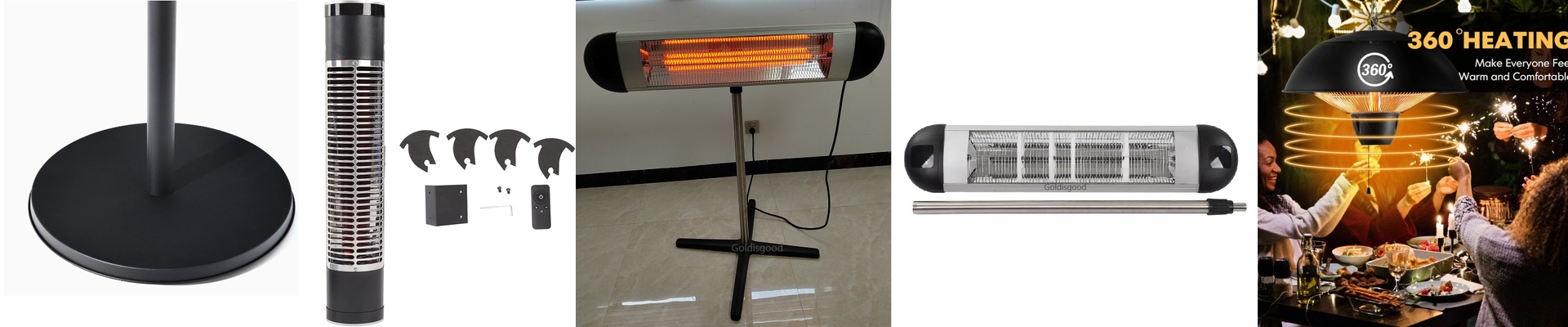
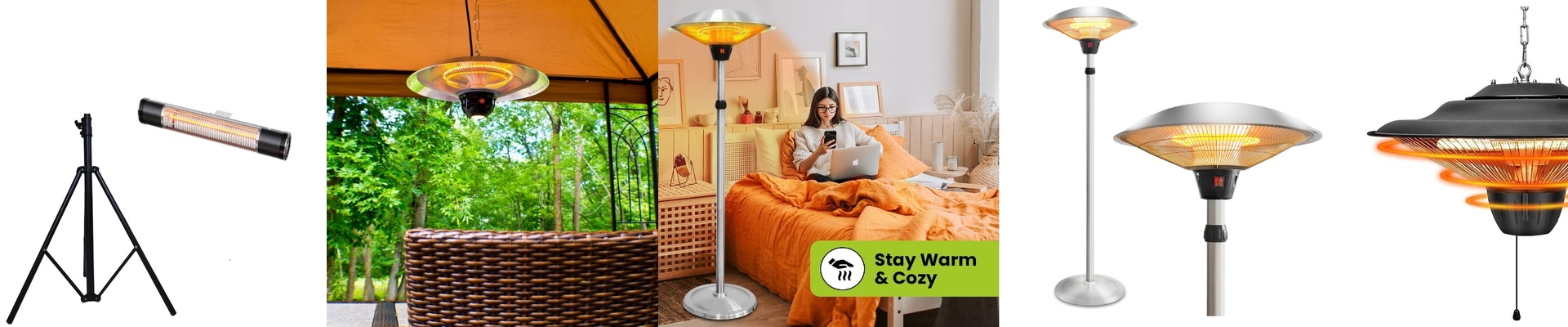
When you’re picking out a ceiling infrared heater for your bathroom, your first instinct might be to go for the biggest, most powerful one on the shelf. But here’s the thing: more power isn’t always better. It’s really all about the size of your room. If you go overboard, you’re just throwing money away on your electric bill and turning your bathroom into a sauna. Go too small? You’re still shivering while you dry off. Finding the sweet spot Think about your space. If you’ve got a tiny powder room (under 4m²), a small lamp—something around 250W to 400W—is plenty. It keeps things cozy without the thermostat freaking out and shutting off every two seconds. For those medium-sized bathrooms (4m² to 8m²), you’ll probably want to bump it up to 600W or 800W. Now, if you have a massive master bath with high ceilings, you’re looking at 1000W or more. Maybe even a few lamps spread out. High ceilings are tricky because heat likes to drift upward, so you need a bit more muscle to actually feel that warmth down where you’re standing. Don’t fight the physics Infrared is different. It doesn’t just warm up the air; it warms you and the surfaces around you. To get the most bang for your buck, put the lamp right over where you actually spend your time—like right in front of the vanity or next to the shower. I’ve seen way too many people cram a 1200W lamp into a tiny closet-sized bathroom. It leads to this annoying “short-cycling” where the heater clicks on and off constantly. It’s a great way to burn out your relays and kill the life of your lamp way faster than it should. A quick warning on your wiring High-wattage lamps feel great instantly, but they can be hard on your home’s electrical system. If you’re putting this into an older house with thin, old wiring, a 1200W load might just trip your breakers or cause your lights to flicker. It’s worth double-checking your circuit capacity before you start drilling holes. If your wiring looks a bit sketchy, try using two 400W lamps spaced apart instead of one big 800W unit. It spreads the load and usually keeps the electricians happy.