Making Your Outdoor Heaters Actually Smart
If you’re putting heaters outside, you’ve got to deal with the elements. Rain, wind, and dust don’t play nice with electronics. That’s why we stick with IP66-rated shells. Basically, it means you can hit them with a high-pressure hose or leave them in a downpour and you won’t have to worry about a short circuit ruining your night. It’s just common sense for anything living outdoors.
Why it feels like sunshine
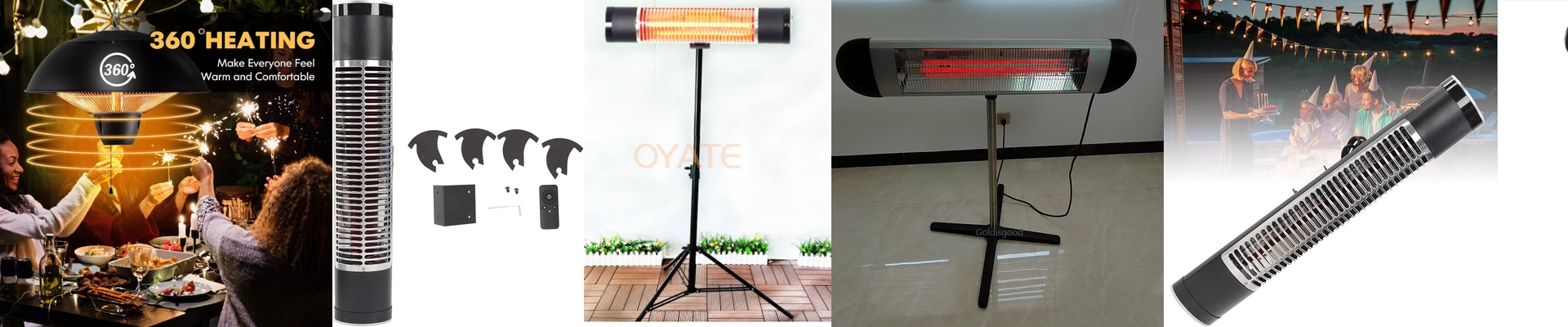
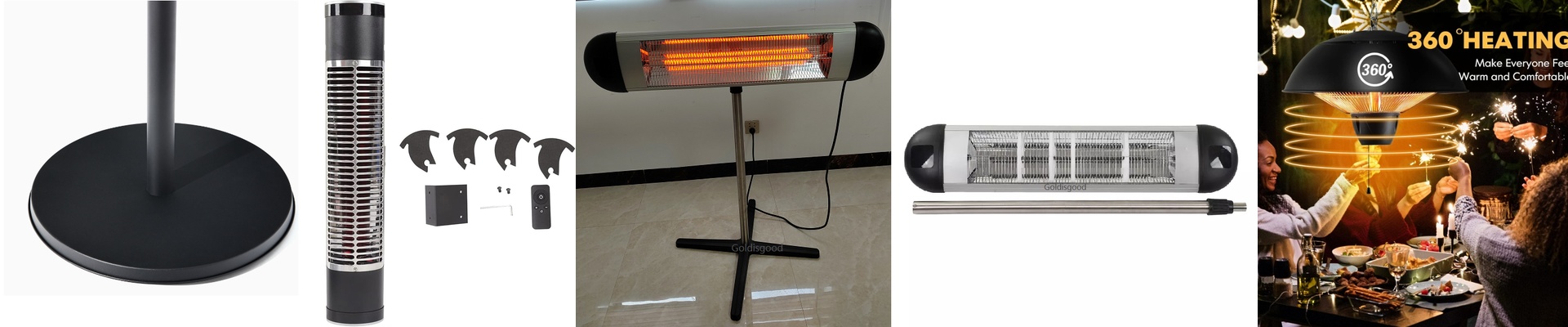
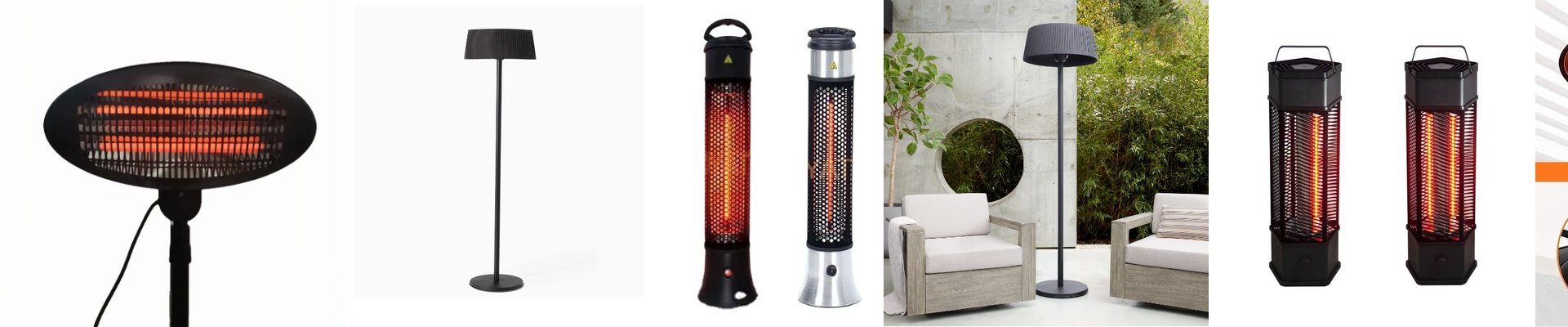
Most heaters try to warm up the air, which is a losing battle when there’s a breeze. Our infrared units are different. They go straight for the target—meaning you. We use short-wave emitters that hit their peak temperature in seconds. You hit a button on your phone, andboom. You aren’t waiting for the patio to “warm up.” You feel that hit of heat immediately. It’s the difference between shivering for twenty minutes and feeling like it’s spring in the middle of January.
Getting them to talk to your house
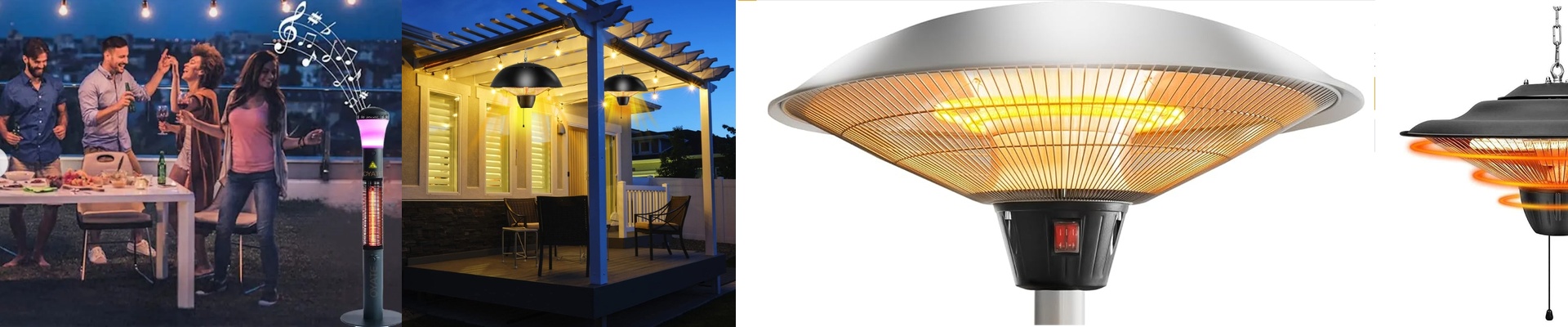
To make these “smart,” we just drop a WiFi or Zigbee relay into the power line. Once that’s in, you can hook everything up to your main hub. You can even set it up so the heat kicks in the moment a sensor sees you walk onto the deck. One tricky part is the power. High-wattage heaters can be hard on old electrical panels. To stop your breakers from tripping every time you want to be warm, we use PWM or stepped relays. It lets you dial the heat up or down smoothly instead of just slamming the power on.
The part most people forget
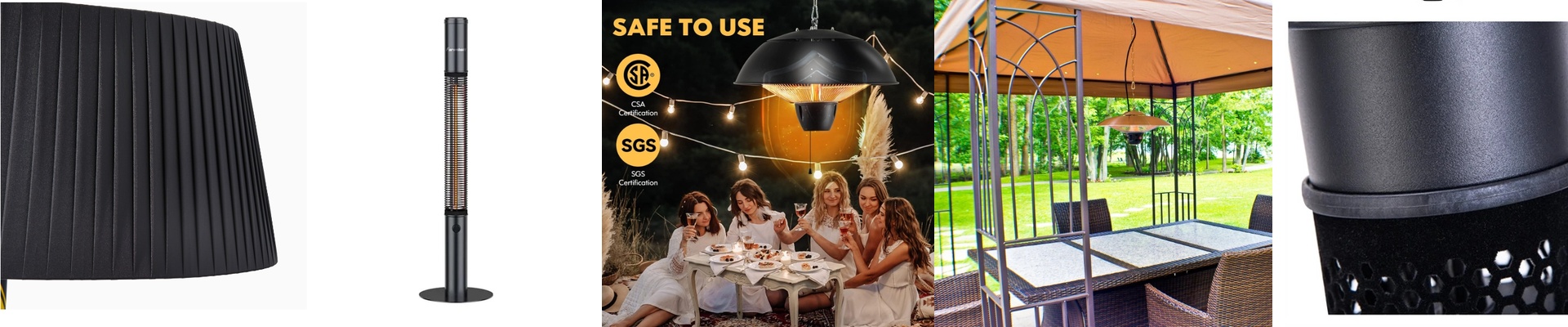
Here is the thing: those infrared tubes get incredibly hot. While the IP66 shell keeps the rain out, it also traps heat right where the wires connect. If you use cheap, standard wiring, the insulation will eventually melt. It doesn’t matter how waterproof your shell is if your wires are frying inside. We always use silicone or fiberglass braided cabling. It handles the heat. Use the right wires, or you’ll be replacing the whole system way sooner than you should.