
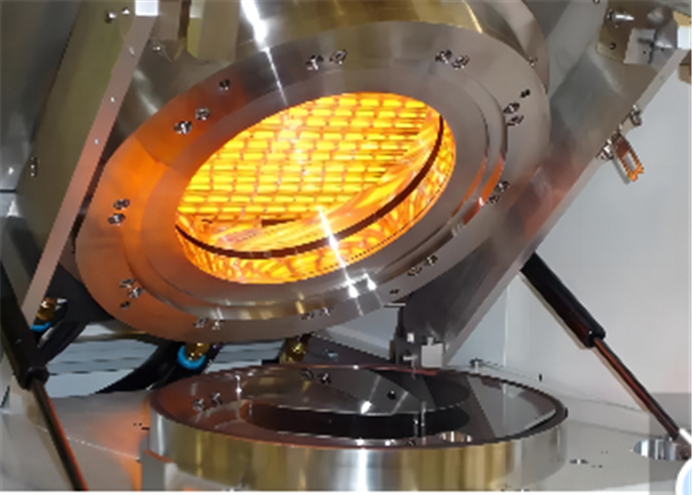
Stop Heating Your Machine and Start Heating Your Wafers
Ever touched the side of a drying chamber and practically felt your skin sizzle? That’s “heat soak.” It happens because most fab drying systems just blast heat everywhere. They pump energy into the chamber, and since that heat has nowhere to go, the internal walls and the chassis just soak it up like a sponge. It’s a waste of power, and honestly, it’s a safety nightmare for whoever has to work around the equipment. We figured out a better way: directional infrared (IR) heating. The trick is in where the energy goes. Instead of trying to heat up all the air in the room, directional IR lamps use electromagnetic radiation to hit the substrate directly. Think of it like a flashlight instead of a lightbulb. By using reflectors and specific wavelengths, we aim the heat exactly where it needs to be—on the wafers. The result? Your parts get the heat they need, but the cabinet walls stay cool to the touch. Keeping things safe (and compact) Now, you can’t just throw in the most powerful lamps you can find. You have to balance that power density with your cooling setup. High-wattage lamps get you up to temperature fast, but they can put a real strain on your power supply. We keep the “hot zone” tight. Because the heat is so focused, you don’t need those massive, bulky insulation layers on the walls. That means your machine takes up less space on the floor. The catch Look, this isn’t a magic wand. Directional heating is picky. If your lamp is off by just a few millimeters, you’re going to see uneven drying across the wafer. It’s frustrating. To make this work, your mounting brackets have to be rock-solid—no warping when things get hot. We also suggest using a closed-loop PID controller. It keeps things steady and stops the system from overshooting the temperature during that first heat-up phase. When you stop wasting energy on heating steel plates and empty air, everything gets better. Your power bill drops, and your operators aren’t dodging hot machinery.