
Making Your Bathroom Warm (Without the Wait)
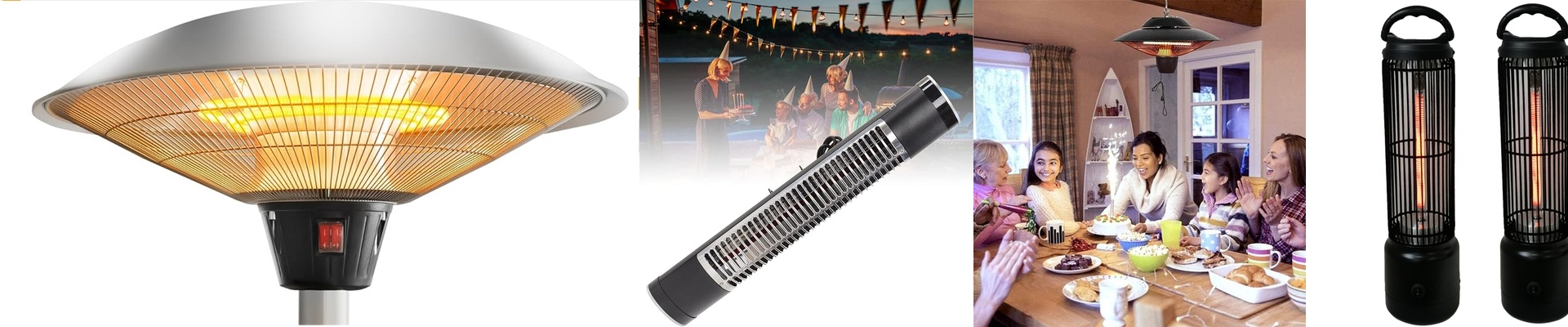
Ever stepped out of a hot shower into a bathroom that feels like a walk-in freezer? It’s the worst. Most heaters try to warm up the air, which takes forever. But infrared is different. It doesn’t mess with the air; it warms your skin and the walls directly. It feels more like standing in a patch of sunlight on a spring day. The real magic happens when you stop flipping manual switches and let a smart home setup do the heavy lifting. Whether you’re using Zigbee, Matter, or just standard Wi-Fi, you can basically turn your bathroom into a spa with one tap on your phone.
Heat, Right Now
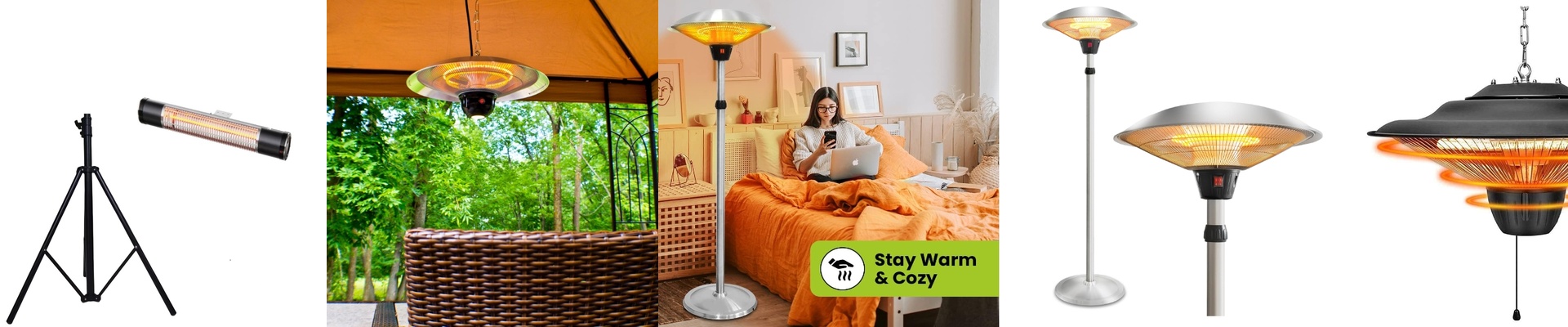
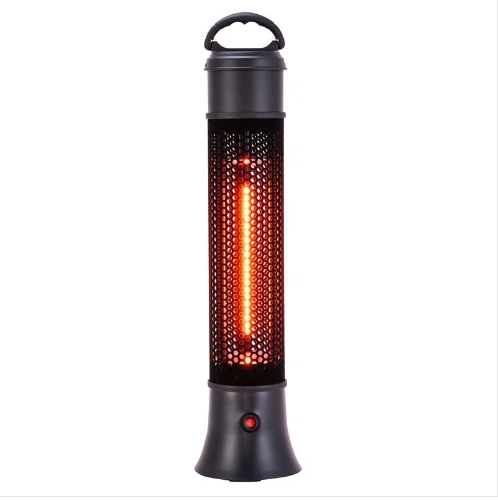
We use short-wave infrared lamps for this. Why? Because they’re fast. Unlike those clunky oil radiators that take an hour to get going, these things hit their peak temperature in seconds. You can set up a “Morning Scene” on your hub, and by the time you’ve walked from your bedroom to the bathroom, the relay has already clicked over and the quartz tube is glowing. No waiting. No shivering. Just instant warmth.
The Nitty-Gritty of the Setup
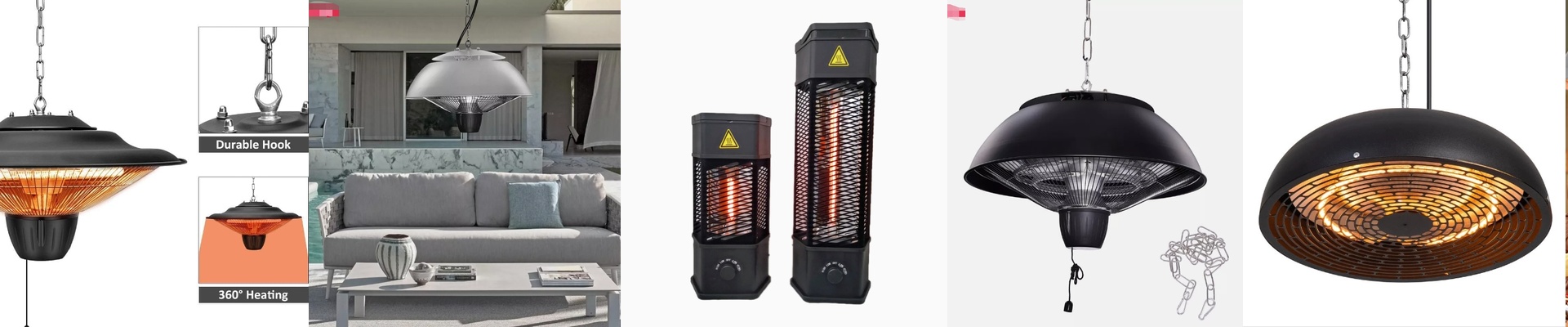
Here’s the thing: you can’t just plug these into a cheap smart plug and call it a day. These lamps are power-hungry—sometimes pulling up to 2500W. If you use a flimsy plug, you risk welding the contacts shut. We use heavy-duty smart relays designed for high loads to keep things safe. And since it’s a smart system, you can get creative. Throw in a motion sensor, and the heat kicks in the second you step inside. Pair that with a temperature probe, and the system will automatically kill the power once the room hits 24°C so you don’t accidentally turn your bathroom into a sauna.
A Few Things to Watch Out For
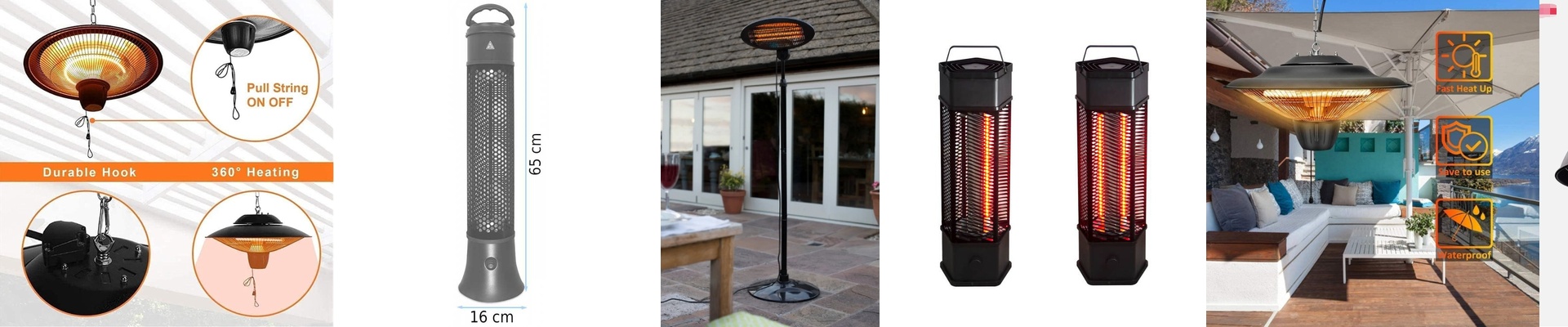
It’s not all plug-and-play. Short-wave infrared is intense. If the heater is too low or the housing is made of cheap plastic, things can get too hot—we’re talking scorching surfaces. You have to find the sweet spot between how much power you’re using and how high you mount the unit. A 2000W unit is great for a quick warm-up, but you’ll want a bit more ceiling clearance so you aren’t feeling a “burn” on your skin. If you want a gentle fade or a specific temperature rather than just a hard “on” or “off,” look into PWM controllers. They give you much finer control over the heat.