


How to actually warm up a damp room fast
If you’ve ever stepped into a freezing changing room, you know the feeling. It’s miserable. And if you try to fix it with a standard HVAC system, you’re basically trying to heat every single cubic inch of air before anyone actually feels warm. That takes forever. We do things differently. Instead of fighting the air, we use short-wave infrared. Think of it like the sun. It doesn’t warm the air around you; it hits you directly. You step in, and you feel the heat instantly. No waiting. No shivering.
Dealing with the damp
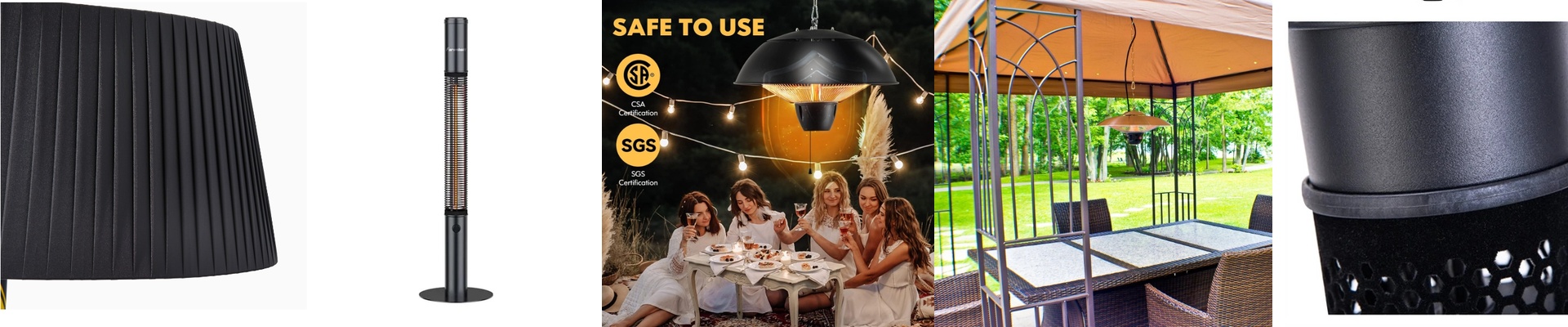
Changing rooms and patios are messy. You’ve got steam, splashes, and general humidity. That’s why we build these units to the IP55 standard. In plain English? It means the housing is sealed tight. Dust stays out, and if someone splashes water on it, the unit keeps running. If you put a basic heater in a wet zone, moisture eventually finds its way into the terminals and pops the circuit. Not a great look. Our seal keeps the guts of the machine dry and safe.
The magic of quartz
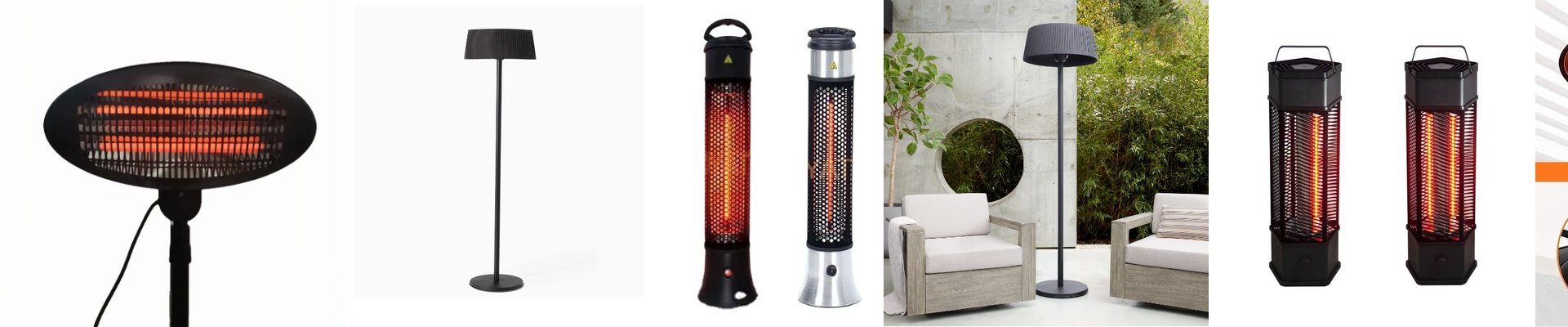
Inside these heaters is a quartz element. The cool thing about quartz is that it doesn’t need to “warm up”—it just happens. Unlike those clunky oil radiators that take twenty minutes to get going, infrared waves move energy through radiation. The moment you’re in the beam, you’re warm. We also angled the reflectors to push that heat straight down. There’s no point in wasting energy heating the ceiling when the people are on the floor.
A few things to keep in mind
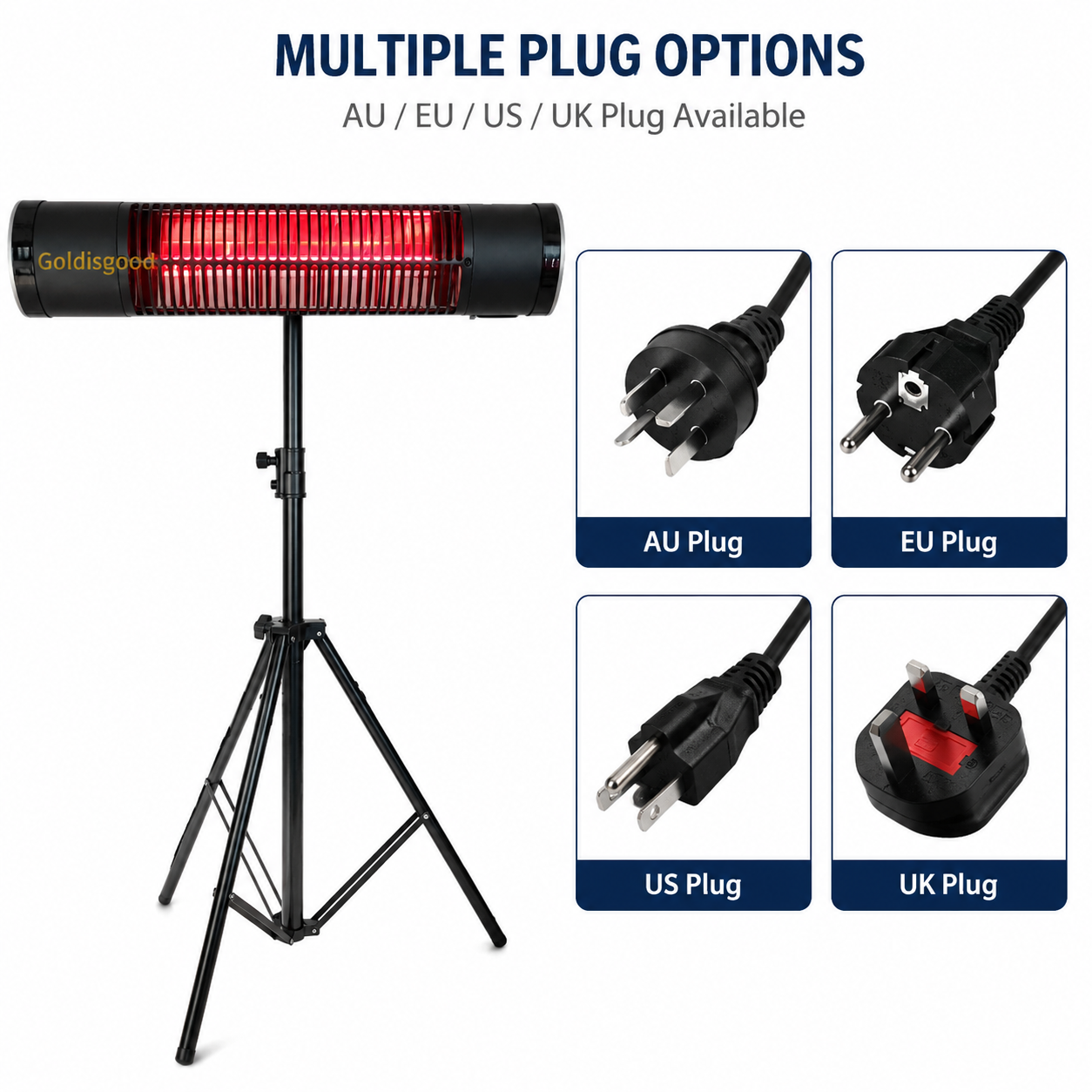
You’ll need a stable circuit for these. They pull a decent amount of current when they kick in, so make sure your wiring is up to the task. Also, a heads-up: because they pack so much heat into such a small space, the emitter getsreallyhot. Like, “don’t touch this” hot. Mount them high enough so nobody can accidentally reach up and burn themselves. These are built for high-traffic spots where you need heat now. Just remember, while they handle splashes and steam perfectly, they aren’t submarines. Don’t blast them directly with a high-pressure hose during a deep clean, and make sure your drains are clear so water doesn’t pool around the base.