Keeping People Warm in Damp Changing Rooms
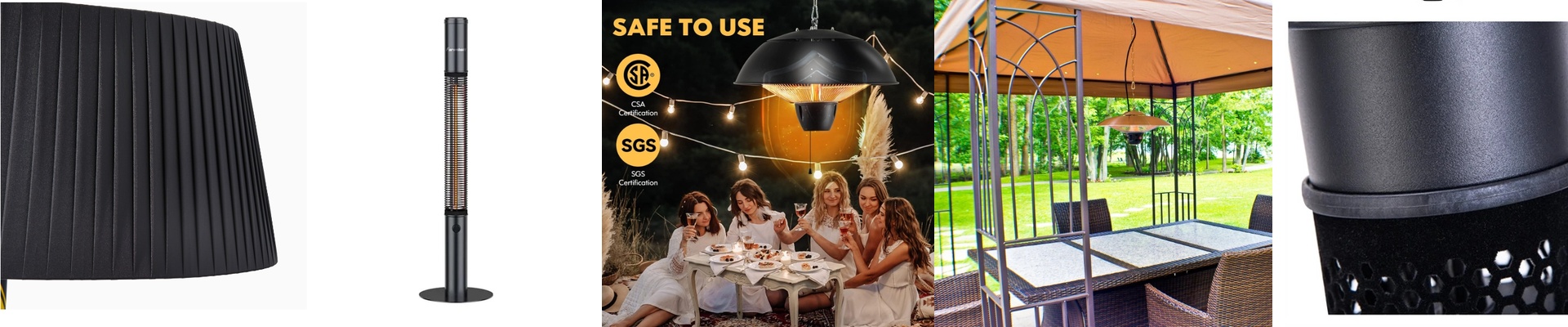
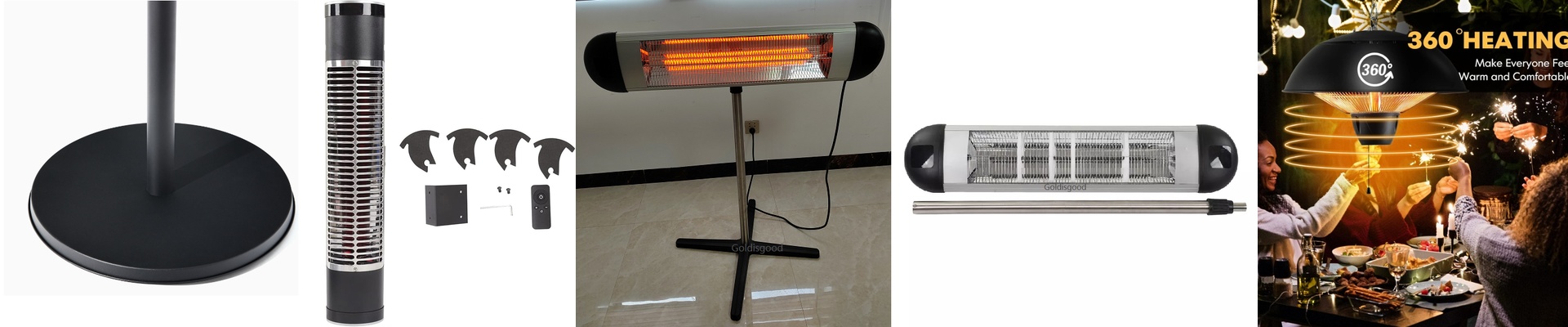
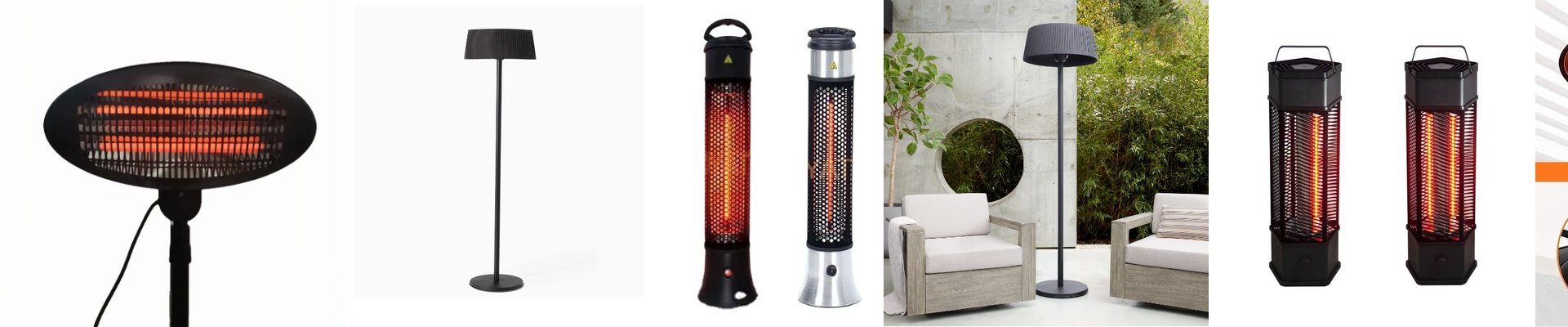
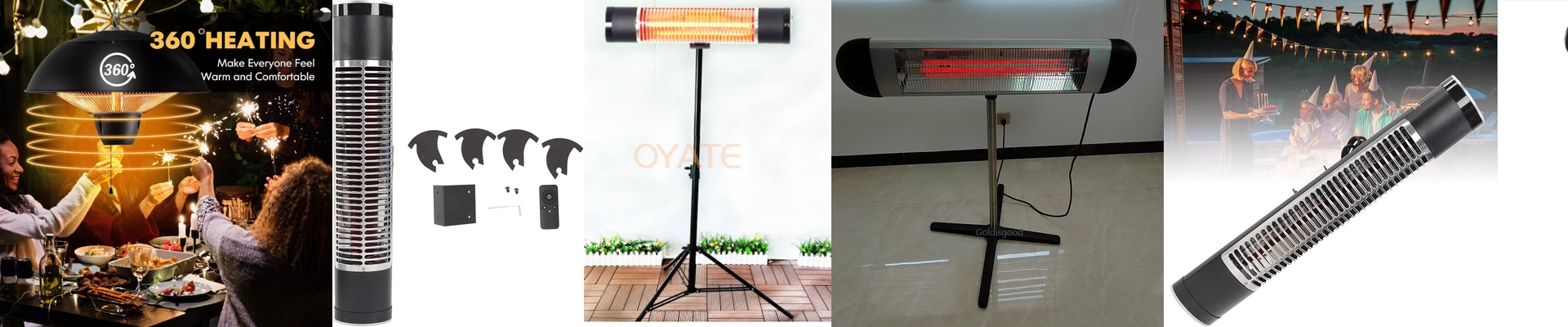
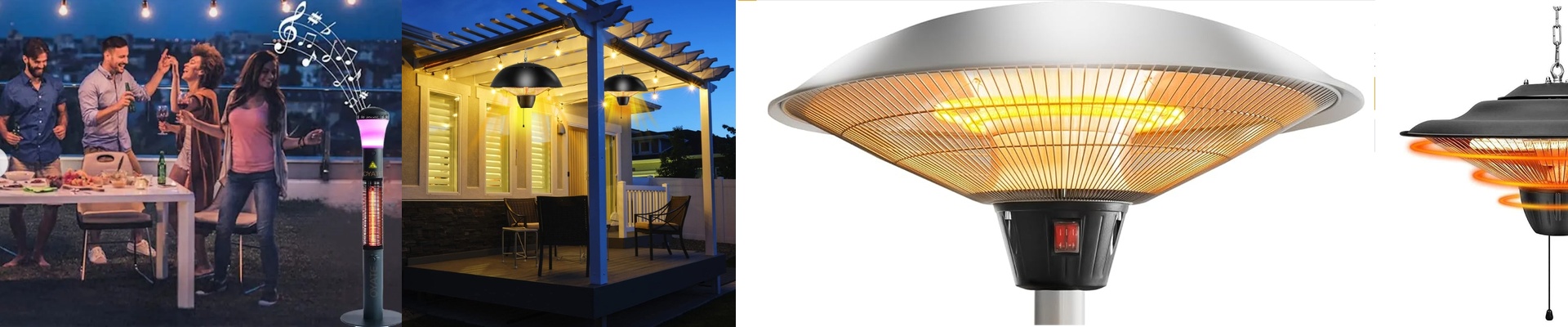
Nobody likes that shivering feeling when you step out of a shower into a cold changing area. It kills the mood. To fix this, we use shortwave infrared (IR) heaters. Here’s the secret: they don’t bother trying to warm up all the air in the room. Instead, they beam heat directly onto your skin and the surfaces around you. It’s like stepping into a patch of sunlight on a winter day. You feel it instantly.
How the heat actually works
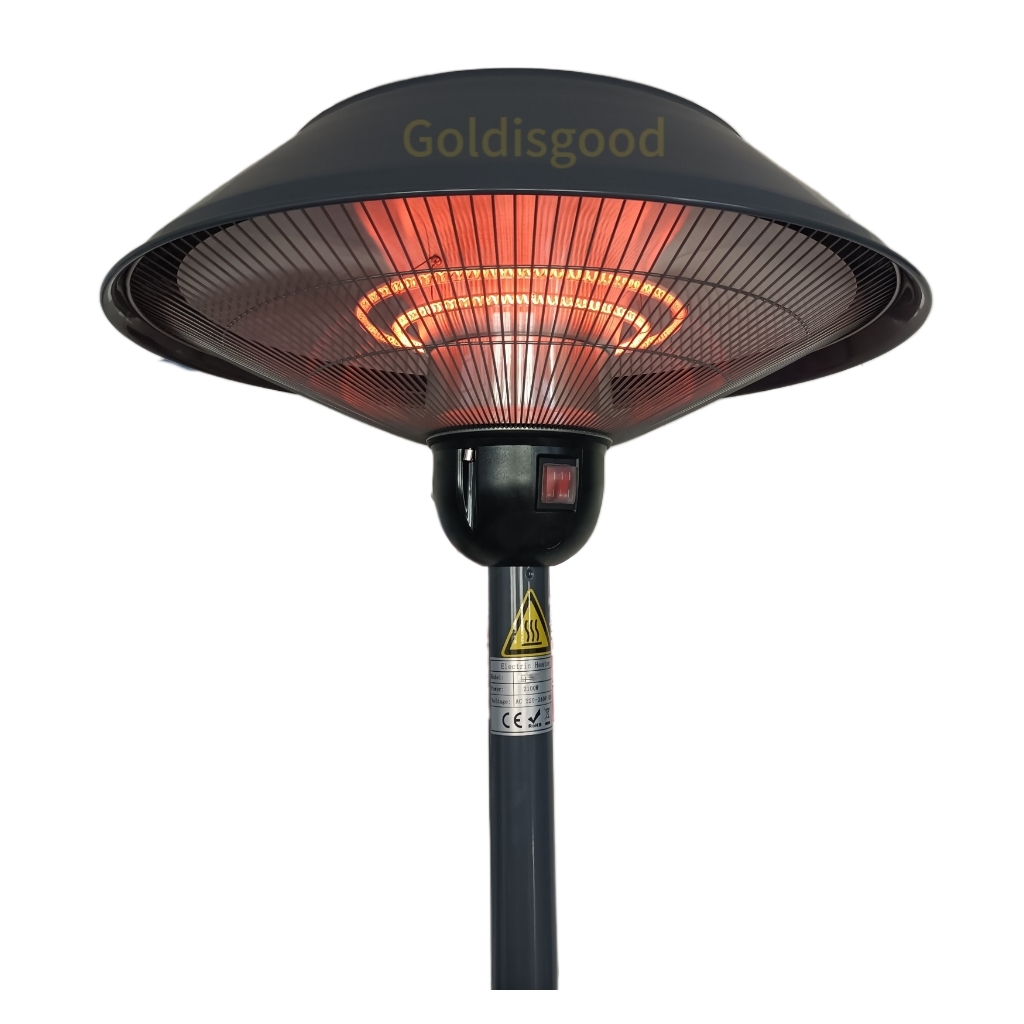
We use quartz halogen tubes for these. The “halogen” part is key because it keeps the glass clear, so the heat doesn’t get blocked by gunk building up inside the tube. Since it’s shortwave radiation, the heat sinks deeper into your body. We pack a lot of power into a small unit to get that “luxury hotel” level of warmth. It works even if the doors are wide open or there’s a draft blowing through the room.
Dealing with the water
Water and electricity are a nightmare pairing. To keep things safe, we seal every connection and use tempered quartz glass. This is important because the glass needs to handle the shock of being freezing cold and steaming hot at the same time without cracking. We also use IP-rated housings to keep steam and splashes away from the live wires. And the gaskets? We pick specific materials that won’t dry out or crumble after a few hundred heating and cooling cycles.
The “Catch” (and how to handle it)
It’s not all magic. There is one big trade-off:line-of-sight. If someone stands behind a curtain or a wall, they get zero heat. Period. You have to be really smart about where you place these units so you don’t end up with “cold zones” where people are still shivering. Then there’s the power. These lamps are hungry. If your wiring is too thin or your breakers are too weak, you’re going to trip the power right during the morning rush. My advice? Keep the wire runs short and use thick gauges. If your voltage drops, your heat disappears. Simple as that.