Making Your Outdoor Heaters Actually Smart
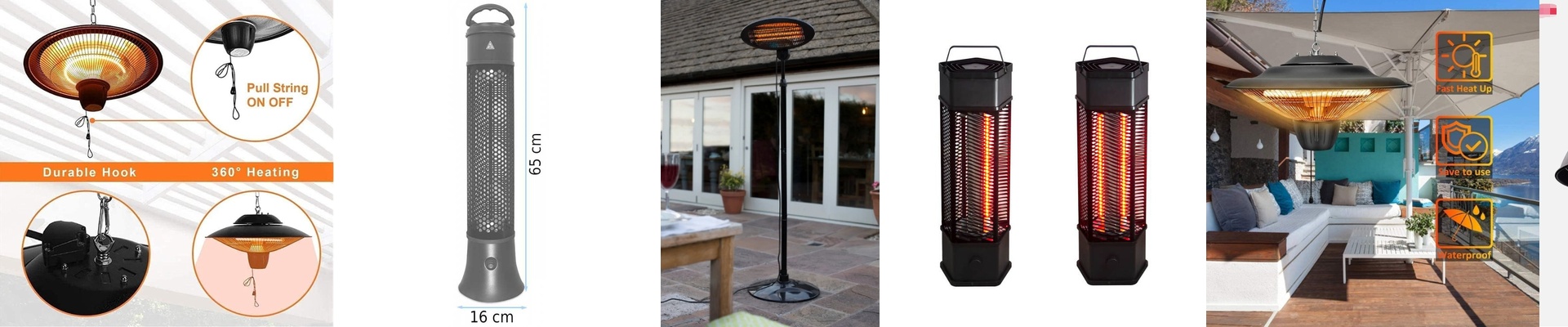
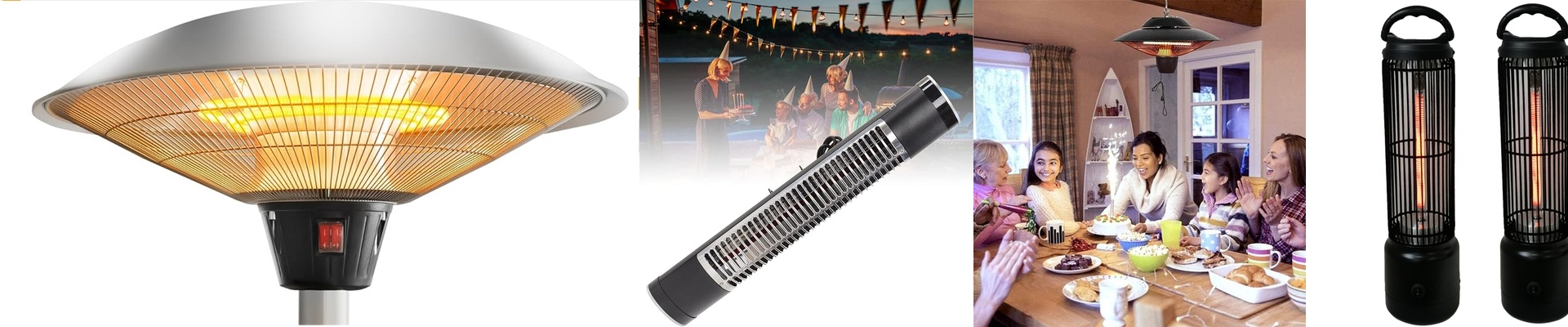
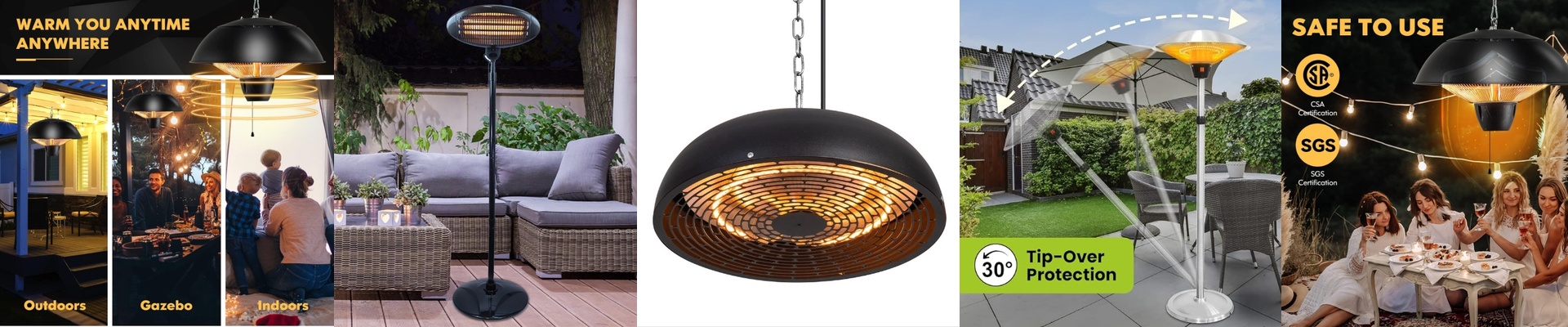
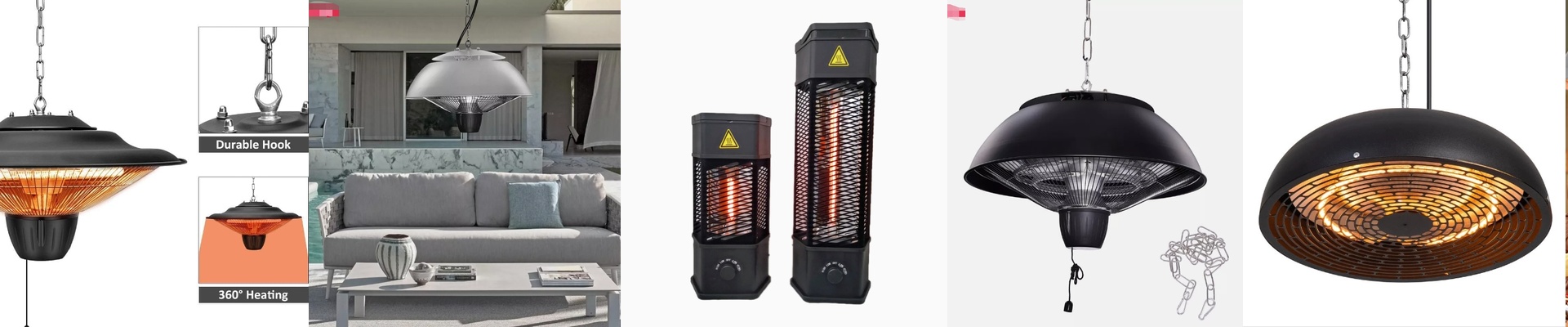
Let’s be honest: the outdoors is a nightmare for electronics. Between the rain, the dust, and the freezing wind, most gear just gives up. If you want to bring that “cozy patio” vibe into your smart home without everything short-circuiting, you have to get a few things right. That “Instant Warmth” Feeling We use short-wave infrared for this. Here’s the thing: most heaters try to warm up the air around you, which is a waste because the wind just blows that heat away. Infrared is different. It beams heat directly onto you and your guests. When you tap a button on your phone, the filaments glow almost instantly. No waiting twenty minutes for a radiator to wake up. It’s just… warm. Right now. How the “Smart” Part Actually Works You might think the heater itself is talking to your Wi-Fi, but it’s simpler than that. We use heavy-duty smart relays or Zigbee contactors. Basically, the heater is just a “dumb” machine, and the switch is the brains. But you can’t just use any cheap smart plug. These heaters pull a massive amount of power the second they kick on. If you use a flimsy relay, the contacts can literally weld themselves shut. We use the beefy stuff so you don’t have to worry about it. Plus, you can set it to be automatic. Toss a temperature sensor on your deck, and tell the system: “Hey, if it drops below 10°C, turn the heat on.” You don’t even have to think about it. Dealing with the Weather (and the Heat) You’ll see the term “IP65” a lot. In plain English, that means the housing is sealed tight against dust and can handle a direct blast of water. We wrap the guts in die-cast aluminum with silicone gaskets to keep the rain out. But there’s a catch. When you seal something that tight, the heat has nowhere to go. If you run a high-wattage heater for hours in a sealed box, you’re basically baking your own electronics. To stop that, we use heat-sinked mounting plates. They pull the heat away from the controller and dump it into the chassis, keeping everything cool. A Few Pro Tips for Installation Don’t cut corners on the wiring. Use high-temp cables. If you use standard PVC jackets and they touch the heater housing, they’ll melt. It’s not pretty and it’s definitely not safe. And please, check your circuit breaker. A few 2000W heaters running at once will trip a standard 16A home circuit in a heartbeat. Make sure your electrical panel can actually handle the load before you flip the switch.