
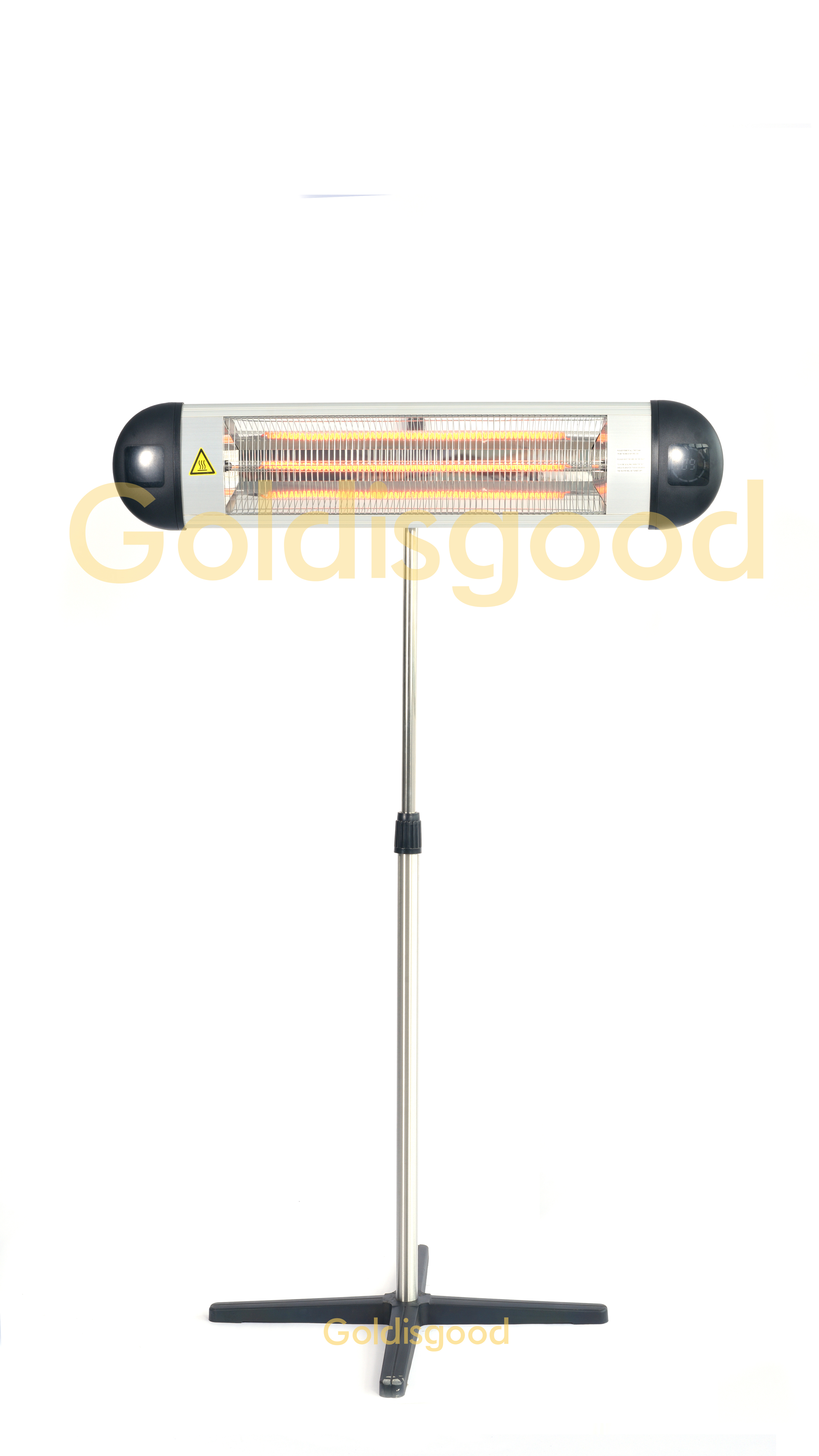
Step inside a municipal workshop or public service hall on a winter morning and you feel the budget pressure before you even feel the cold. These are spaces built for utility, not insulation, and they’re expensive to heat. When the main heating system struggles, productivity dips, equipment gets cranky, and the utility meter spins out of control. For public works crews, the real question is straightforward: how do you keep people warm without wrecking the annual heating budget?
What matters, technically
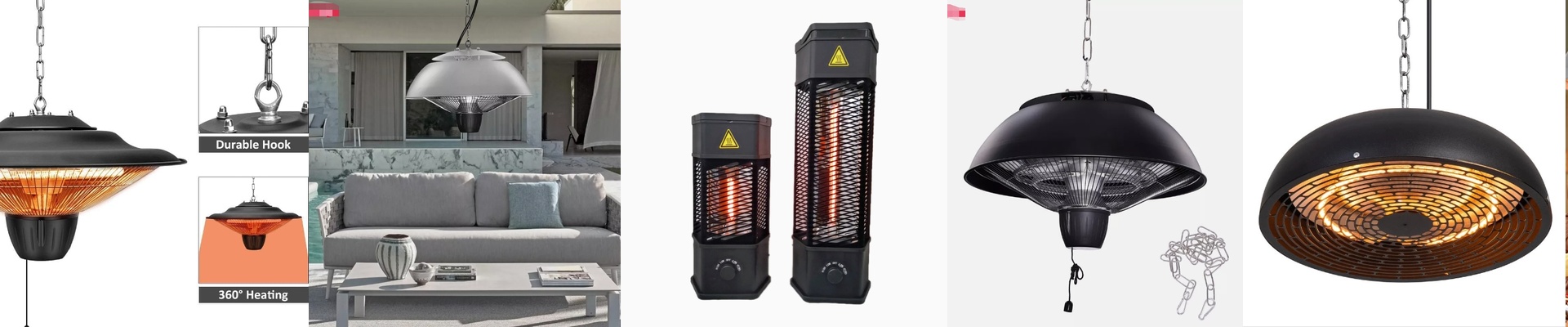
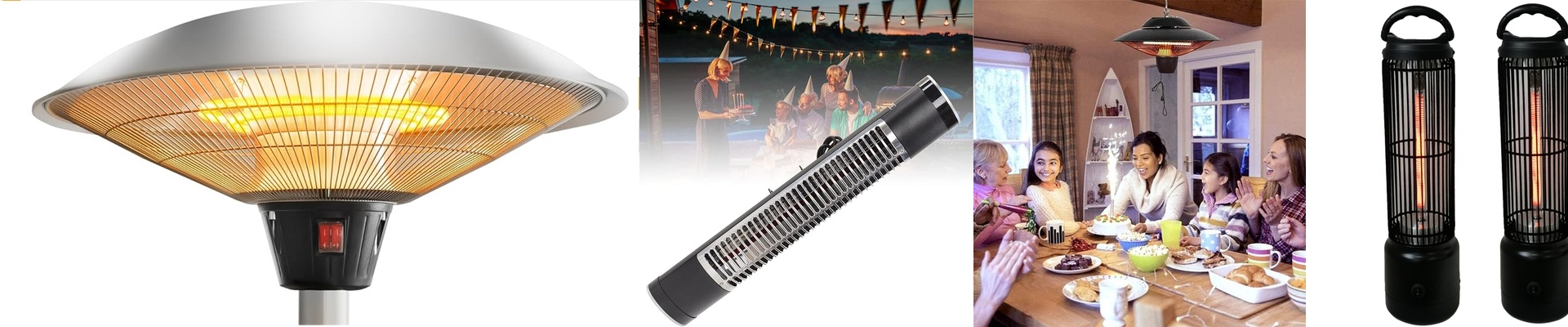
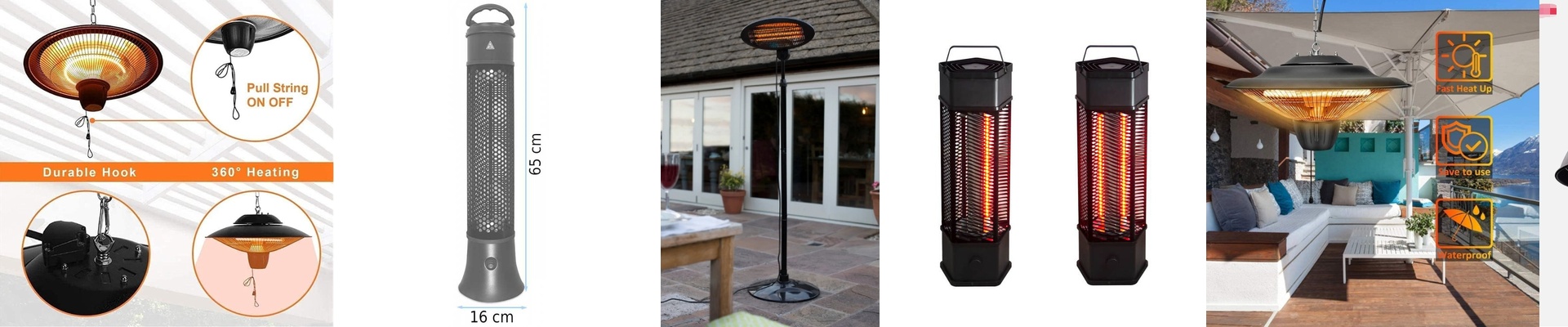
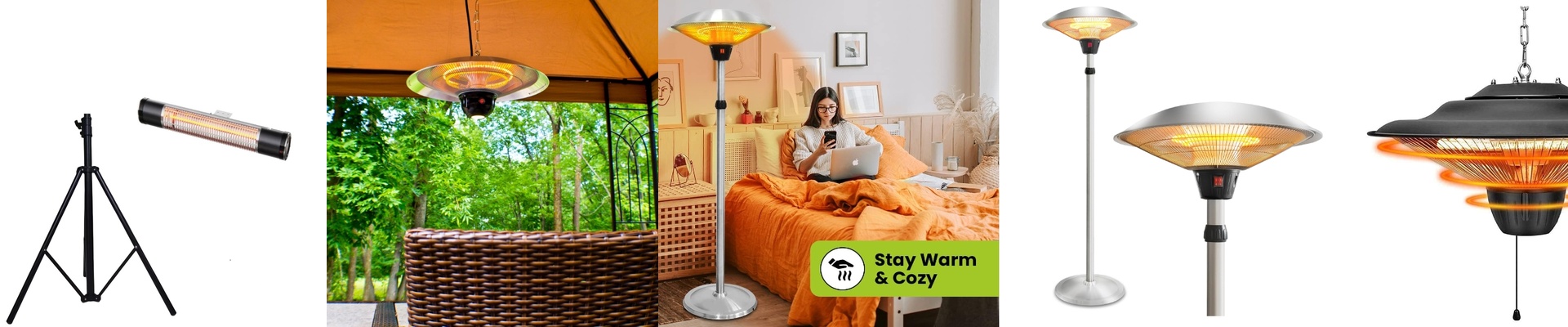
We design greenhouse electric heaters around infrared technology for a simple reason: heat that moves through the air is heat you pay for twice. Infrared warmth works like sunlight—direct, line-of-sight, and immediate. Most units run on standard 240V, so they plug into existing electrical work without costly upgrades. Inside, a quartz tube or carbon fiber element turns electricity into radiant heat, and a reflector directs it where you need it. Many models come with an adjustable thermostat and tip-over protection, and units with an IP rating are built for damp or drafty spots. In practice, you get warmth in seconds, not minutes, and you stop wasting energy heating empty air.
Why it works in these spaces
Municipal buildings usually have high ceilings, wide doorways, and constant foot traffic. Forced-air systems lose heat every time a door opens. Infrared electric heaters warm the people, tools, and plants in their path, so the space feels comfortable even when the air temperature is lower. That direct heating profile lets you run a lower overall temperature while keeping workstations comfortable, which directly cuts kWh use. In greenhouses and workshops, that also means fewer temperature swings—seedlings and cuttings stay steady, and equipment isn’t battling condensation. Over a winter, the savings show up as a lower monthly bill and fewer service calls.
The practical details you need
Infrared heat performs best when it has a clear target. Mount heaters where people stand, work, or tend plants, and don’t put them where beams, shelves, or equipment block the beam. For solid results, match the wattage to the area and use multiple units for even coverage. Because infrared warms surfaces directly, you may notice cooler air between zones—this is normal, and it’s exactly why placement matters. On the plus side, electric infrared heaters need no fuel storage, no flue, and minimal maintenance beyond keeping the reflector clean and checking the power connection.