
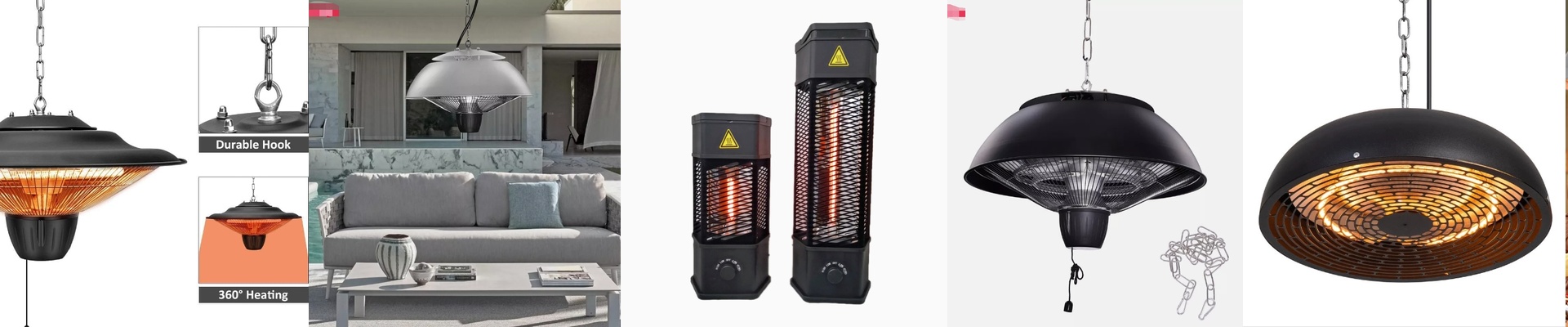
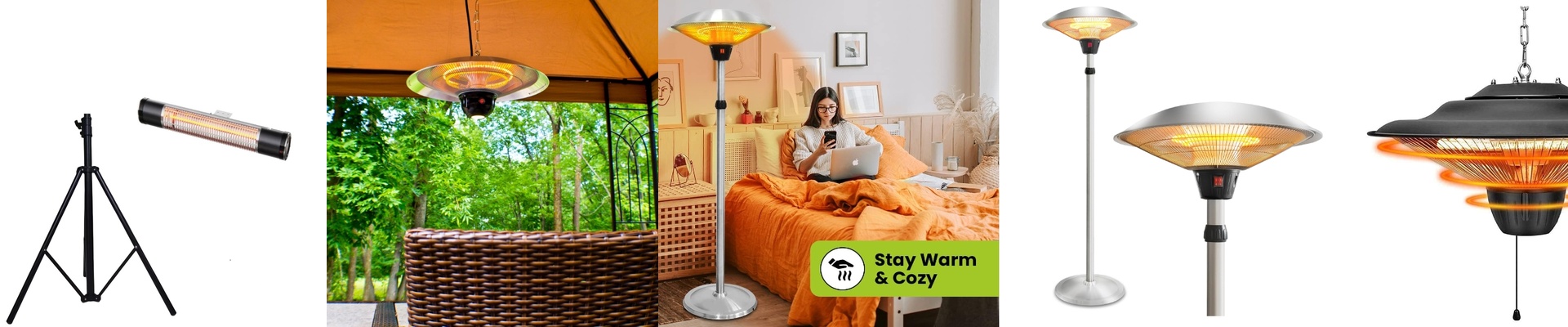
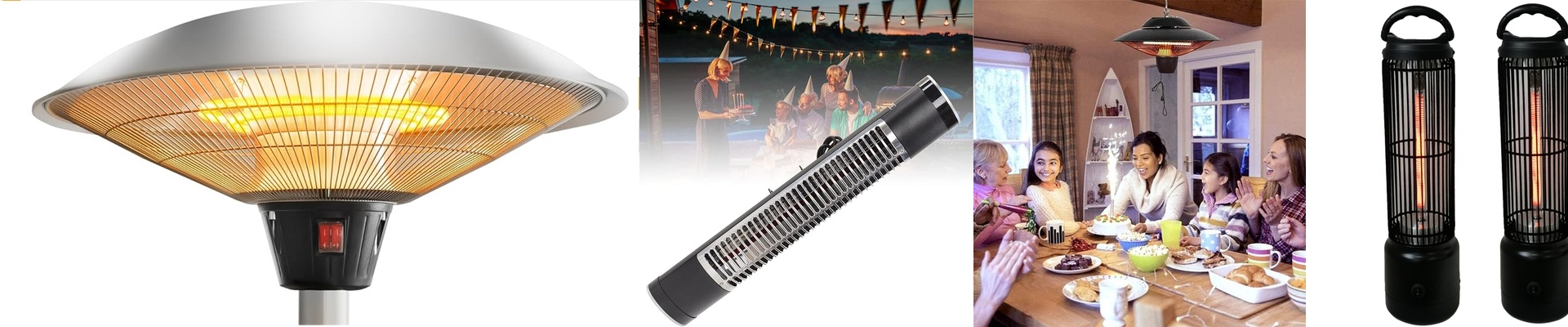
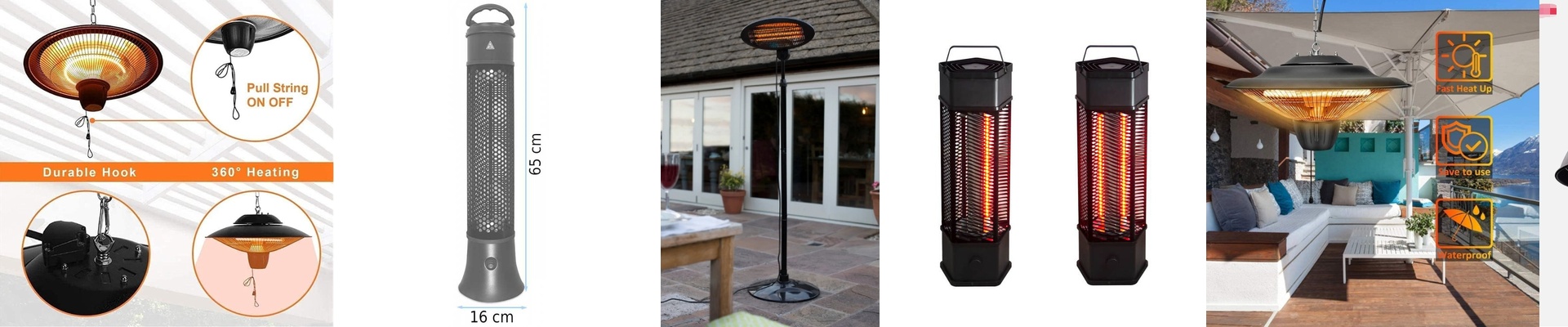
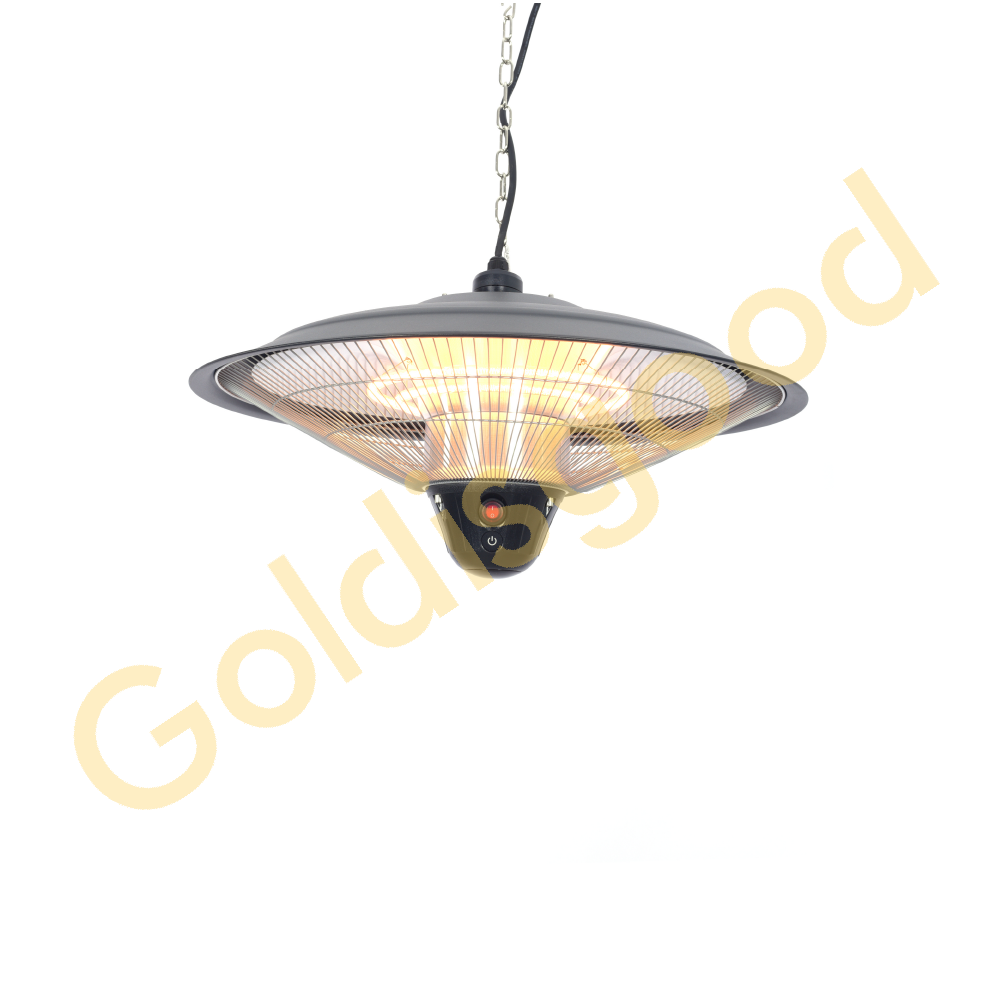
Dust on the reflector and grime on the element aren’t just cosmetic. They quietly drive up your energy bill. An oscillating infrared space heater delivers warmth by radiating directly onto people and objects, so any film on the surfaces scatters the beam and forces the unit to run longer to keep you comfortable. The payoff: slower warm-up, patchy coverage, and more kilowatt-hours burned. What matters technically We build these around a focused infrared element—typically a quartz tube or a carbon fiber strip—mated to a wide-angle oscillating base. The oscillation spreads radiant heat across a room without moving air, so you get fewer drafts while the core temperature stays steady. A built-in thermostat holds the set point, and tip-over protection cuts power the instant the unit is knocked off-level. Many models are rated for indoor use, and some are specced for covered outdoor spots. Match the IP rating to the environment. Here’s the thing: daily upkeep is the simplest performance upgrade you can make. Keep the front glass and reflector clean, and you preserve the beam’s intensity. The heater hits target temperature faster and holds it more consistently. That translates to less run time, lower operating cost, and quieter performance. Regular care also spares the element from hot spots and overheat cycles, extending service life and keeping the oscillating motion smooth. Clean only when the unit is off and fully cooled, with a soft cloth and mild cleaner. Avoid solvents that can cloud quartz or degrade plastic housings. Don’t block the oscillating path, and don’t place the heater where the base can collect leaves, dust, or moisture. For covered patios, pick a heater rated for damp locations and plug it into a grounded outlet on a dedicated circuit. If you notice output dimming or the oscillation getting inconsistent, check the pivot for debris and inspect the power cord for damage before you call for service.