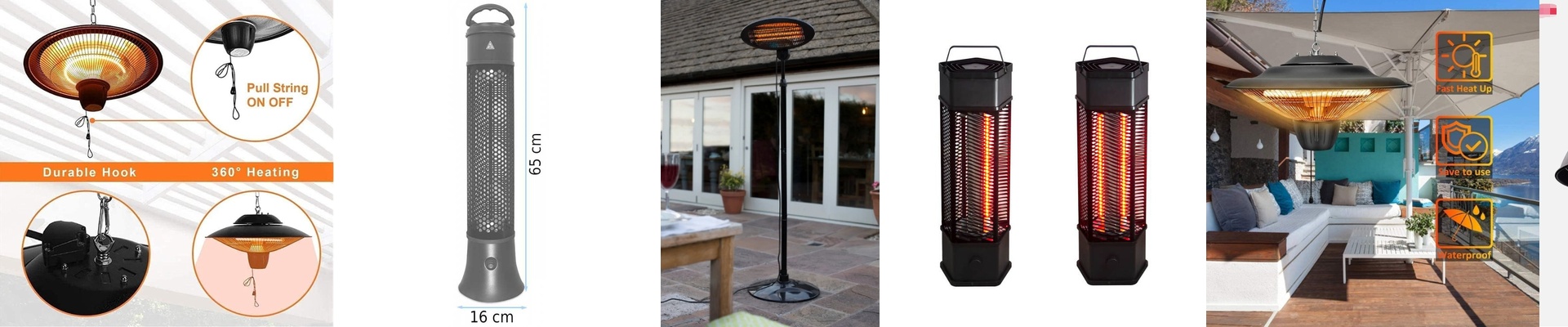
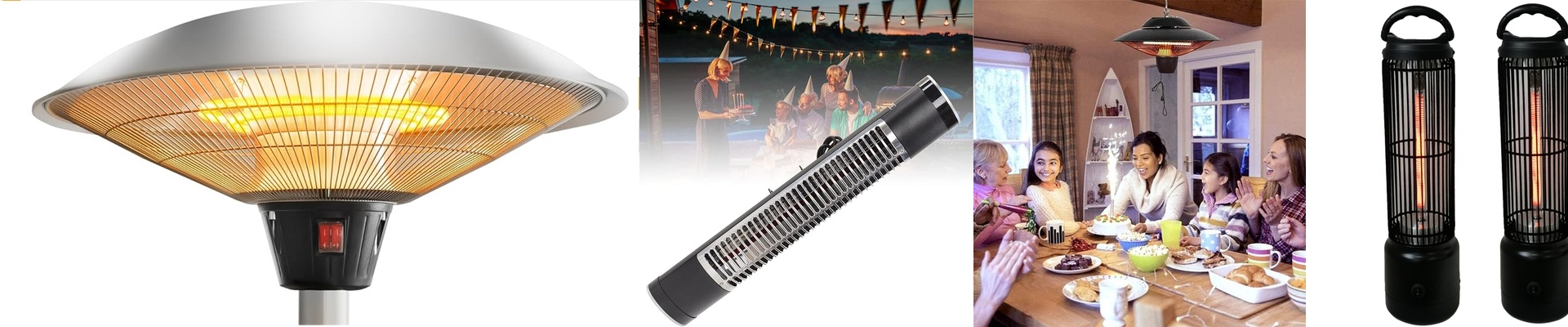
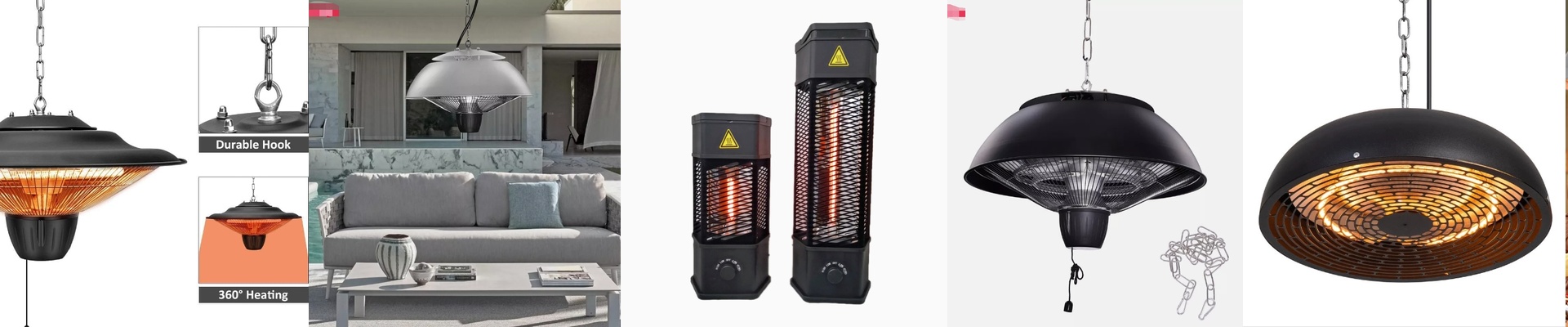
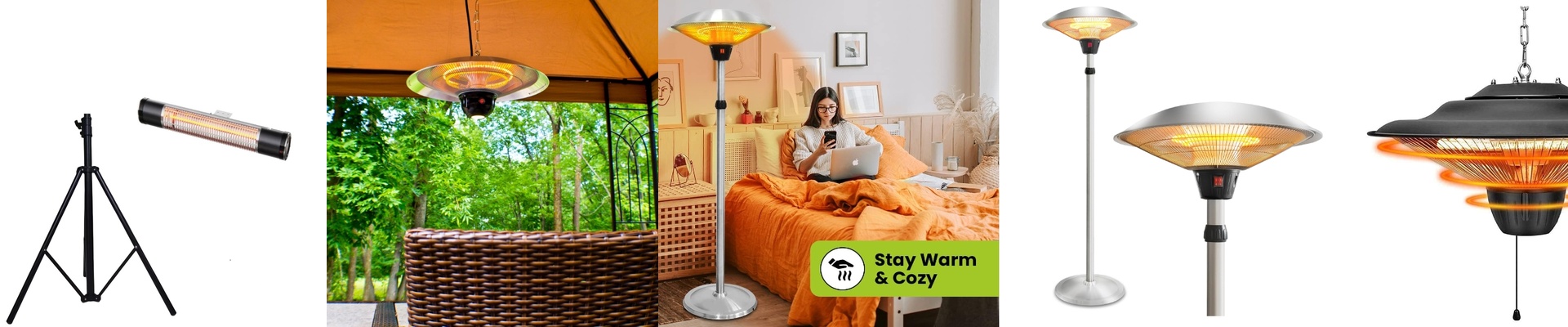

How to actually pick the right recessed heater for your bathroom
Most people think heating a bathroom is simple: just put a heater in the ceiling and flip a switch. But if you’ve ever stepped out of a shower into a room that still feels like a refrigerator—or conversely, felt like you were standing under a heat lamp at a buffet—you know it’s not that easy. The trick with recessed infrared heaters is that they don’t bother warming up all the air in the room. Instead, they beam heat directly onto you. It’s a much smarter way to do things, but only if you get the power right.
Don’t overdo the wattage
I see this all the time: someone drops a massive 1200W unit into a tiny powder room. It seems like a good idea—more power, right? Wrong. When the heater is too strong for the space, it kicks on and off constantly. That rapid cycling wears out the heating element way faster than it should. If your bathroom is small (under 4 square meters), a 400W to 600W lamp is usually plenty. For those big master baths, you’ll probably want something in the 800W to 1200W range to keep things cozy. Get it wrong, and you’re stuck. Too little power and you’ll still feel that annoying chill. Too much, and you’ll have “hot spots” that make the room feel uneven and uncomfortable.
The ceiling height factor
Here’s the thing: infrared heat travels in a straight line. Because of that, the distance from the ceiling to the floor really matters. If you have high ceilings, the heat has further to travel and the beam spreads out more. You’ll need a higher wattage just to make sure the warmth actually reaches you by the time it hits the floor. One quick tip: if you’re going for a high-wattage unit, double-check your wiring. A 1200W heater pulls a lot of current. If your wires are too thin, you’ll lose power along the way, and your “powerful” heater will end up feeling lukewarm.
Speed vs. your electric bill
A 1000W lamp is fast. Like, “instant warmth” fast. But that speed comes with a trade-off. Blasting the unit at full power puts a lot of stress on the quartz glass. Plus, if you’re just using a manual on/off switch, it’s easy to accidentally overheat the whole room. That’s just throwing money away on your electric bill. The smartest move? Pair your heater with a timer or a thermostat. You get the warmth you want without turning your bathroom into a sauna or burning through your budget.