
Why you should stop using those old bathroom heat lamps
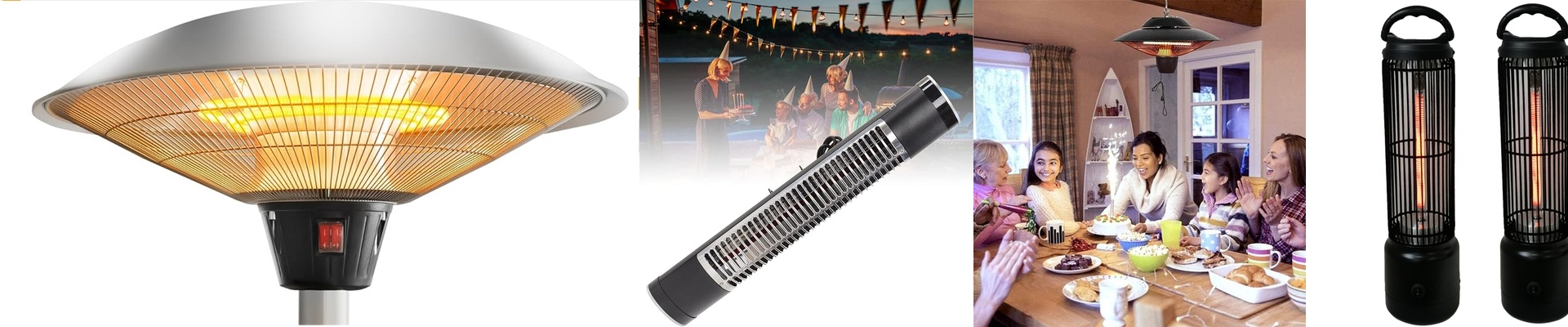
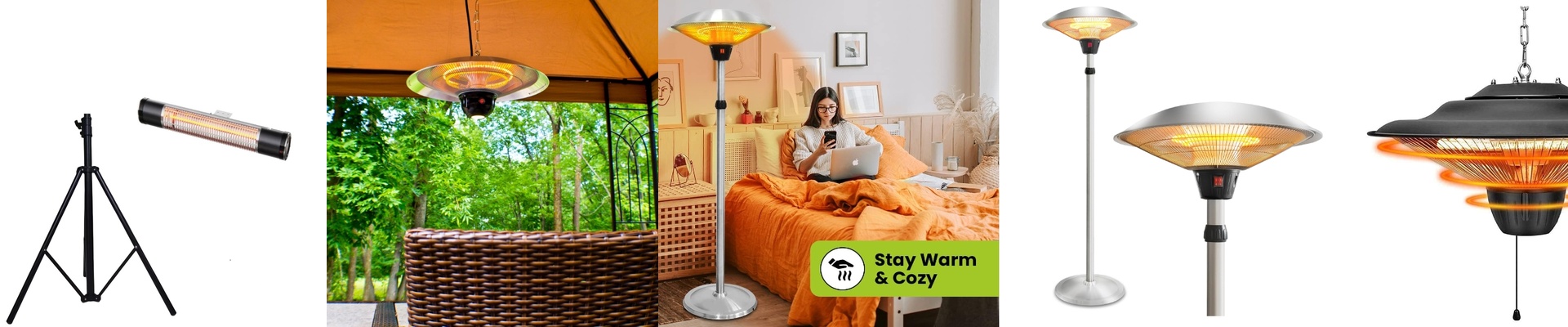
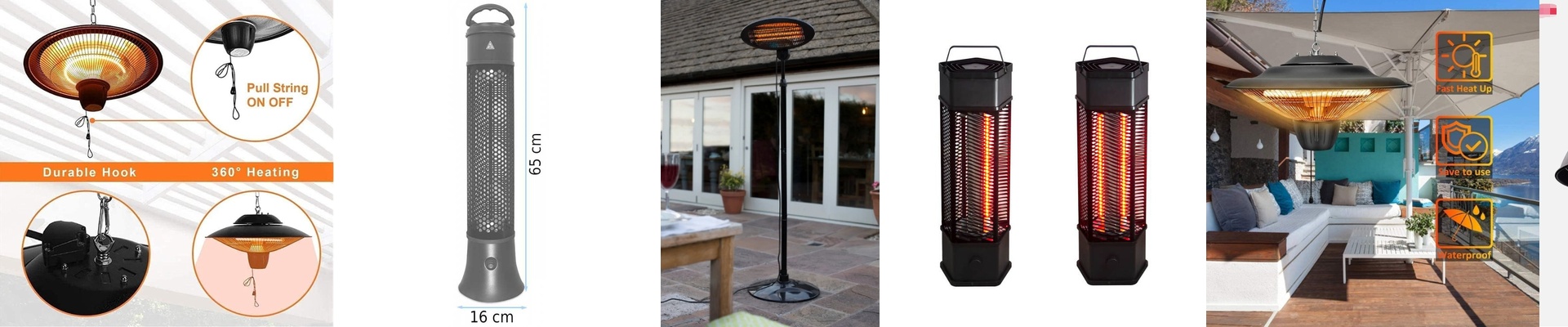
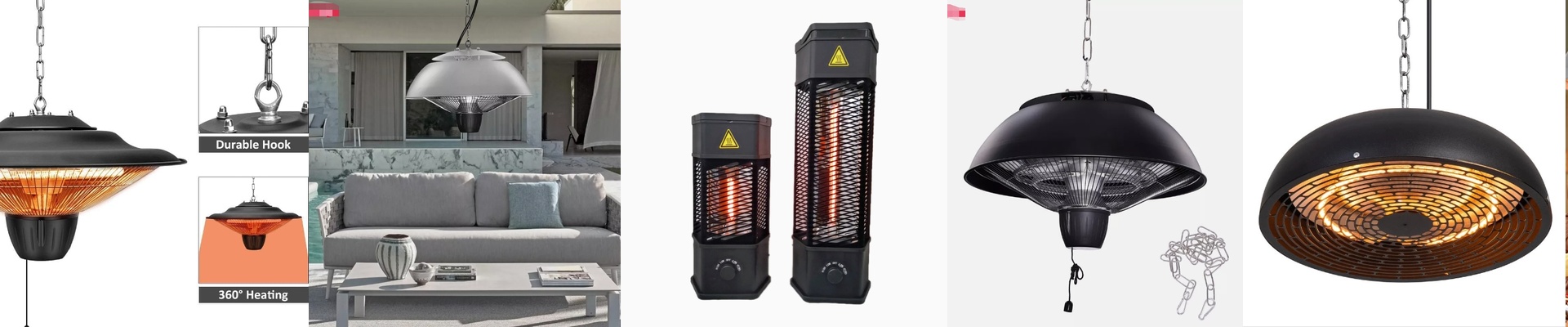
Let’s be honest: most of those old-school bathroom heaters are pretty flimsy. They’re basically just heat lamps with a thin layer of protection. But bathrooms are wet, steamy places. When you mix moisture with cheap seals, things break. Fast. That’s why we’re seeing everyone move toward high-IP waterproof infrared heaters. It just makes sense for the environment. The deal with the “IP Rating” If you’ve ever had a heater flicker out or short circuit, it’s probably because steam leaked through a bad gasket or a gap in the wiring. It happens all the time. High-IP heaters are built differently. They use sealed quartz envelopes and housings that actually keep the water out. We make sure the steam and direct sprays stay far away from the electrical parts. Why? Because once a seal fails, the whole thing is trash. A good seal keeps the internals from rusting or oxidizing, which means you aren’t replacing the unit every couple of years. Instant warmth vs. waiting around Most heaters try to warm up the air in the room. The problem is, the second you open the door to leave, all that warm air vanishes. Infrared is a different beast. Instead of fighting the cold air, it sends out waves that heat your skin and the surfaces around you directly. You feel it the moment you flip the switch. No waiting. No shivering. Plus, since you aren’t trying to heat the walls and the ceiling, it’s way easier on your electric bill. A few things to watch out for Before you go buying one, there’s a catch. You can’t just plug a high-wattage array into a random wall outlet. You’ll need a dedicated circuit. I really recommend checking your breaker capacity before you start wiring things into your ceiling. Also, these things are powerful. If you mount a high-density unit too low, you’re going to end up with “hot spots” that feel a bit too intense. Just make sure your ceiling height gives the heat enough room to spread out before it hits you. Yeah, they cost a bit more upfront. But it beats the annoyance of swapping out burnt-out bulbs every six months.