
Why We Switched to IR Curing for Semiconductor Drying
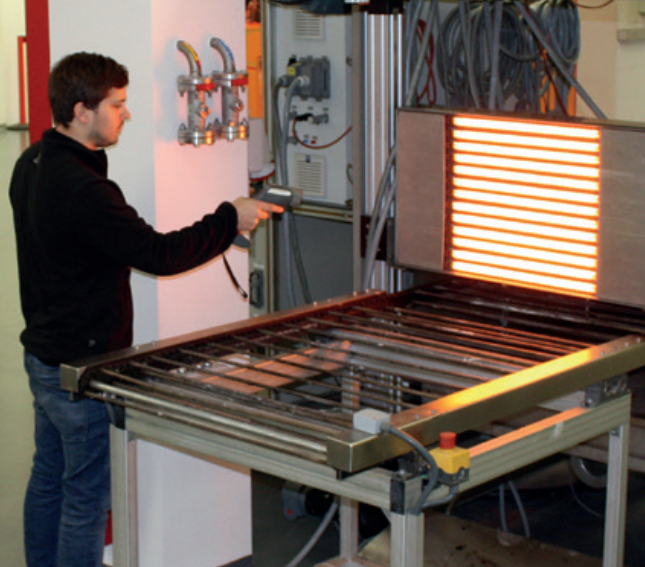
Going lead-free in semiconductor fab isn’t as simple as just swapping out the solder. It actually forces you to rethink how you handle heat. For a long time, everyone just used convection ovens. But here’s the problem: you’re basically heating up a massive room full of air just to dry a tiny piece of hardware. It’s a waste of power, and honestly, it’s a great way to accidentally blow dust and contaminants all over your work. That’s why we moved to infrared (IR) curing. Instead of heating the air, we go straight for the substrate. Direct heat beats hot air Think of it like the difference between standing in a sauna and feeling the sun on your skin. IR uses electromagnetic radiation to get the molecules in the coating or adhesive moving. It happens almost instantly. You don’t have to wait for the air to warm up, which means your ramp-up times plummet. Plus, you aren’t spending three hours heating the metal walls of a giant box. Your energy bill will thank you. Handling the “Green” requirements Lead-free materials are picky. They usually need higher temperatures to cure properly. If you try to force a convection oven to hit those numbers, you run into trouble. You might warp the board or accidentally cook the edges. IR is different because we can actually “zone” the heat. We tune the wavelength to match the specific resin we’re using. The result? The core gets exactly the heat it needs, but the surrounding components stay safe. No overheating, no weird chemicals floating in the air—just a clean, dry process. The catch (because there’s always one) Now, fast curing isn’t a magic bullet. If you aren’t careful, the high heat density can cause “skinning.” That’s when the top layer dries too fast and traps solvents underneath, leading to bubbles or peeling. It’s a balancing act. If your conveyor moves too slow, you’ll burn the substrate. Too fast, and it won’t cure. To keep things from going sideways, we use high-precision thermocouples to watch the surface temperature in real-time. It’s a simple feedback loop that stops the heat from overshooting. In an industry where a fraction of a millimeter matters, that kind of control is everything.