
Winter rolls in, and the utility meter on that municipal building starts climbing fast. The old forced-air system kicks on and just sits there, pushing heat into empty hallways and high ceilings long before anyone actually feels it. You know the outcome: energy costs that spike, comfort that’s all over the map, and a budget that feels like it’s on a runaway train.
What actually matters under the hood
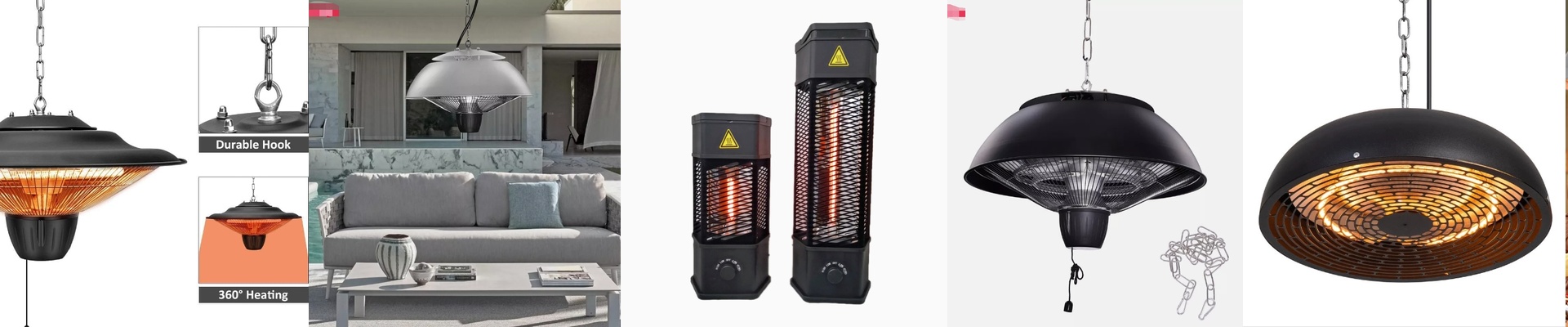
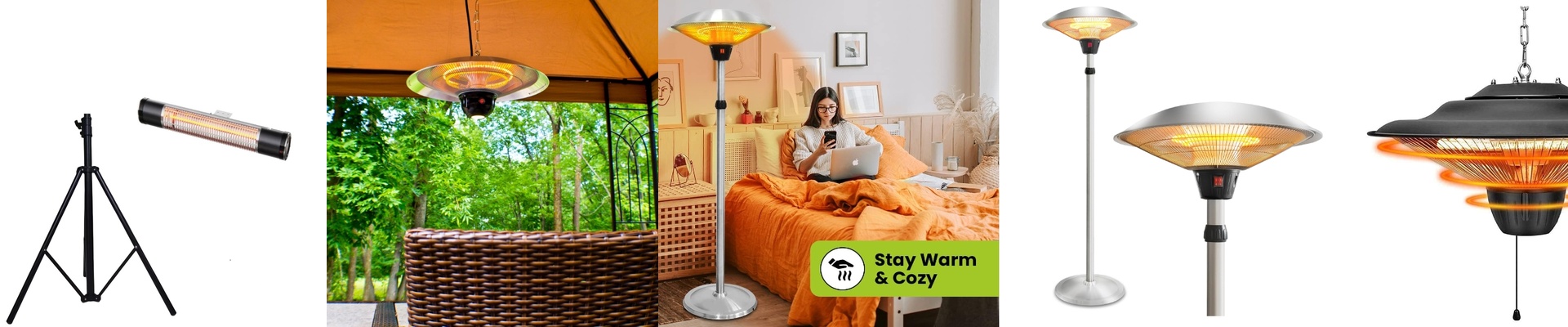
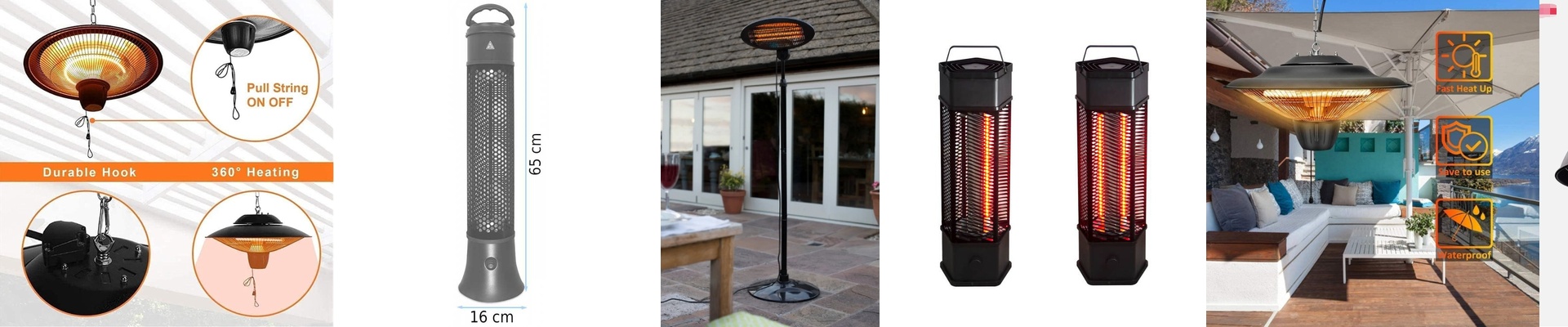
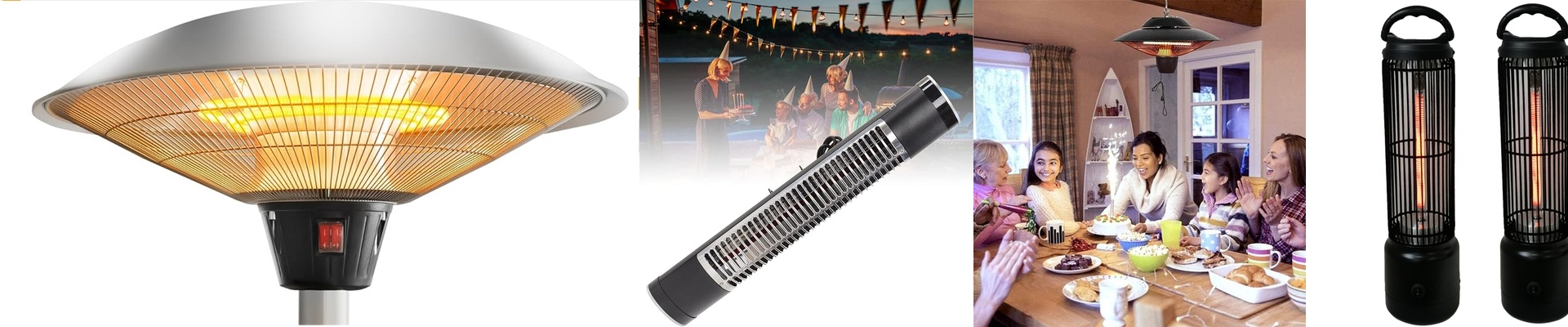
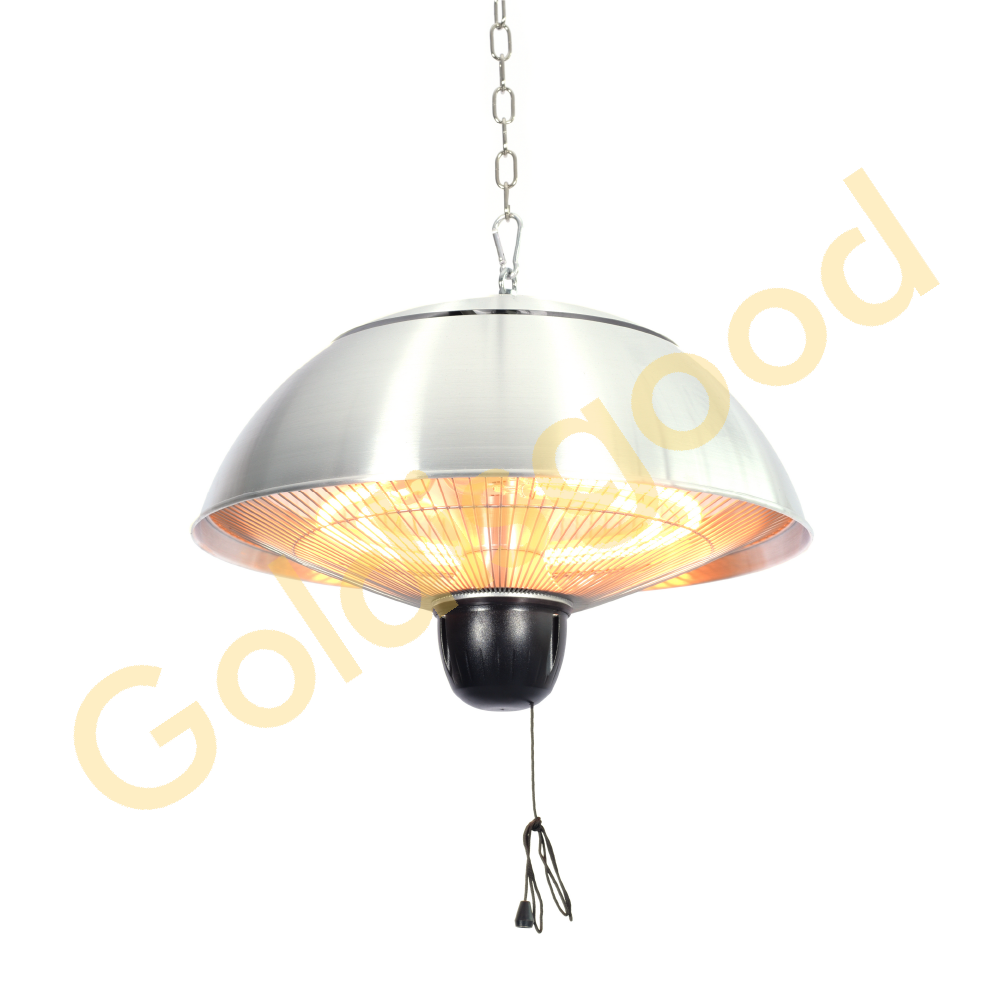
We build these infrared heaters around a high-efficiency carbon fiber element. It throws instant, directional radiant heat—no waiting around. Convection systems warm air, and that heat leaks out through ducts and vents. Infrared warmth travels in a straight line and heats people and solid surfaces directly. The feel is immediate and focused. Add in an integrated thermostat and a durable quartz tube, and you get steady output with minimal maintenance. No fiddling, no constant service calls.
Why this fits municipal work
Public buildings—libraries, community centers, municipal offices—run on partial occupancy. Heating empty space is money down the drain. Infrared heaters let you target the zones that are actually in use, so energy goes where it’s needed. The savings show up quickly: kWh drops, demand charges ease up, and peak load comes down. Municipal crews also like the simplicity. No ductwork to maintain, no boilers to service, and no drafts to chase around. Comfort improves because people feel warmth the moment they step into a room, not after the air has been dragged up to temperature.
What you need to keep straight
Infrared performs best when it’s matched to room size and ceiling height. In large, open spaces, plan on multiple units placed strategically to keep coverage even. Installation is straightforward, but line-of-sight is the key—obstructions create shadows where warmth won’t reach. Line-of-sight matters. Set mounting heights correctly and make sure the circuitry matches the heater’s amperage. Infrared is highly efficient, but it shines in spaces with standard to high ceilings. If the ceilings are very high, you may need more units or a complementary system for the coldest stretches.