
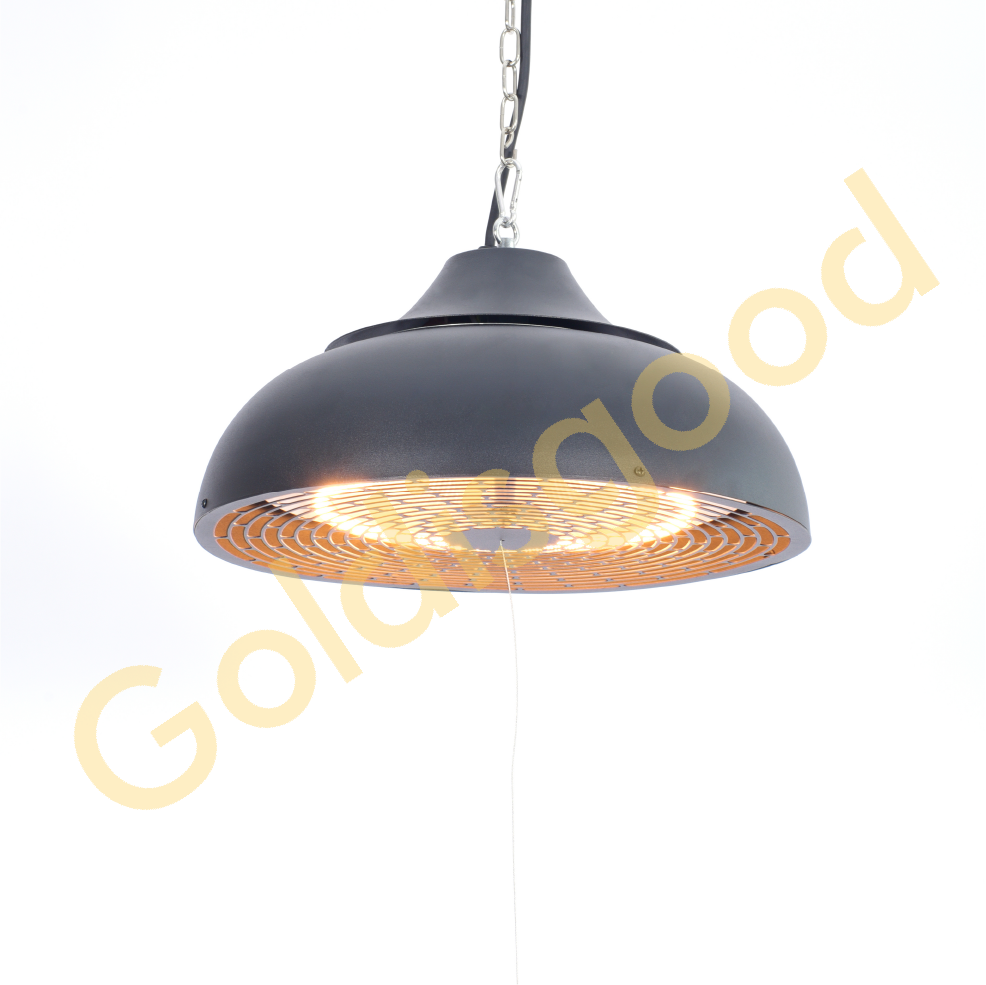
Why we’re swapping out old bathroom heat lamps for IR heaters
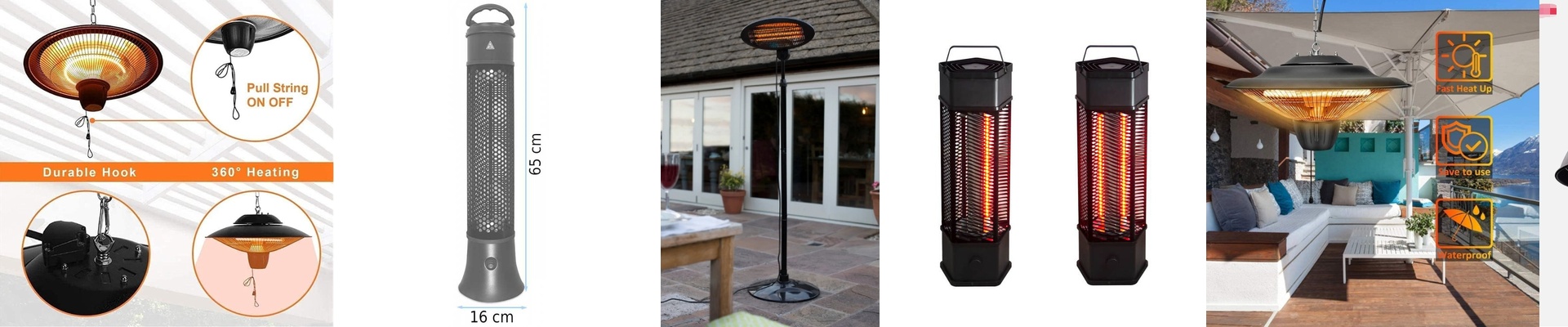
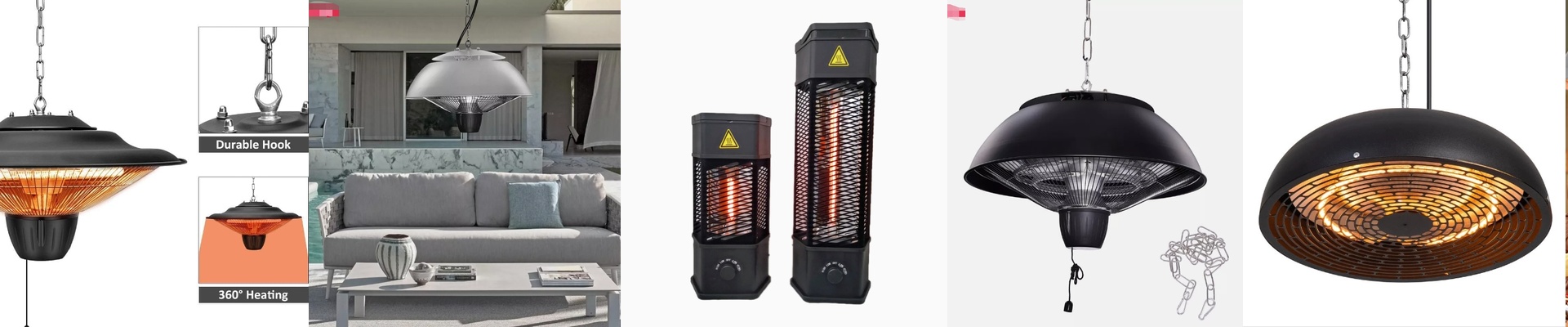
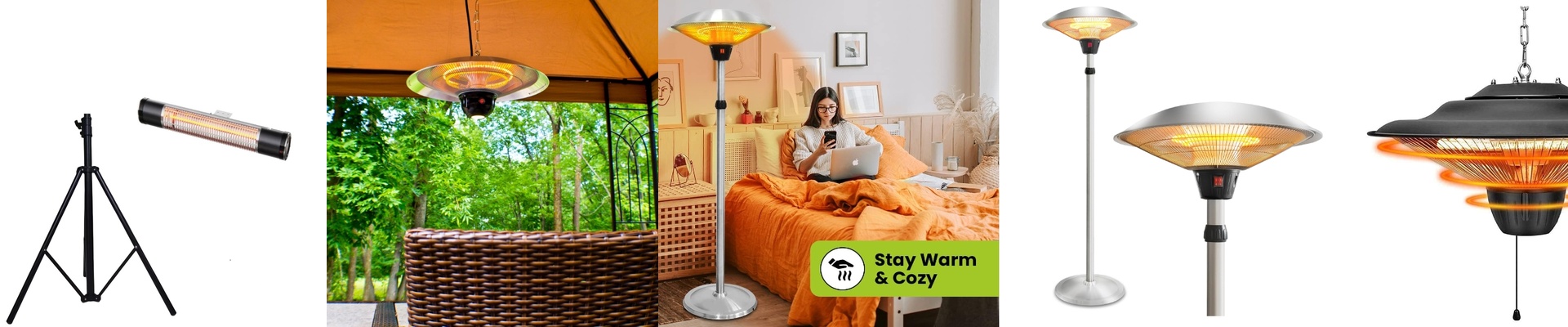
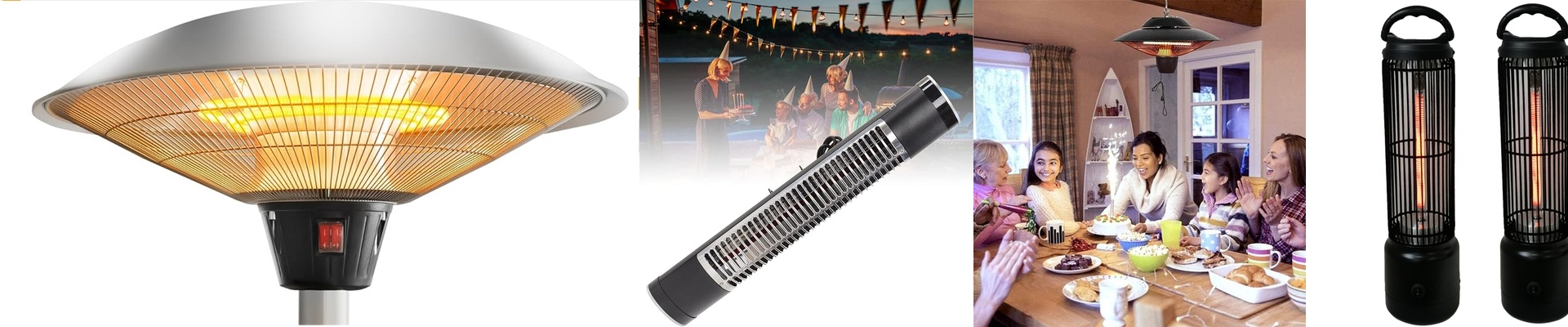
Let’s be honest: those old-school bathroom heat lamps are kind of a gamble. They usually rely on basic bulbs that weren’t really built for a room full of steam. One bad shower and the circuitry fries. That’s why we’ve been moving toward high-IP infrared (IR) heaters. They actually handle the humidity without giving up the ghost. The magic of radiant heat Here is the thing about standard heaters: they try to warm up the air. But in a bathroom, that warm air just disappears through the vents or under the door. Infrared is different. It doesn’t bother with the air; it sends heat straight to your skin and your mirror. You feel it the second you flip the switch. No more standing around in a towel waiting for the room to stop feeling like a freezer. Dealing with the damp Water is the enemy here. It’s the main reason these things break. We use units with high IP ratings because they’re basically sealed tight. While a cheap lamp might short out after a few months of heavy steam, these IR units use gaskets and coated terminals to keep the moisture where it belongs—on the floor, not in the electronics. A quick heads-up on the installation It’s not all magic, though. There are a few things to watch out for. Because IR elements get so intense, they can be a bit too aggressive if they’re too close to certain plastics or cheap mirror glues. If you mount them too tight, you might warp your fixtures. It’s all about getting that mounting distance just right. What this means for your Reno If you’re updating a bathroom, switching to IR is a huge win for comfort, but it’s a different beast for the person doing the wiring. These units can pull a bigger spike of power at first than those old bulbs did. You’ll want to make sure your breakers can handle the load so you aren’t tripping the power every time you want a warm bathroom. For the person using the shower? It’s a simple upgrade. For the installer? It’s a little more technical, but well worth it.