
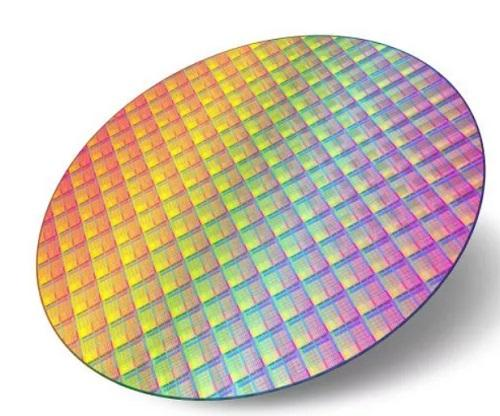
When you’re drying MEMS sensor wafers after a chemical clean, you need heat—and you need it fast. But there’s a catch. If you’re working around flammable or explosive vapors, a standard infrared lamp isn’t just a tool; it’s a risk. Nobody wants a fire in the lab. That’s why we do things differently. We use a specialized encapsulation system that basically puts the heating element in its own safe zone, completely isolated from the air around it. Keeping the bad stuff out We wrap our infrared quartz tubes in a tough, chemically resistant envelope made of sapphire or high-grade quartz. Think of it as a shield. It stops volatile organic compounds (VOCs) from ever touching those hot filaments. Even if a seal were to fail, the gas just hits a controlled void instead of the live element. To make sure nothing leaks at the connection points, we use high-temperature brazing or specific glass-to-metal seals. It’s all about peace of mind. Managing the heat Here’s the tricky part: high-intensity IR lamps get incredibly hot. If the outer casing gets too hot, it could ignite the surrounding vapors. To stop that from happening, we often use a double-walled jacket filled with inert gas or a vacuum. This lets the IR radiation pass right through to dry your wafer, but it keeps the exterior surface temperature under control. But you have to find the right balance. If you insulate too much, the lamp gets too hot on the inside. Push the wattage too hard, and you’ll burn out your filaments way sooner than you should. Getting it installed We build these heaters to handle the grind of continuous cycling without flaking out. Even the mounting brackets are made from non-sparking materials, so you don’t have to worry about a stray spark during installation. One last thing: check your wiring. Make sure it’s rated for the actual thermal load of the enclosure. If it isn’t, the insulation will just degrade and short out, and then you’re back to square one.