
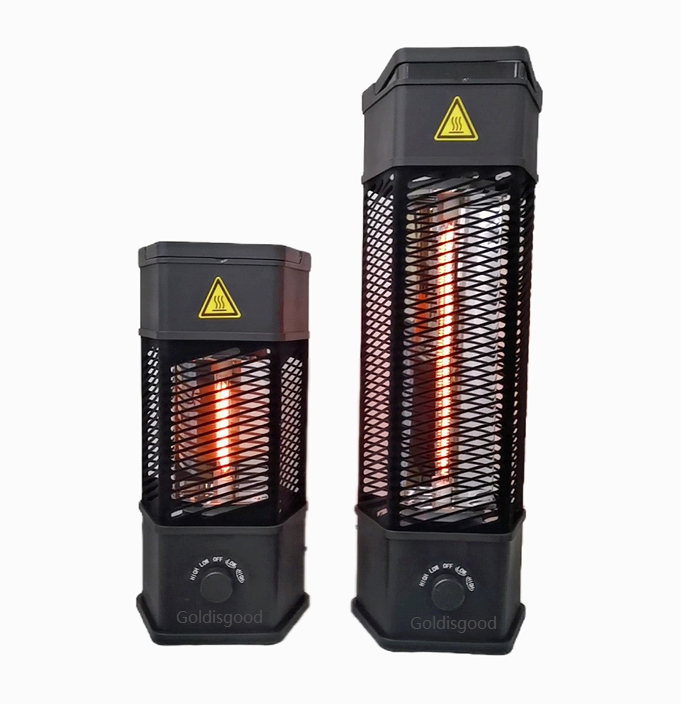
Why Most Bathroom Heaters Die (and How We Fixed Ours)
Let’s be honest: bathrooms are a nightmare for electronics. You’ve got steam everywhere, random splashes of water, and temperature swings that would make a thermostat dizzy. It’s a brutal place for a heater to live. Most units just can’t take it. They fry their circuits or the lenses fog up, and suddenly you’re shivering in a cold room. We wanted to build something that actually lasts. Keeping the water out Water and high-voltage wiring are a terrible mix. To stop the inevitable short circuits and rust, we tucked the internals behind heavy-duty sealing gaskets. It basically keeps the “guts” of the heater bone-dry, even when things get steamy. Then there’s the fog. You know that annoying mist that covers the glass the second the hot water hits? That’s not just a nuisance—it actually blocks the heat from reaching you. We solved this with a special anti-fog coating on the glass. It stops water droplets from sticking. Instead of a wall of mist, the heat goes straight to you. It just works. The balancing act We use quartz glass and halogen filaments because they heat up almost instantly. But quartz has a weakness: it hates “thermal shock.” If you hit a glowing red lamp with a blast of cold water, it’ll crack. Simple as that. To stop this from happening, we designed the housing to guide airflow around the lamp, cooling it down gradually. We also added a shield to deflect those direct splashes. It’s a small detail, but it’s the difference between a heater that lasts years and one that breaks in a month. A quick tip on setup By keeping the internals dry and the lens clear, we’ve cut out the usual spots where these heaters fail. No more oxidation eating away at the connectors. But here’s the thing: the seals are tough, but they aren’t magic. Just make sure you don’t mount the unit right next to a high-pressure shower head. Give it a little breathing room, and it’ll keep you warm for a long, long time.