
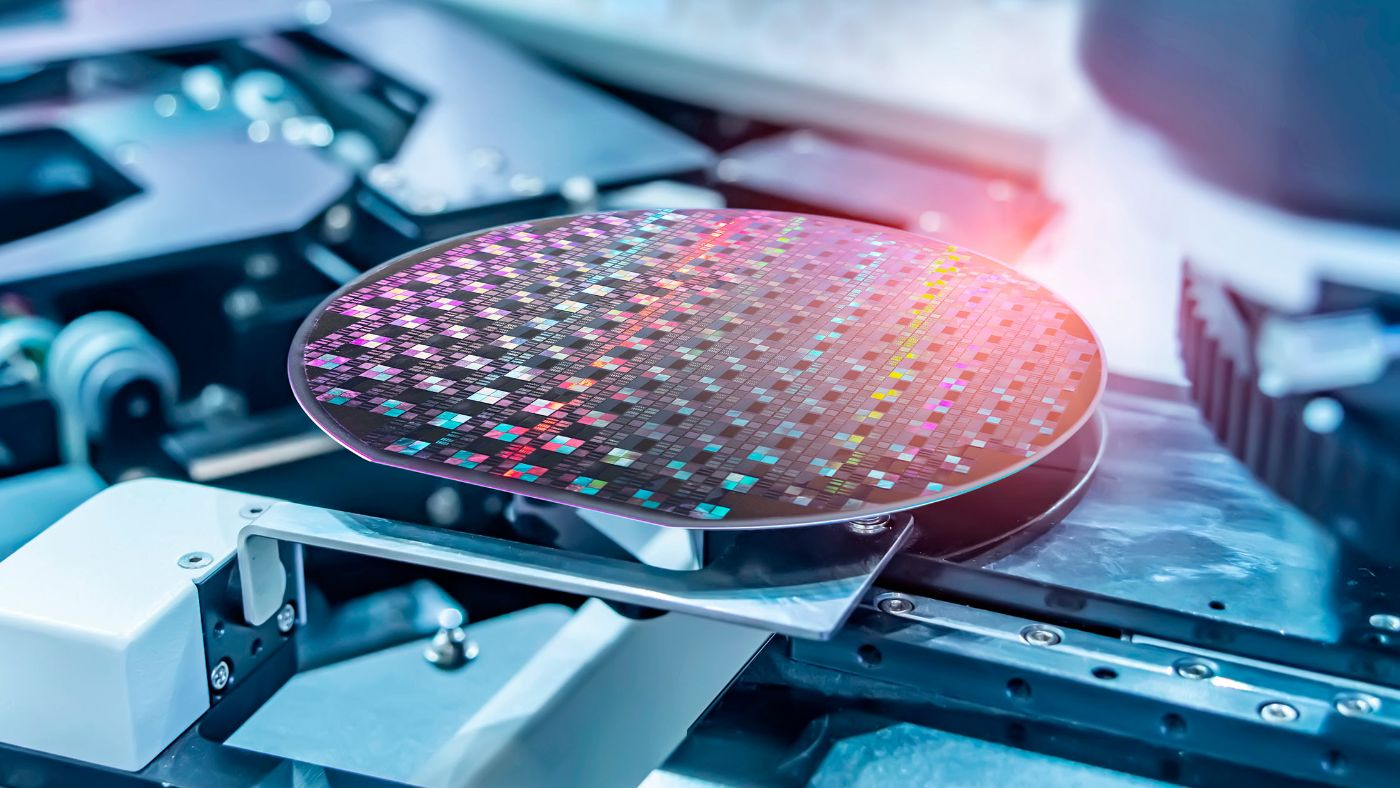
Out on the fab floor, soft bake and hard bake are where you set the thermal budget that makes or breaks critical dimension control. Slide the temperature even 1.5°C across the wafer, and your lithography window starts to disappear. We built the ceramic infrared heater panel to take that uncertainty off the table. What matters, technically It’s short-wave infrared, run through a dense ceramic matrix so the heat hits exactly where you need it, fast. You get wafer-level uniformity within ±0.1°C across the active area, and repeatability stays tight even when setpoints shift on you. The surface holds up in Class 1–100 cleanrooms—particle-free, no outgassing, no flaking. Response is quick enough to follow dynamic recipes without overshoot, so the thermal budget stays predictable. Why it holds up in photoresist processing Photoresist hates hot spots and cold edges. The ceramic panel lays down consistent heat, so the resist cures evenly. That means less footing and less line-edge roughness. In practice, you see higher yield and fewer rework lots. The system runs 24/7 with stable output, which cuts unplanned downtime and stretches maintenance intervals. It’s also efficient—heat on demand, minimal standby loss—so you keep energy use down without compromising performance. What you need to get right on install Mounting has to be precise: mechanical flatness and thermal isolation from adjacent modules. If the interface is off, you’ll bake in temperature gradients. Plan for compatible fixtures, and double-check where the temperature sensing lands during integration. Once it’s aligned, the panel delivers. But the mechanical interface is where you either realize the full thermal spec or fight it later.