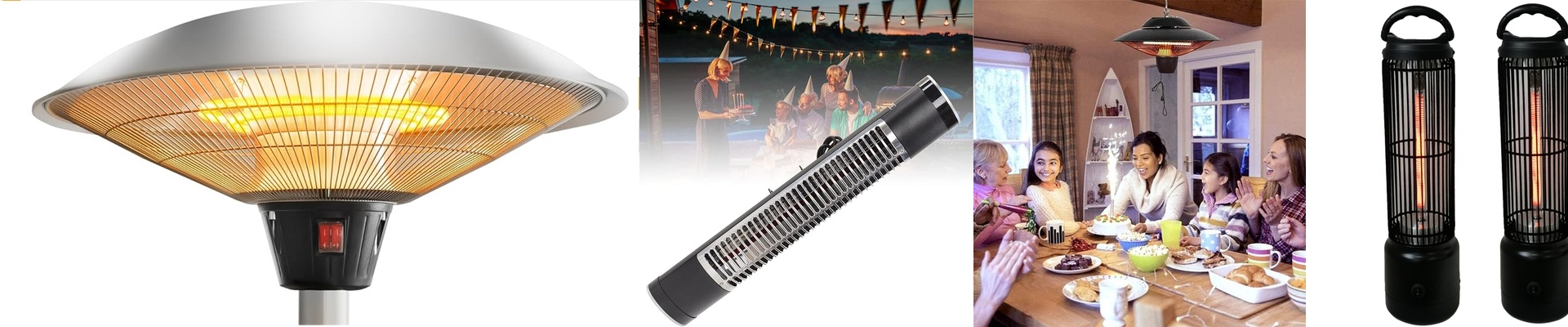

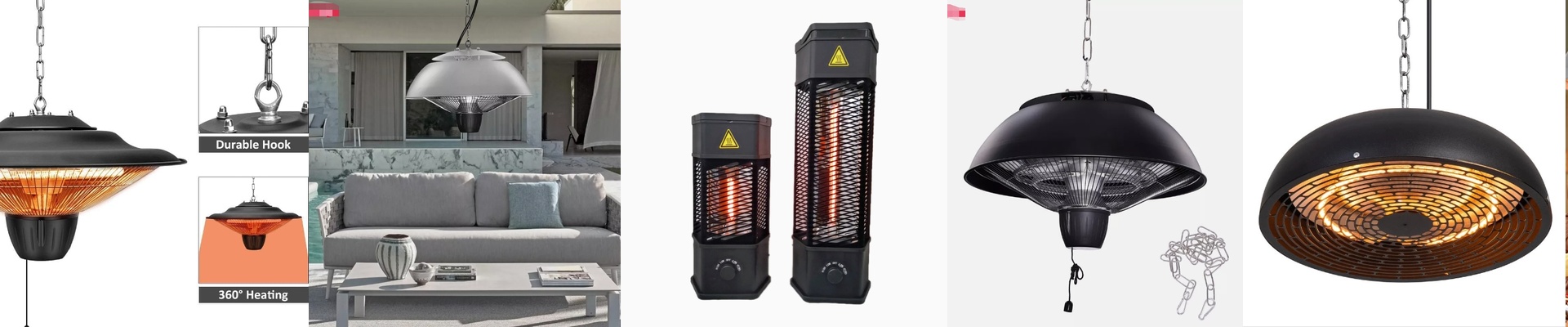
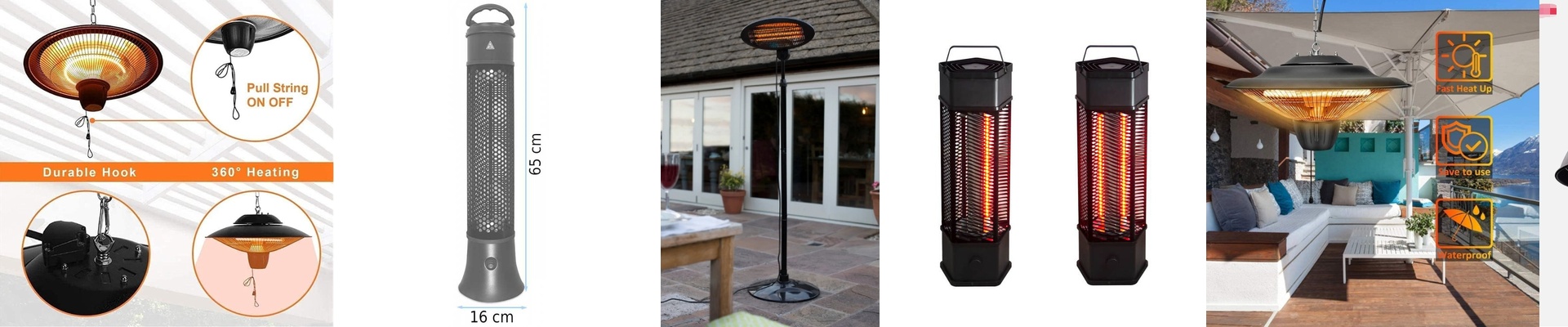
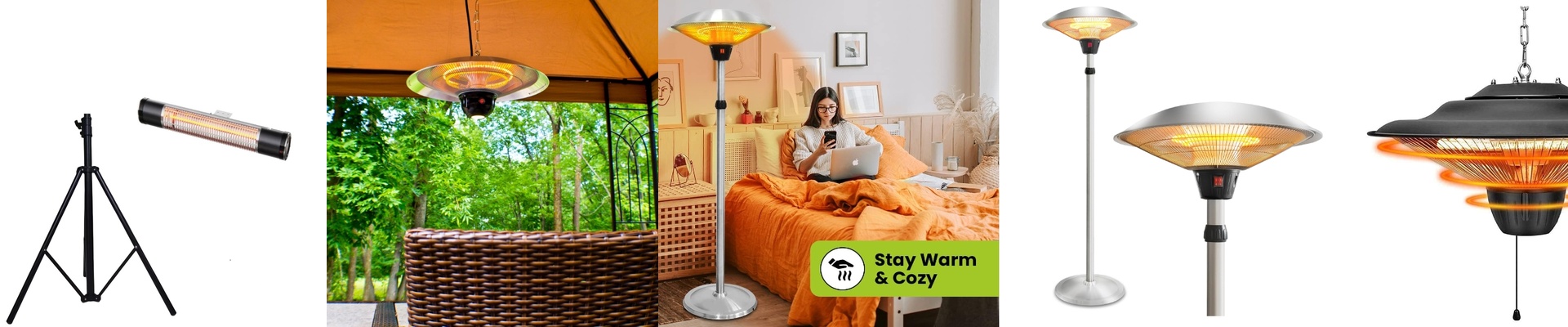
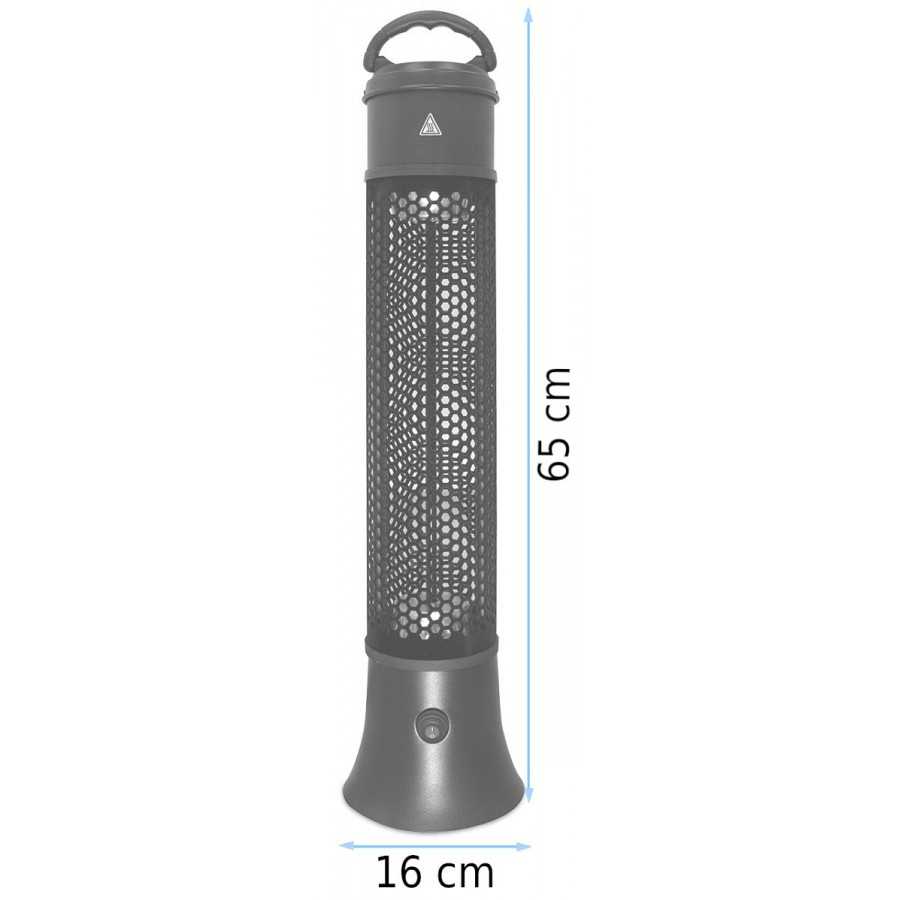
Step onto a cold floor at dawn and you feel it right away—the air sits heavy, heavier than the room should allow. With a conventional heater, you’re waiting for the air to warm up, and your feet are still left out. Infrared electric heaters flip that script by sending radiant heat straight to people and surfaces. The difference-maker, though, is the reflector. That’s where the craft lives. What actually matters under the hood Infrared heaters rely on a hot element—usually a carbon fiber element or a quartz tube—to throw off radiant energy. But that energy has to be pointed where you need it, not scattered into the ether. We shape the reflector using geometric optics, working out the curvature and focal length so the beam spreads evenly across the target area. A well-tuned reflector knocks down hot spots and cold corners. That uniformity lets you run the heater at a lower average setting and still feel the same comfort. In practice, you get more usable warmth per watt, and less energy bleeding toward the ceiling or getting stolen by side drafts. Why this approach shines where you need it This is a natural fit when the goal is steady comfort on hard floors—kitchens, bathrooms, entryways, sunrooms—places where tile and stone pull heat away fast. Radiant heat warms people and objects first, so you feel cozy sooner, and the floor stays pleasant underfoot. Because the reflector focuses the beam where you want it, the heater covers a defined zone without overheating nearby walls. That control keeps running costs down and the feel consistent, whether you’re making breakfast or settling in after a long day. The practical details you can’t skip Infrared warmth is directional, so placement matters. Aim the heater toward the main seating or walking area and keep the path clear of big obstructions. For indoor electric use, make sure the unit is rated for the room’s moisture level—bathrooms, for example, need the right protection—and always plug into a grounded outlet on a dedicated circuit. Adding a thermostat keeps comfort steady without temperature swings, and a model with tip-over protection is a smart safety move for day-to-day use.