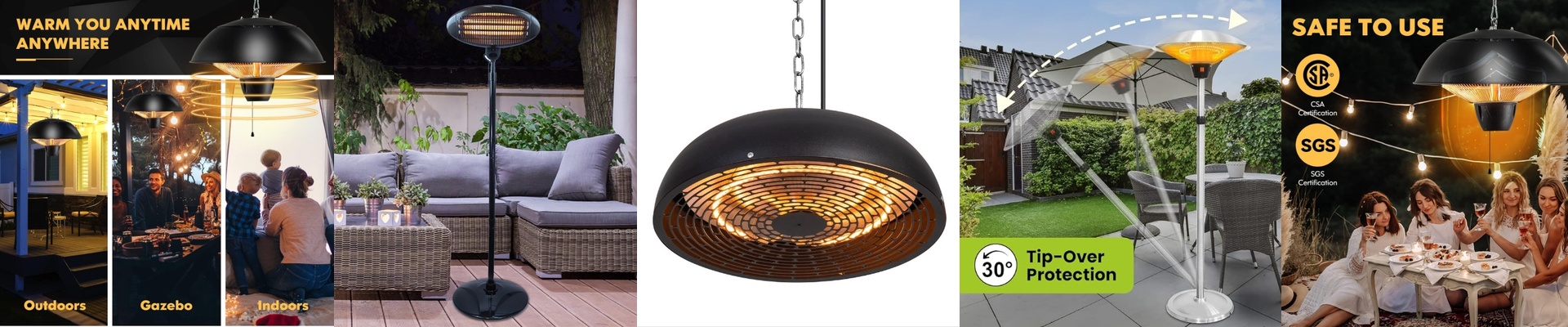
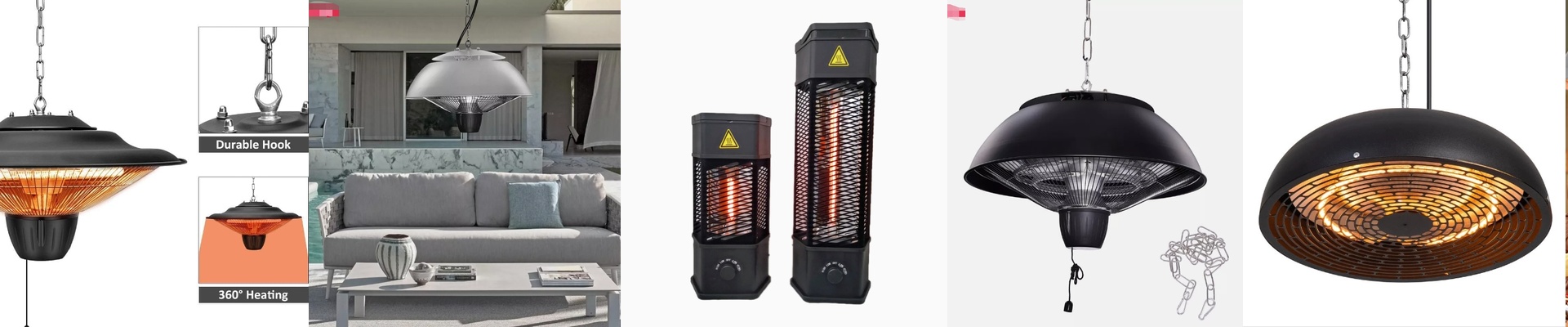
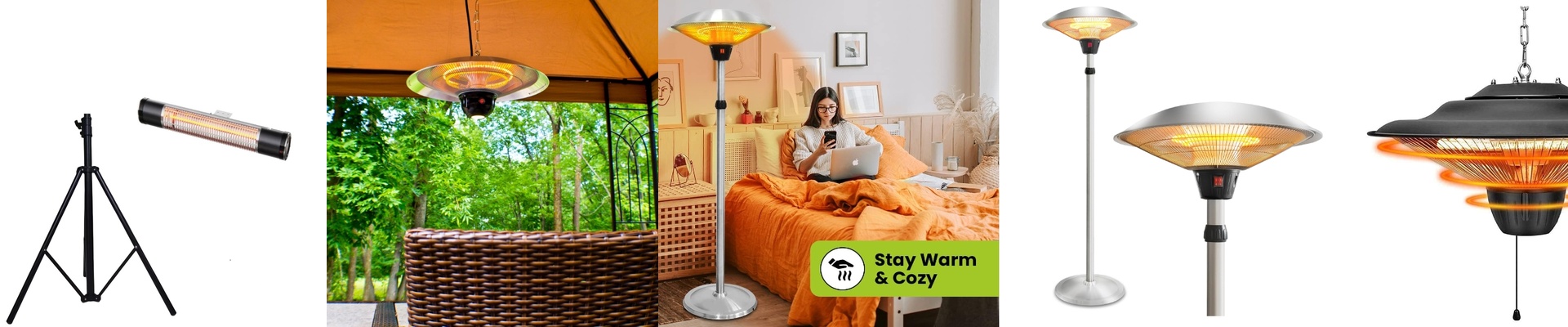
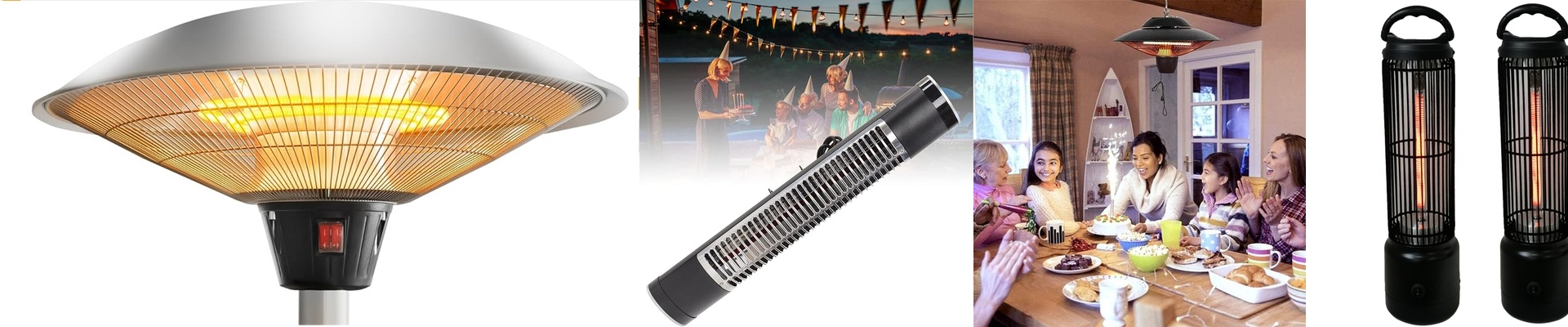
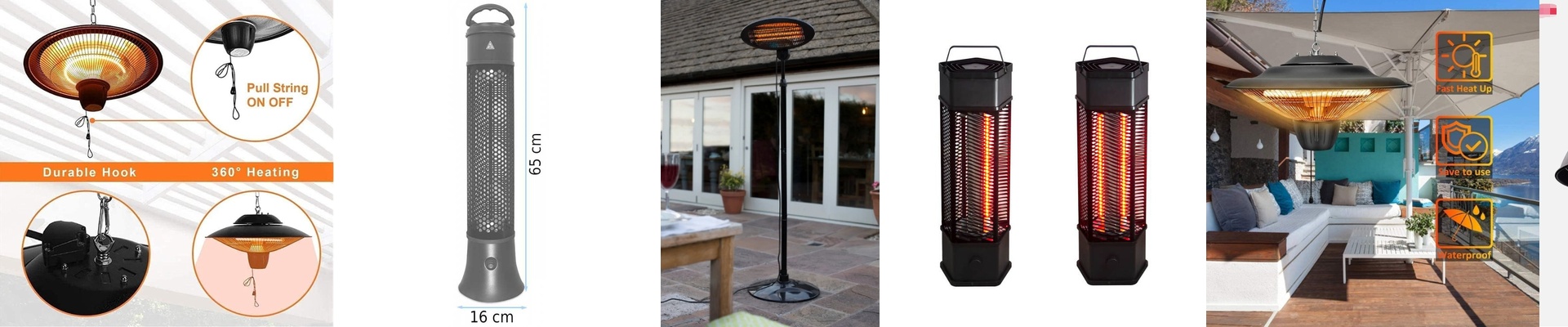
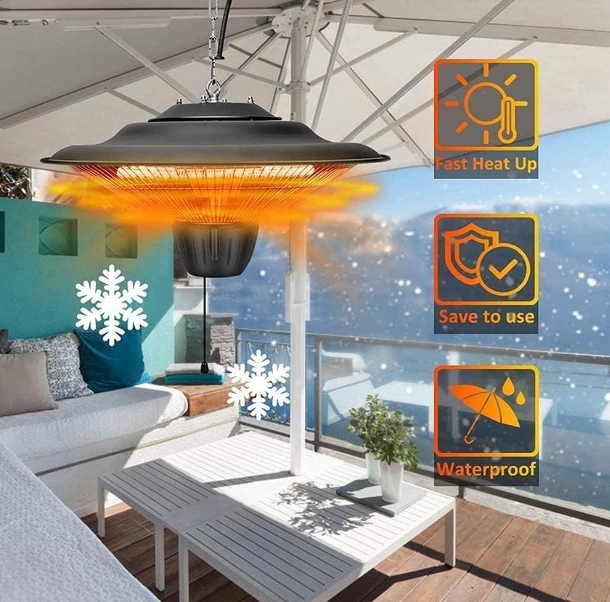
The heating aisle is a mess—boxes everywhere, all promising warmth, but only a handful that actually hold up. When you need steady heat in a workshop, on a covered patio, or in a busy commercial spot, a cheap heater isn’t a deal. It’s a headache you don’t need. That’s why we build our timer electric heaters to meet CE requirements. When you’re placing a serious order, that certification isn’t paperwork—it’s peace of mind.
What matters under the hood
Our infrared heaters run on a carbon fiber element, putting out radiant heat that warms people and objects directly, not the air. The payoff? Comfort faster, and less heat lost every time a door opens and closes. You get instant-on output with selectable power settings, so you can dial the heat to the space and the season. The timer is more than a convenience. It lets you preheat before a shift or before guests arrive, then shut down automatically—cutting energy use and keeping the unit from running longer than it should. For safety, each heater includes overheat protection and tip-over protection. And because CE covers electrical safety, construction, and protection ratings, you can trust the internal spacing, grounding, and insulation are built to survive day-in, day-out use.
Why this holds up in the real world
In a market full of uneven quality, the real cost isn’t the sticker price—it’s the replacement cycle and the risk of failure. A heater that can’t hold its rated performance leaves cold spots, uneven warmth, and complaints. Our CE-certified infrared heaters are engineered for steady output and repeatable performance, so comfort stays predictable shift after shift, and service calls stay rare.
Practical details that make the difference
CE certification is a strong baseline, but it’s not a “set and forget” stamp. Match the heater’s power to the area size, and mount it at the recommended height with proper clearance from combustibles. In very damp outdoor spots, pick a model with a higher IP rating and keep the power cord protected. Remember, infrared heat is line-of-sight and feels immediate, so plan units to cover seating zones evenly. If you’re ordering in bulk, ask for CE documentation and test reports. It’s the quickest way to avoid specs that read well on paper and fall apart in the field.