

If seasonal allergies or sensitive airways are part of your winter, you know the trade-off. You want heat, but you don’t want the dryness, the dust kicked up by forced-air systems, or that parched throat that follows. The fix isn’t just more heat—it’s the way the heat gets delivered.
What matters under the hood
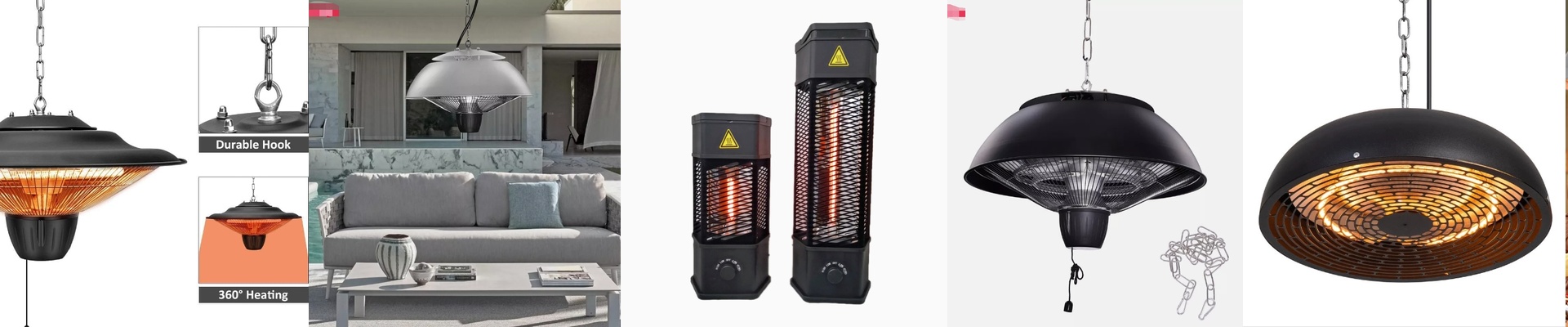
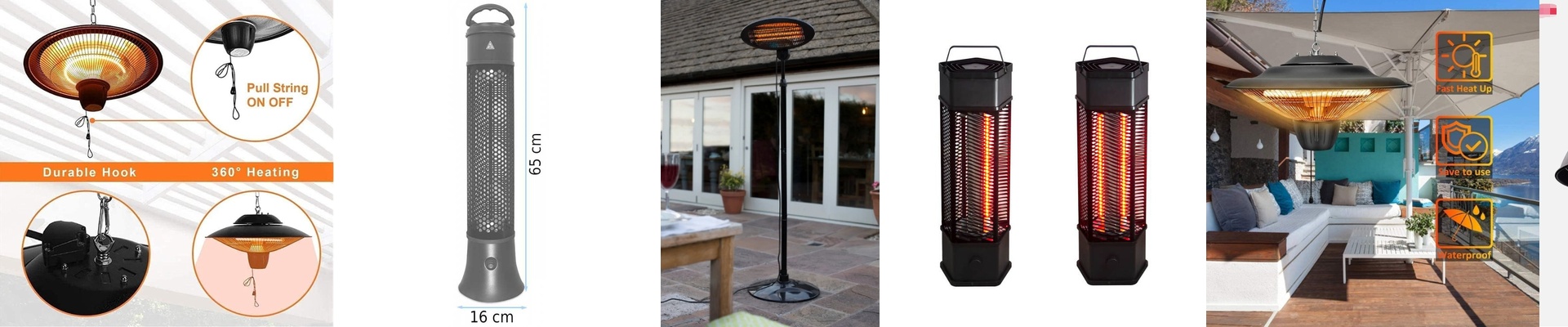
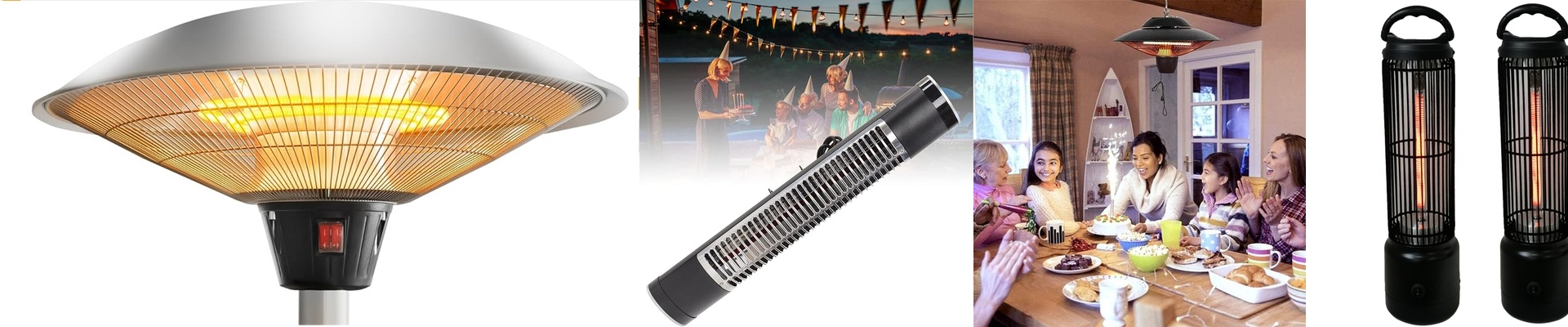
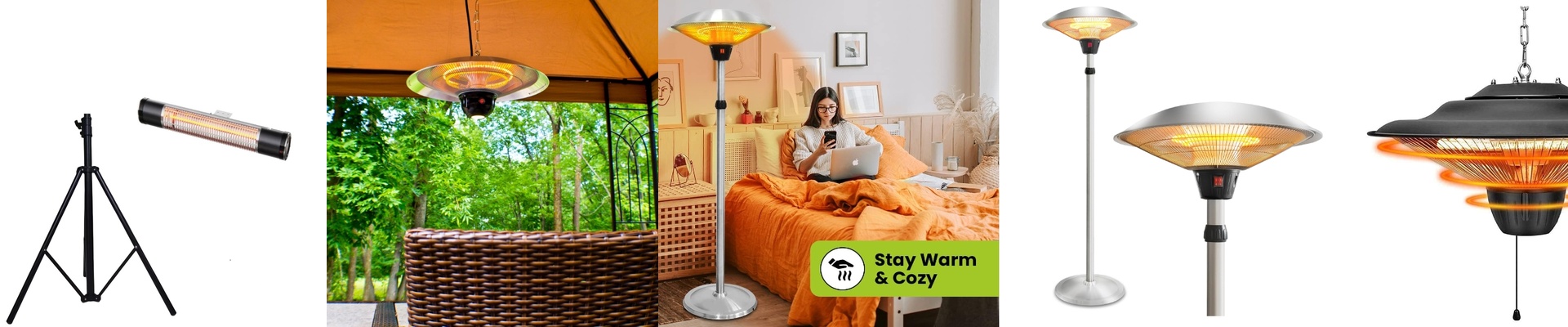
Infrared electric heaters don’t work like convection models. They don’t blow air around. Instead, a high-power electric element—often a carbon fiber or quartz tube—puts out radiant warmth that travels in straight lines, the same way sunlight does. It warms people and objects first, not the air. That gives you steady heat without stirring up dust, pollen, or other airborne particles. Many units add a quiet, low-velocity fan and a sealed heating chamber. That helps hold some moisture in the air, so you avoid the dry, static-heavy feeling that makes noses and throats cranky.
Why this approach works indoors
When comfort and clean air are the baseline, infrared heating makes sense. Because it doesn’t rely on moving air, it sidesteps the two biggest irritants: dryness and dust. You get warmth that feels natural, not a harsh blast that leaves you reaching for the humidifier. For allergy-prone households, that usually means fewer irritated eyes, fewer scratchy throats, and better sleep. It also means draft-free comfort—no cold pockets, no sudden hot blasts.
What to keep in mind
Infrared heaters are built for direct comfort, and they do their best work when they have a clear line of sight to the people in the room. They’re great at heating the space you occupy, not necessarily the whole house. For solid results, pick a model with a thermostat and the usual safety features: tip-over protection and an overheat cutoff. Most units plug into a standard outlet, but the higher-power models may need a dedicated circuit. And always plan for a clear clearance zone around the heater—safety first, and the warmth spreads more evenly that way.