
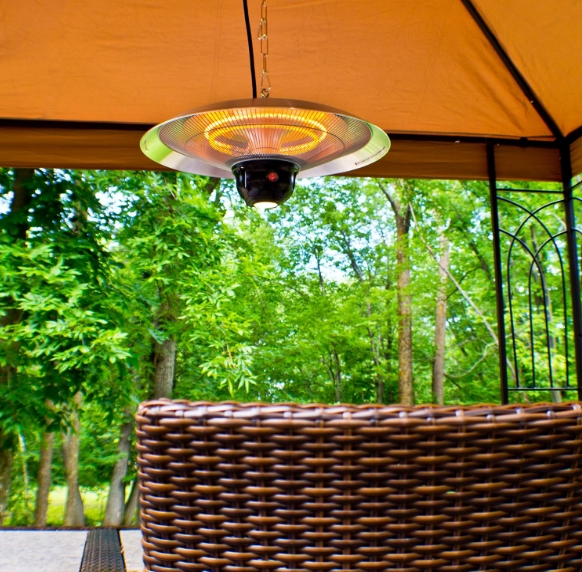
Built to Last: Why We Made Our Outdoor Heaters Modular
Let’s be honest: outdoor heaters live a rough life. They get blasted by rain, baked by the sun, and covered in dust. Most of the time, the metal frame is just fine, but the heating elements? They eventually give out. It’s just how it works. Usually, that means you’re staring at a dead heater and wondering if you have to toss the whole thing. We wanted to fix that “five-year headache.” The problem with “permanent” parts Most heaters on the market weld their heating elements right into the housing. If one tube pops, you’re in for a nightmare. You have to tear the entire unit apart just to fix one small piece. It’s frustrating and, frankly, a waste of time. We did things differently. We put the heating element in its own little cartridge. When a tube finally dies after a few seasons, you don’t panic. You just pull the module out, swap in a new element, and slide it back in. What used to take hours now takes a few minutes. It’s that simple. Keeping the rain out (without frying the guts) Waterproofing is a tricky balancing act. If you seal a heater too tight, the heat gets trapped inside and fries the wiring. If you leave it too open, the first storm will short the whole thing out. To get it right, we use high-temp silicone gaskets and enclosures that let the unit “breathe” while keeping the water out. Because the inserts are modular, you get that same tight seal every time you swap a tube. The reality of maintenance Here is the truth: no heating element lasts forever. Whether it’s quartz or halogen, they all degrade eventually. But you shouldn’t have to buy a brand-new heater every five years just because of a worn-out part. By using standard connectors and a drop-in system, you only replace the parts that actually wear out. One quick tip, though: make sure the module is seated perfectly. If it’s slightly crooked, moisture can sneak into the electrical terminals. Just double-check that the gasket is compressed firmly before you flip the switch. It takes two seconds, and it saves you from a short circuit when the humidity hits.