
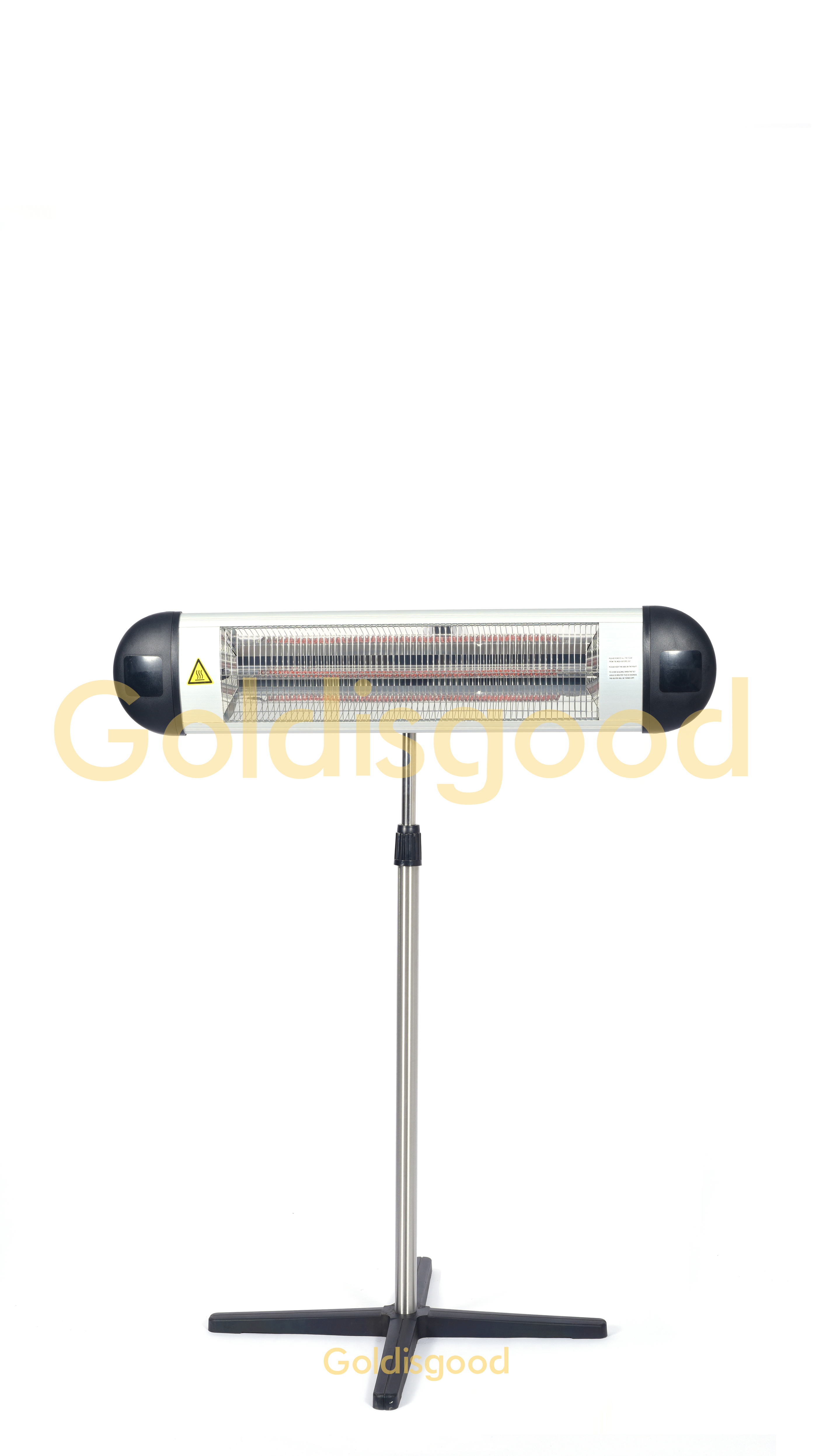
Why Your “Waterproof” Heater Keeps Shorting Out
Most table heaters brag about having an IP55 rating. But here’s the truth: most of them fail at the exact same spot. The lead-wire entry. That little junction where the power cord enters the heater housing is basically a disaster waiting to happen. In a high-heat infrared setup, that spot takes a beating. Cheap potting compounds shrink or crack as the heater warms up and cools down. Once that happens, moisture sneaks in. Then, you’ve got a short circuit on your hands. The heat is the enemy. Think about it. The temperature difference between the heating element and the outer shell is massive. If a manufacturer uses generic silicone, it starts to degrade around 150°C. It hardens. It cracks. And just like that, your waterproof seal is gone. We do things differently. We use OEM-grade sealing—stuff like high-temp fluorosilicone or specific epoxy resins. The key is that these materials expand and contract at the same rate as the metal housing. It stays snug. No gaps, no pulling away, no leaks. It’s all in the craftsmanship. A simple rubber gasket isn’t going to cut it for real IP55 protection. We use a two-step process. First, we get a tight mechanical compression fit. Then, we lock it in with a high-temperature chemical bond. It’s a double layer of defense. Even if the outer jacket gets banged around or worn down, the actual electrical connections stay bone-dry. One quick tip: watch your wiring gauge. If the wire is too thin for the current, the wire itself starts to heat up. That just cooks the seal from the inside out, making it age way faster than it should. A few things to keep in mind. There is a trade-off here. Adding heavy-duty sealing means there’s more “thermal mass” at the connection point. The wires can’t breathe or shed heat as easily as they would in an open-air design. Because of that, you’ve got to be smart about your cable routing. Keep those wires away from the direct line of fire from the quartz tube. If they’re sitting right in the radiant path, the insulation will melt, and all that fancy sealing won’t matter.