
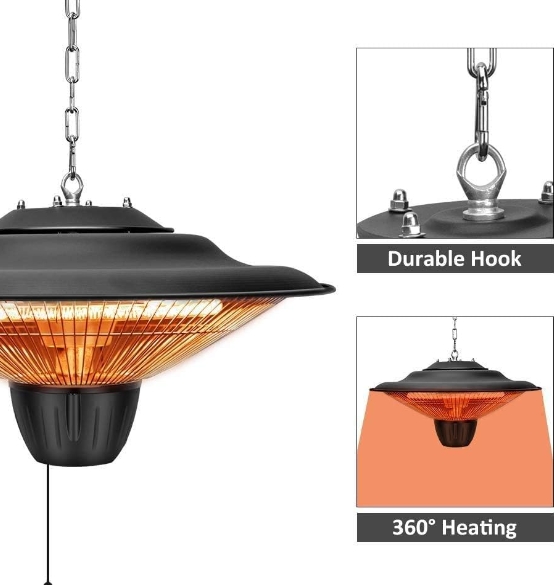
Keeping Things Safe When Heat Meets Water
When you’re picking out heaters for a bathroom or an outdoor spot that gets soaked, the real enemy isn’t just the water itself. It’s what happens when that water hits something screaming hot. Imagine a glowing filament at 600°C. Now imagine a cold drop of water hitting it. A regular infrared lamp would just crack or short out instantly. That’s why we don’t mess around—we use IP66-rated housings and explosion-proof quartz tubing. The deal with the quartz Here is the thing about standard quartz: it expands and contracts fast. In a shower, one stray drop of water can cause a sudden pressure spike. Usually, that means the tube shatters or implodes. We use a specific kind of explosion-proof quartz that can handle those wild temperature swings without breaking. And even in the worst-case scenario where a tube does fail, it’s designed not to blow apart violently. It stays controlled. You stay safe. Keeping the water out Then there’s the IP66 rating. In plain English? The chassis is totally dust-tight and can take a high-pressure blast of water without flinching. We spend a lot of time sealing the wiring entries and the lamp sockets. Why? Because if moisture creeps into those electrical terminals, you’ve got a ground fault on your hands. By locking the quartz element inside a waterproof shell, we keep the danger far away from the person using it. A few things to keep in mind These units are powerful. They pump out short-wave radiation, so you feel the warmth the second you turn them on. It’s an instant cozy feeling. But that kind of heat density means the housing has to be tough. We use materials that won’t warp or bend after being heated and cooled a thousand times. Just don’t try to cram these into a tiny, unventilated hole in the wall. They need a bit of breathing room so the chassis can cool down. We build these for the places where “almost working” isn’t good enough. Just make sure you’re using the right circuit breaker and wiring rated for the wattage. You don’t want your terminals burning out because the wires were too thin.