
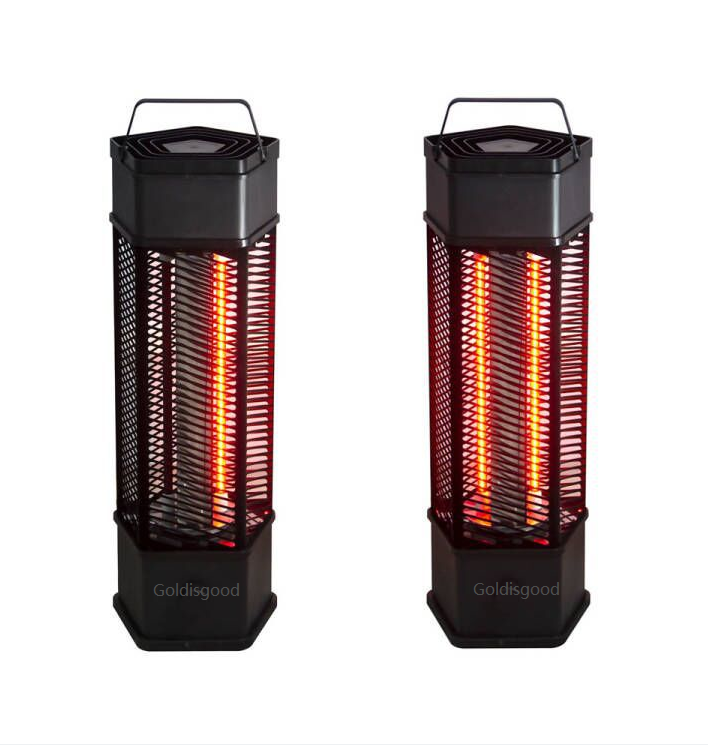
Stop Losing Half a Day to a Single Burnt-Out Heater
Most industrial heaters are “set it and forget it”—until they stop working. Usually, that happens five years in, right in the middle of a busy production run. When that happens, the cost of the replacement part is peanuts. The real killer is the downtime. We got tired of seeing people tear apart entire systems just to fix one part. That’s why we built our IP65 waterproof infrared modules to be swapped out in minutes, not hours.
Why we went modular
Here is the problem with most waterproof heaters: the heating element is buried deep inside the chassis. To get to a failed tube, you have to rip out wiring, peel back gaskets, and basically dismantle the whole thing. It’s a nightmare. We did things differently. We went with a slide-in design. If a lamp goes out, you just swap that specific module. You don’t even have to break the main waterproof seal of the enclosure. No rewiring on the shop floor. No swearing at a manual. Just pull the dead one out, drop the new one in, and lock it. It turns a four-hour headache into a ten-minute job.
Dealing with the heat (and the water)
Keeping things IP65—meaning they can handle dust and water jets—is tricky. Sealed boxes are great for keeping water out, but they’re terrible at letting heat escape. If you aren’t careful, the internal electronics just cook themselves. To fix this, we used a heat-sinked chassis. It pulls the heat away from the connection points so nothing melts. Just a heads-up: since it’s a sealed system, you need to keep an eye on your airflow. If you cram these modules too close together without any breathing room, the “heat soak” will kill your lamps faster. Give them some space to breathe.
Making it work on the floor
We use standardized connectors for a reason: we want this to be a true drop-in fit. There is zero soldering involved when you’re replacing a unit in the field. That’s huge because soldering in a high-humidity zone is a recipe for poor connections and electrical arcing. Instead, you get a predictable footprint and a swap-out process that anyone on your team can handle without needing a degree in electrical engineering.