
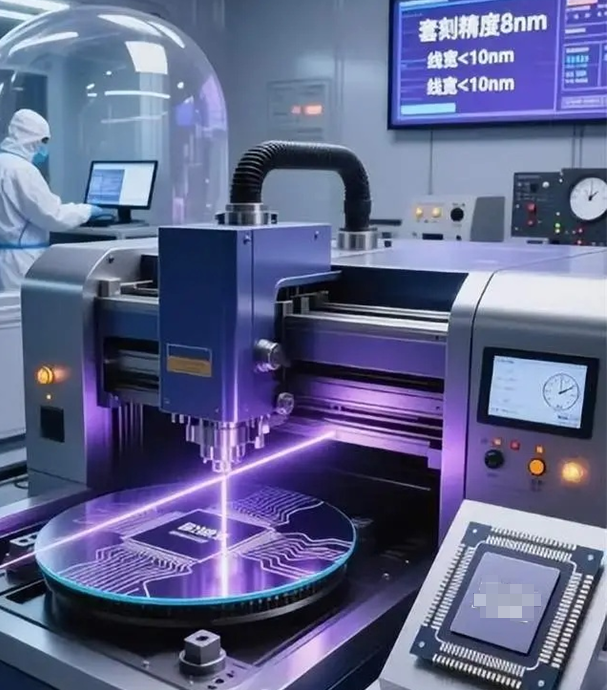
Stop Heating Your Tool Walls (and Start Heating Your Wafers)
Getting a semiconductor wafer to the right temperature is a precision game. But if you’re using standard IR lamps, you’re basically fighting a losing battle. Those lamps blast heat in every direction, meaning a huge chunk of your energy is just warming up the inner walls of your tool. It’s a waste of power. Worse? It turns the equipment chassis into a giant radiator that can actually burn an operator during maintenance. Not ideal. The fix is pretty simple: stop blasting and start aiming. We use directional infrared heating to solve this. How it actually works Think about a standard quartz lamp—it’s like a lightbulb that throws heat in a 360-degree circle. In a wafer tool, half of that energy is hitting nothing but metal walls. We use specialized reflectors and filters to tighten that beam. Instead of a wild spray of heat, we push the energy exactly where it needs to go: the wafer surface. Your ramp-up speed stays fast, but the rest of the tool stays cool. No more turning the inside of your machine into an oven. The tricky part: Getting the alignment right These lamps are designed to fit into tight spaces, but they aren’t “plug and play” in the sense that you can just slap them in. The focal point is everything. If the lamp is even a tiny bit off-axis, you’ll run into trouble. You’ll get cold spots on the wafer and hot spots on the walls. It’s a tight tolerance, and it requires a steady hand. Then there’s the airflow. A high-wattage directional lamp is powerful, but the lamp head itself still gets hot. If your internal cooling isn’t set up to clear that heat away from the housing, you’re looking at burnt-out connectors or ruined reflector coatings over time. You have to balance that power density with actual breathing room. The payoff for your team When you stop leaking heat into the chassis, everything gets easier. You don’t need to slap heavy-duty insulation on every single internal panel just to keep people safe. It makes servicing the tool a breeze. You can open the chamber and swap parts without having to wait hours for the metal to cool down to a temperature that won’t blister your skin. It’s just a safer, faster way to work.