
On the line, flexible substrates and thin-film stacks are unforgiving when the thermal budget slips. Soft bake drifts by even a hair, and your critical dimensions move. Run the hard bake hot, and the photoresist profile you fought to hold starts to collapse. Uneven thermal profiles let cleaning and drying residues stick around, and packaging cures that run cool will leave voids you can’t afford.
What matters under the hood
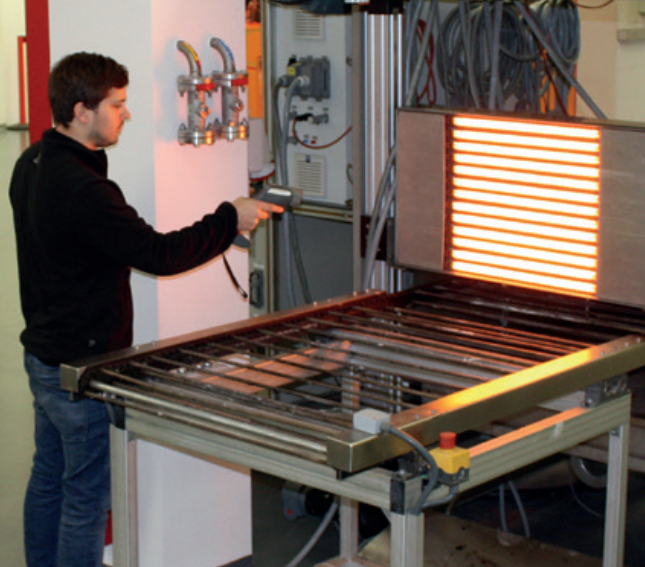
We built this flexible electronics wafer heater for the process floor, not for a slide deck. Hold ±0.1°C uniformity across the active zone, and every wafer sees the same temperature—no edge-to-center bias, no hot spots that trigger solvent bursts. It’s compatible with cleanroom Class 1–100, and the heater surface is engineered to generate zero particles during cycling, so contamination counts stay where they should. Run-to-run photoresist bake windows stay repeatable because the control is steady; the temperature tracks the setpoint without overshoot.
Why it holds up in production
This unit is built around four operations you actually run: wafer drying, photoresist soft bake and hard bake, packaging cure, and cleaning dry-down. Tight uniformity cuts bake time because you don’t need to soak just to compensate, and stable setpoints cut scrap from out-of-spec photoresist profiles. The low-particle design keeps microdefects from nibbling yield, and it runs 24/7 with predictable maintenance—no surprise downtime chasing temperature excursions.
What you need to get right
Installation comes down to matching the tool’s exhaust and gas flow to the chamber, and aligning the heater within the specified standoff tolerance to keep uniformity intact. The unit is sensitive to line voltage stability; a sag can introduce short-term drift before the controller catches up. Plan a dedicated feed, and verify the thermal mass of your substrate stack—thin films respond faster, thick laminates need more time to settle. Set it once, document the profile, and the line runs with fewer alarms.