
Why Your Bathroom Heater Keeps Dying (And How to Actually Fix It)
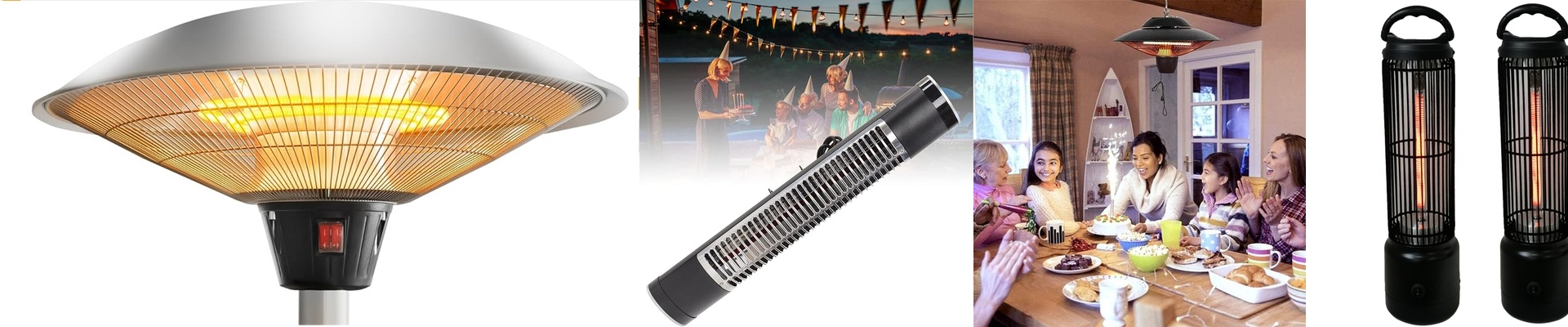
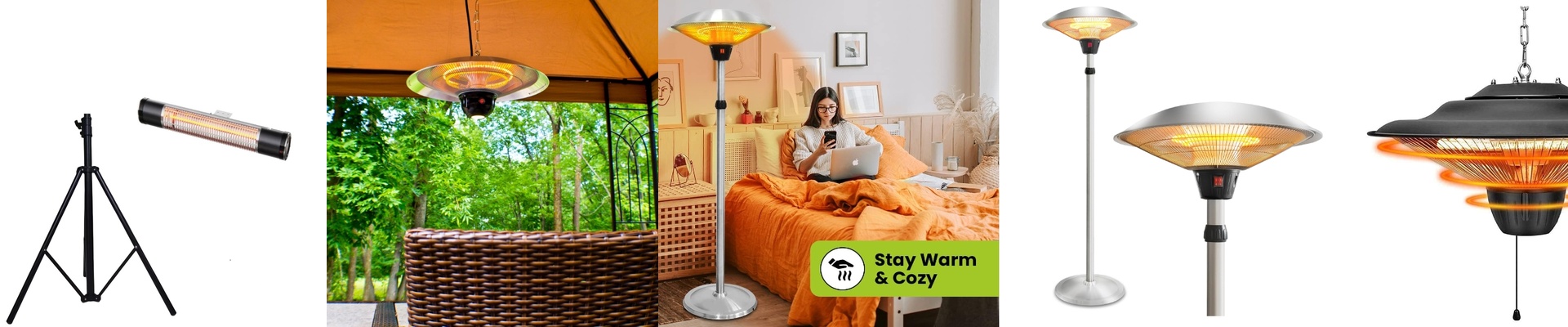
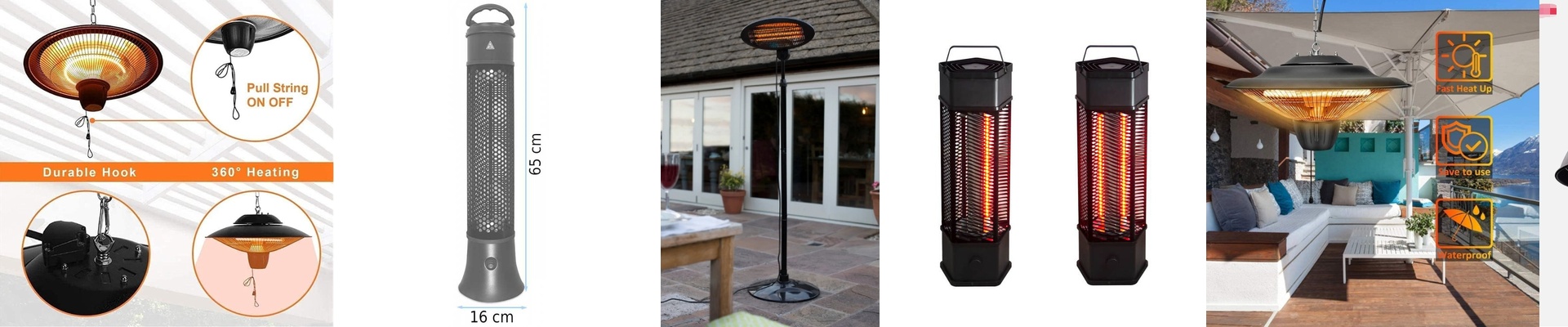
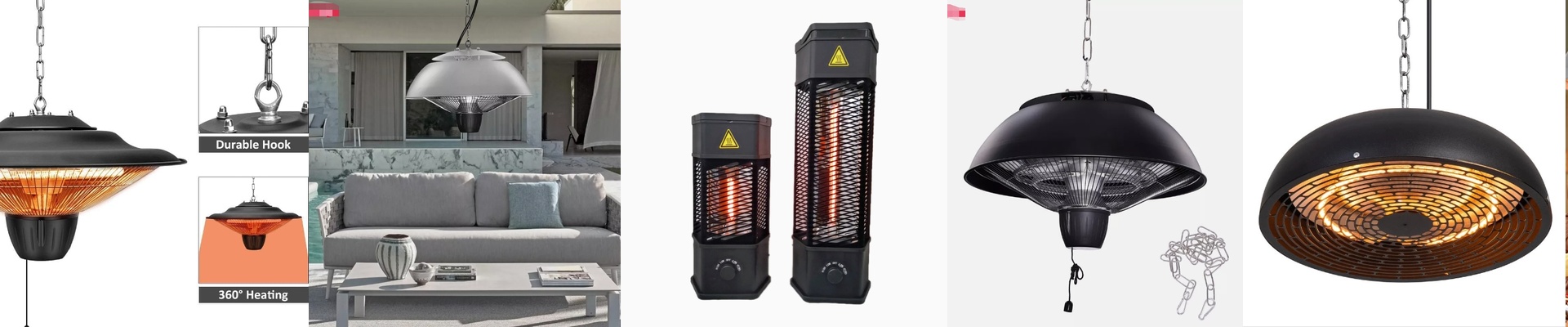
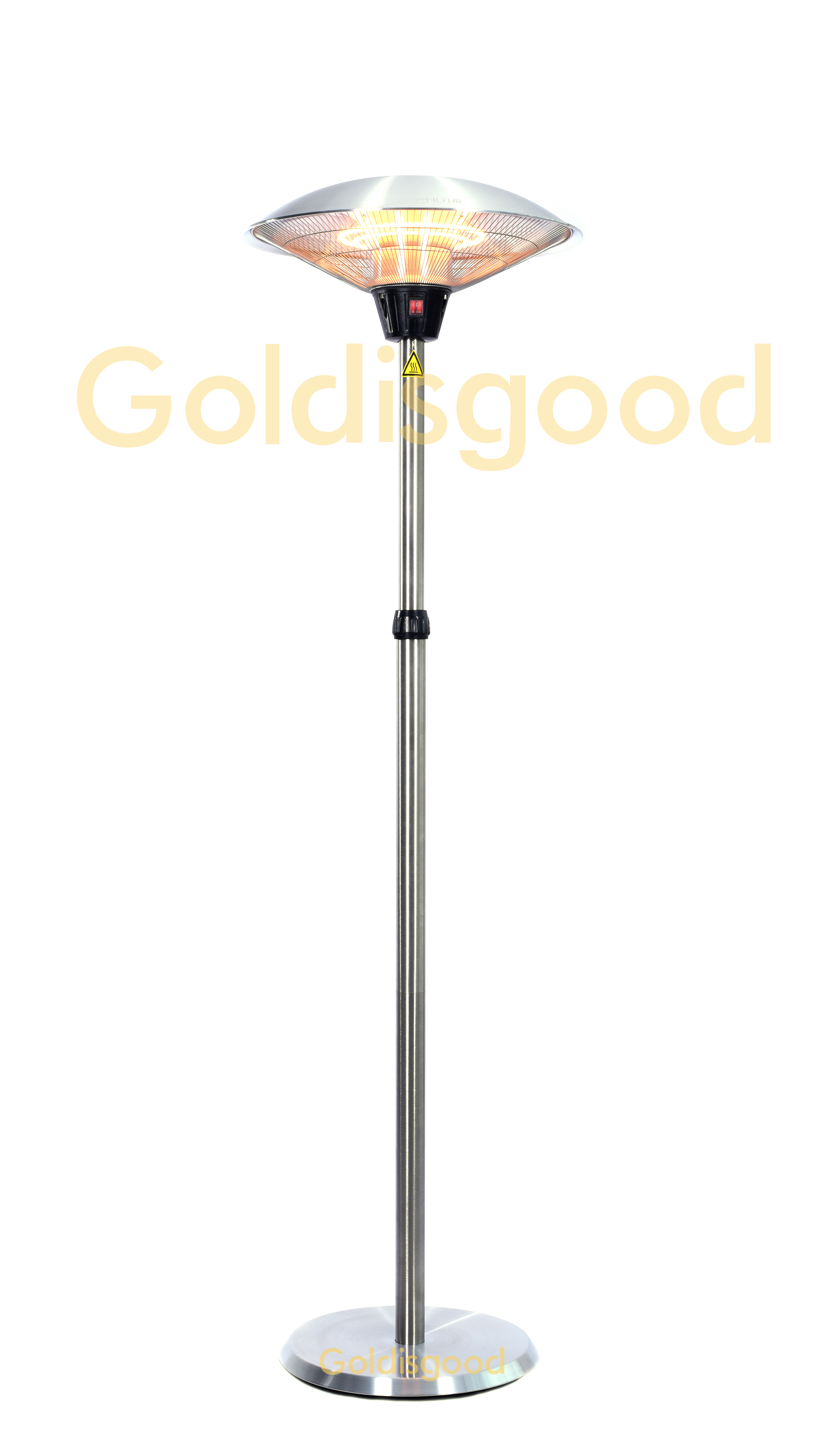
Most of those old-school “lamp heaters” just aren’t cut out for the bathroom. Think about it: you’ve got steam everywhere and water splashing around. It’s a nightmare for electronics. That’s why we’re moving everyone over to IP65-rated infrared heaters. Instead of just a heating element tossed in a box, these are sealed tight to keep the moisture away from the electrical guts. What does IP65 actually mean for you? Basically, the “6” means dust can’t get in. The “5” means it can take a spray of water from pretty much any angle. Here’s the thing: in a normal bathroom heater, steam sneaks inside the housing. It eats away at the terminals, causes corrosion, and eventually, the whole thing just burns out. By sealing the unit, we stop that water from creeping into the wiring. No more short circuits. No more annoying failures. The magic of infrared Standard heaters try to warm up the air. But if you’ve got a drafty bathroom, that heat just vanishes the moment it hits a breeze. Infrared is different. It doesn’t care about the air; it goes straight for your skin and the surfaces around you. We use short-wave emitters, so you aren’t waiting for the entire room to heat up before you feel it. You flip the switch, and boom—you’re warm. Right away. The “Gotchas” (What to watch out for) Before you go buying one, there are a couple of things you need to know. First, you can’t just plug these into a random outlet. They pull a lot of power to get that instant heat, so if you share a circuit with your other bathroom gear, you’re probably going to trip a breaker. You’ll want a dedicated circuit and the right wiring gauge to handle the load. Also, keep in mind that these are bigger than a simple lightbulb. You’ve got to plan your ceiling space. If you mount them too low, the guard gets hot—hot enough to actually burn you. To keep things safe but still cozy, we suggest hanging them at least 2.2 meters up.