
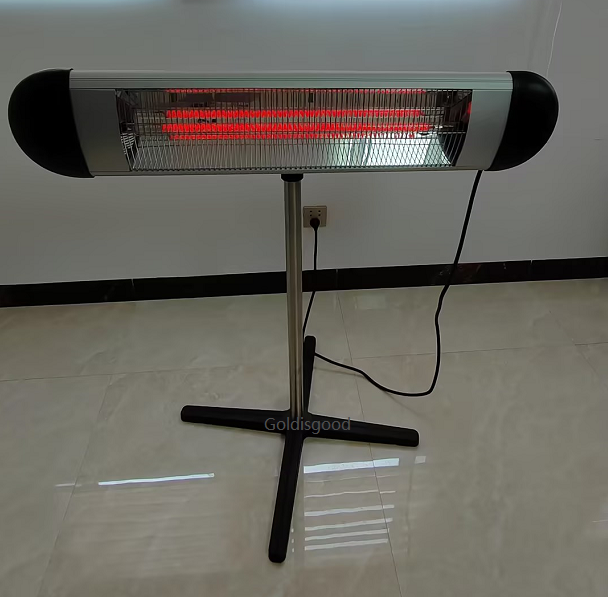
Why You Can’t Just Put Any Heater in a Steamy Bathroom
Putting an infrared heater in a bathroom or a damp area isn’t just about keeping the chill away. You’re basically putting a high-voltage heat source in a room full of water. That’s a risky mix. If a single drop of cold water hits a standard quartz lamp while it’s glowing hot, the glass can shatter instantly. It’s a mess, and it’s dangerous. That’s why we use explosion-proof quartz and IP55 protection. The “Thermal Shock” Problem Think about it: the surface of these lamps can hit over 600°C. When a cold droplet lands on that, the glass shrinks too fast in one tiny spot. Snap. We use a specific kind of explosion-proof tubing that can actually handle those wild temperature swings. It’s built to take a beating so the heating element stays safe and sound, even if the room is dripping wet. Dealing with Steam and IP55 Then there’s the moisture. In a shower, steam gets into every single crack. An IP55 rating is basically our way of saying the housing keeps the dust out and can handle water jets hitting it from any angle. We seal the wiring and connectors tight. If you skip this or go with a lower rating, you’re just waiting for the moment the humidity hits 100% and the whole thing shorts out. Nobody wants that. A Few Things to Watch Out For The best part? These heaters are instant. You feel the warmth the second you flip the switch because they use short-wave radiation. You aren’t waiting for the air to warm up; you just feel it. But there’s a catch. Since these tubes get incredibly hot, you can’t use cheap mounting brackets. They’ll warp. Use hardware that’s rated for constant heating and cooling. And a pro tip for the install: check your circuit breaker to make sure it can handle that initial surge of power when the quartz kicks in. Also, use high-temp silicone cabling. Regular insulation can melt right next to the lamp head, and that’s a problem you don’t want to deal with.