
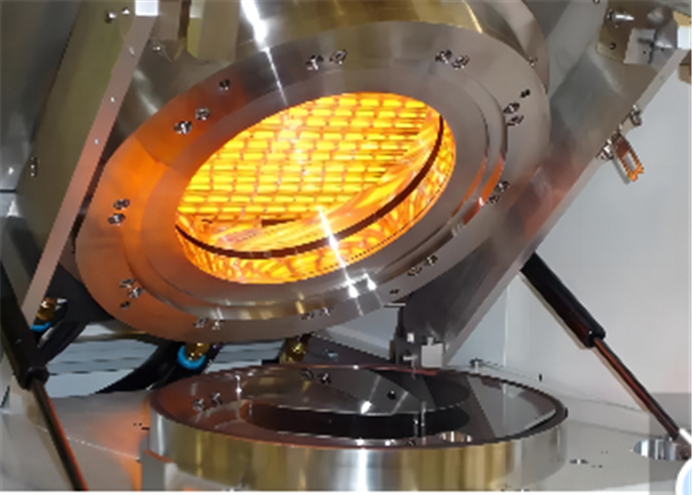
Getting More Heat, Less Waste: The Magic of Gold-Coated Twin Tube Lamps
In semiconductor fab, timing is everything. You need your heating cycles to be fast and incredibly precise. Most people just throw more power at the problem, but we do things a bit differently. We use twin tube lamps coated in gold to hit those thermal targets without wasting a ton of electricity—and without bloating the factory’s carbon footprint. Why the gold? Think about a standard quartz lamp. A lot of that heat just drifts away into the air, which is basically like paying for energy you aren’t even using. By adding a gold coating to the emitter, we can bounce that infrared radiation forward. It pushes the heat exactly where it needs to go—right onto the wafer—instead of warming up the machine’s chassis. It’s a much smarter way to handle heat flux. And the “Twin Tube” part? That’s all about space. We’ve basically doubled the heating surface area without making the lamp physically massive. By running two filaments side-by-side, we get way more wattage into a tiny footprint. If you’re working with tight tool spaces, this is a lifesaver. The nitty-gritty on power You’ll usually see these set up for high-voltage environments. This keeps the current draw low and means you don’t have to deal with ridiculously thick cables. Just a heads-up: make sure your power supplies can handle that initial surge when you flip the switch. Because the gold layer tweaks the emissivity in those shortwave bands, the ramp-up is fast. Like, really fast. You hit your target temperature in seconds. When you aren’t waiting minutes for a lamp to warm up, your total kilowatt-hours per wafer drop significantly. The catch (because there’s always one) Look, these lamps are efficient, but they’re a bit high-maintenance. They hate contamination. If your cleanroom seals slip and some oil or dust lands on that gold coating, you’ll get “hot spots.” Those spots can cause the tube to burn out way before it should. You’ve got to keep a strict vacuum or an inert gas environment to keep them happy. But if you get that right? It’s a straightforward path to a “green factory.” You’re cutting raw energy use right at the start of the fabrication process, which is a win for everyone.