

Getting Your Smart Fab Heating Right
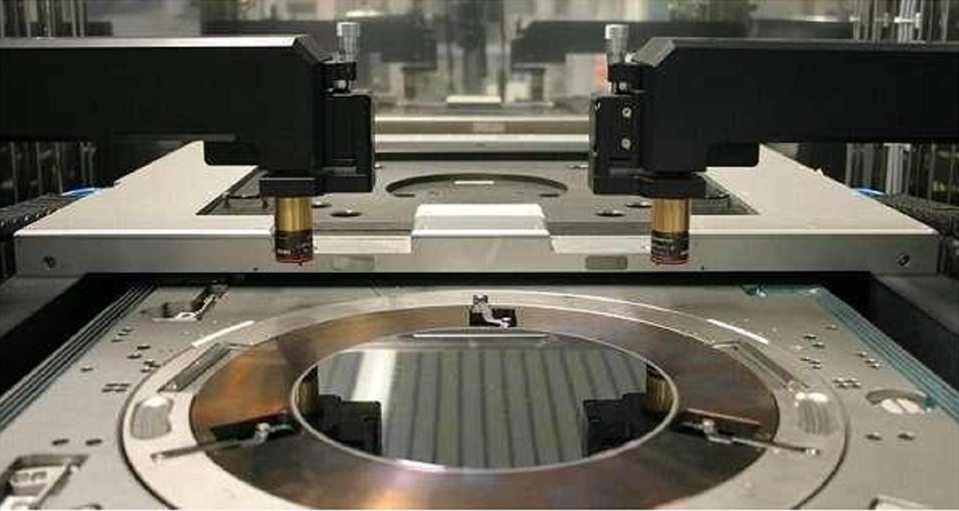
If you’re building out a Smart Fab for Industry 4.0, you’ve probably realized that the old way of heating things just doesn’t cut it anymore. You need something that actually talks to your data systems. That’s why we lean on infrared (IR) systems for clean room benches. Instead of wasting energy heating up all the air in the room—which just makes your HVAC work harder and kicks up particles you don’t want—IR goes straight to the source. It’s direct. It’s clean.
Making Heat “Smart”
To make a production line truly digital, your heating has to play nice with your PLC controls. The great thing about IR lamps is that they react almost the second you change the voltage. We hook these up to PID controllers so you can actually see how the heat is spreading across your bench in real-time. It takes the guesswork out of the process. You know exactly how much thermal energy your wafer or substrate is getting. No more “hoping” the temperature is consistent.
The Trade-off (The Part Everyone Forgets)
Here’s the thing: high-wattage IR lamps are amazing for getting things up to temp fast. But that power comes with a catch. When you cram that much heat into a small bench footprint, things get intense. If you don’t pick the right materials for your chassis, you’re going to have problems. I’m talking about warping or—even worse—outgassing. That’s a nightmare for a clean room. You have to make sure your housing is rated for the peak heat, or you’re just asking for trouble.
Why We Use IR
We usually steer people away from resistive heating for a few simple reasons: First, there’sno contact. Nothing touches your part, so nothing contaminates it. Second, it’sfast. Like, “hit a button and you’re there in seconds” fast. And third, itsaves space. IR arrays are way more compact than those bulky convection ovens. The real magic happens when you wire these into your factory’s digital backbone. You can keep an eye on power draw and see when a lamp is starting to fade. Instead of the whole line crashing on a Tuesday morning, the system just flags the lamp for a quick swap-out before it ever becomes a problem.