
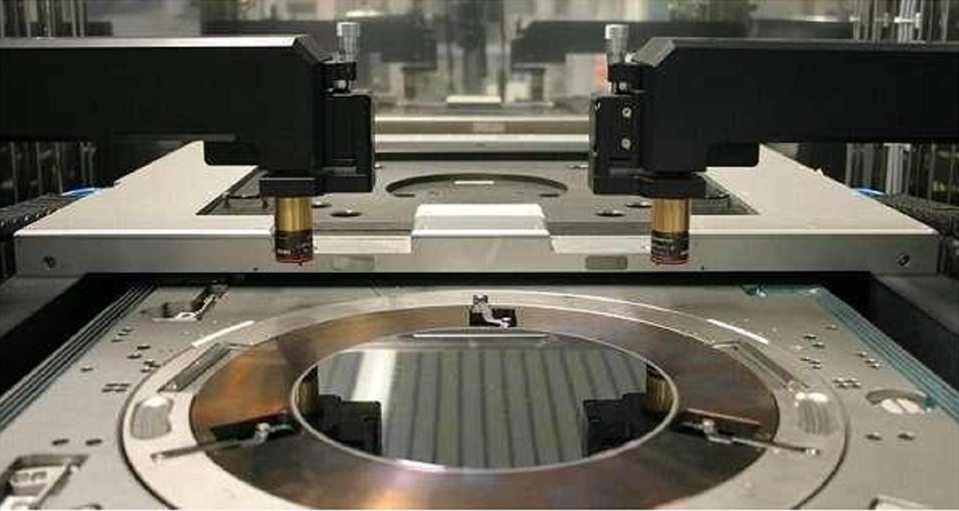
Why Your IR Reflectors Actually Matter for Lead-Free Curing
The semiconductor world is pushing hard toward lead-free and energy-saving standards. For a long time, we relied on convection ovens, but let’s be honest: heating up a giant box of air is a massive waste of power. That’s why we’ve shifted to infrared (IR) curing. It hits the wafer surface directly. But here is the catch—you can’t just throw a lamp in there and call it a day. You need a Reflector that’s actually built for the job. Stop wasting your heat Think about how an IR lamp works. It throws heat in every single direction. Without a reflector, half of that energy is just warming up the walls of your machine. Total waste. We design our reflectors to grab that stray energy and push it right back onto the wafer. This lets us crank up the heat flux without having to pump more wattage into the system. It’s faster. Much faster. And when you hit those curing temperatures quickly, your entire cycle time drops. The materials that actually hold up We aren’t using sketchy coatings. To keep things clean and meet environmental rules, we stick with high-purity aluminum or gold-plated substrates. These materials can take the brutal thermal load of short-wave IR lamps without warping or buckling. We focus on “specular reflection”—which is just a fancy way of saying the light bounces like a mirror. If the light scatters, you get hot spots. And hot spots lead to cracked wafers. Nobody wants that. The reality of the shop floor Now, this isn’t a “plug it in and forget it” kind of upgrade. When you use a high-reflectivity surface, you’re concentrating a lot of heat in one spot. If your cooling fans aren’t up to the task, you’re going to run into trouble. We’ve seen wiring burn out or fixtures warp because the thermal density got too high around the housing. It’s a balancing act. You have to get the focal point and the distance to the wafer exactly right. Moving to IR curing means you can ditch the chemical solvents and shrink the carbon footprint of your cleanroom. It’s the most straightforward way to get your line up to lead-free standards without fighting your equipment every step of the way.