
Stop Letting Burnt-Out Lamps Kill Your Yield
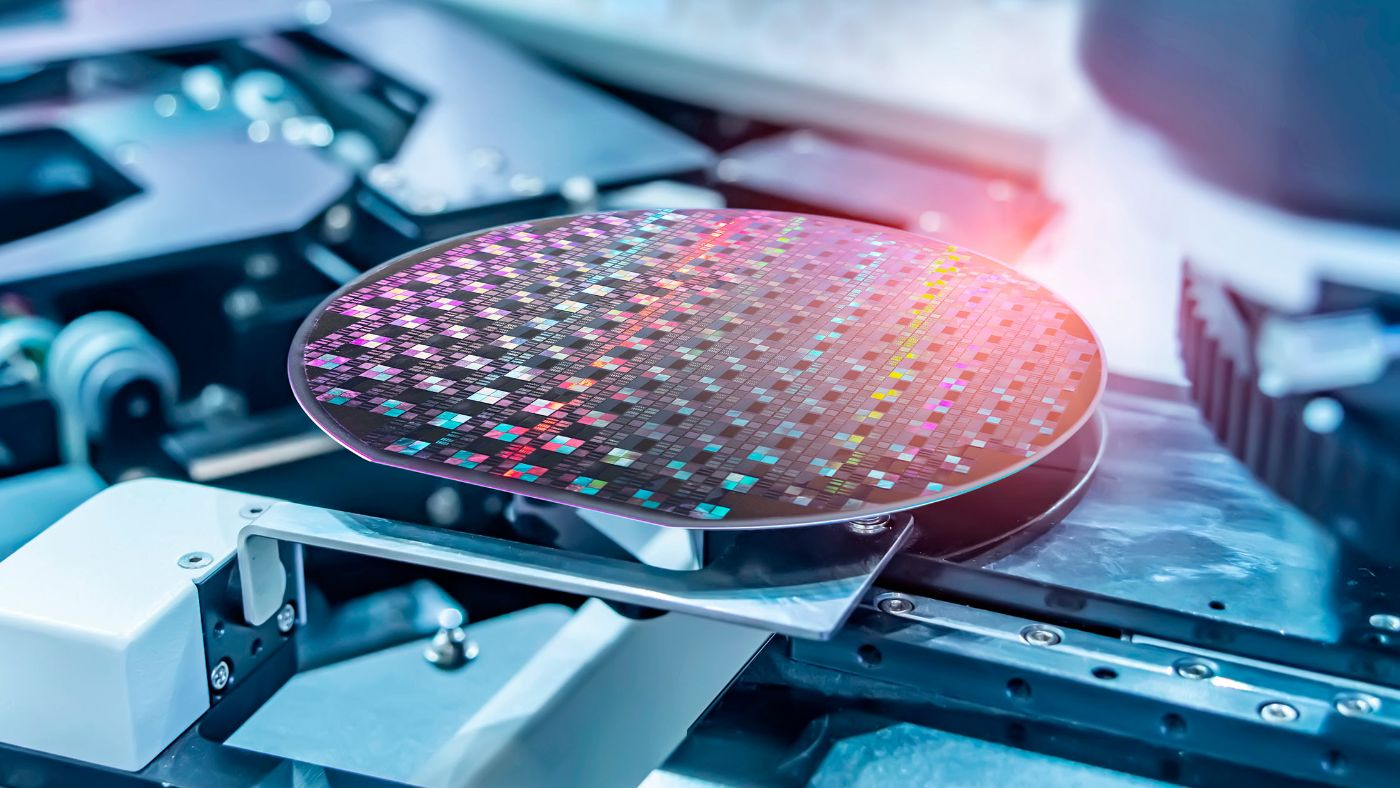
In a high-load fab, a lamp burning out is more than just a nuisance. It’s a nightmare. Imagine a quartz tube bursting right over a silicon wafer. You’ve got glass shards and chemical gunk everywhere. That’s immediate secondary contamination. It doesn’t just slow you down—it kills your yield on the spot. We built our infrared curing lamps specifically to stop that from happening.
Dealing with Heat and the “Pop”
Most lamps fail because of hotspots or thermal shock. It’s basically the glass getting stressed out. To fix this, we use high-purity synthetic quartz. It doesn’t expand or contract wildly when the temperature swings, so the tube can handle rapid cycling without cracking. But the real secret is in the filaments. We center-load them precisely. This spreads the heat evenly across the envelope instead of concentrating it in one spot. Less stress on the walls means a much lower chance of an “explosion.”
Keeping the Mess Contained
We don’t just trust the quartz to do all the heavy lifting. Many of our safety-certified lamps have a secondary containment layer or a special coating. Think of it as a safety net. If the inner tube fails, the outer barrier catches the fragments. Your wafers stay clean, and your day stays stress-free. One quick tip: check your mounting brackets. We use secure-fit connectors so the lamp doesn’t wiggle under vibration. If it shifts, you get friction. Friction leads to cracks. Simple as that.
Making it Work in the Real World
These lamps pack a punch for fast curing, but that power comes with a catch. You’ve got to make sure your cooling manifold is up to the task. If your airflow is too weak, heat builds up around the end caps and the seals can fail. Also, run them through a precision controller. Voltage spikes are filament killers. When you’re swapping these in, just double-check that the footprint matches your current jig perfectly. You don’t want any mechanical tension on the glass. Just slide them in, lock them down, and get back to work.