
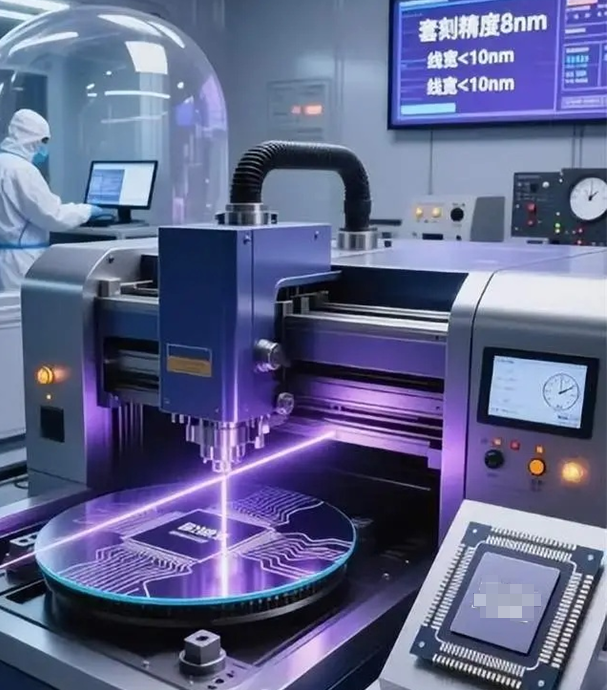
Stop Heating Your Machine Walls
Most heating elements are messy. They just throw heat everywhere, which is a nightmare when you’re building semiconductor tools. You end up with these “hot walls” where the chassis just soaks up wasted energy. It’s a double whammy. You’re wasting power, and your operators are probably dodging burns just to keep the machine running. Not to mention the risk of warping your internal parts. We found a better way: directional infrared (IR) lamps.
How it actually works
Think of it less like a space heater and more like a flashlight. Instead of warming up all the air in the chamber, IR lamps send electromagnetic radiation in a straight line. The heat only hits what it’s aimed at—your wafer or substrate. Everything else stays cool because it’s out of the line of sight. This means you can finally stop over-engineering those massive cooling jackets on the outside of your gear.
Making it work in the real world
Depending on what you need, you can go with short-wave or medium-wave IR to put the heat exactly where it belongs. Pair these with a PID controller, and you’ve got incredibly tight temperature control. The best part? The “touch temperature” of the outer shell drops way down. You stop fighting that constant heat soak that usually makes high-temp chambers such a pain to manage.
The catch (because there’s always one)
Directional heating is a precision game. If your part is off by just a few millimeters, you’re going to see cold spots on your substrate. You’ve got to get your reflectors right to make sure the coverage is even. And a heads-up on the power: high-wattage IR lamps are hungry. Make sure your wiring can handle that initial surge when you ramp up, or you’ll be spending your afternoon resetting tripped breakers. But once it’s dialed in, your equipment walls stop acting like giant heat sinks. You save on the electric bill, and your team can actually work around the machine without worrying about getting burned.