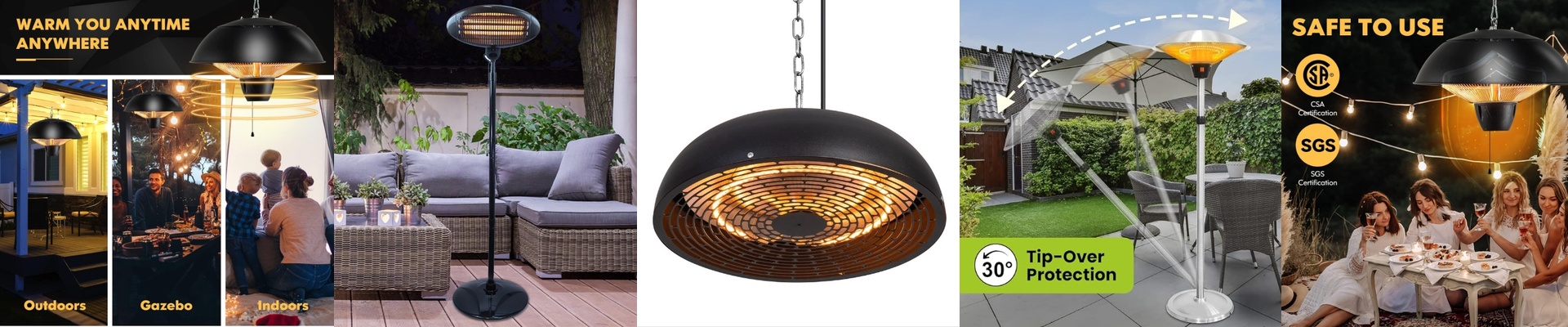
Why IP44 Infrared Heating Actually Makes Sense for Your Bathroom
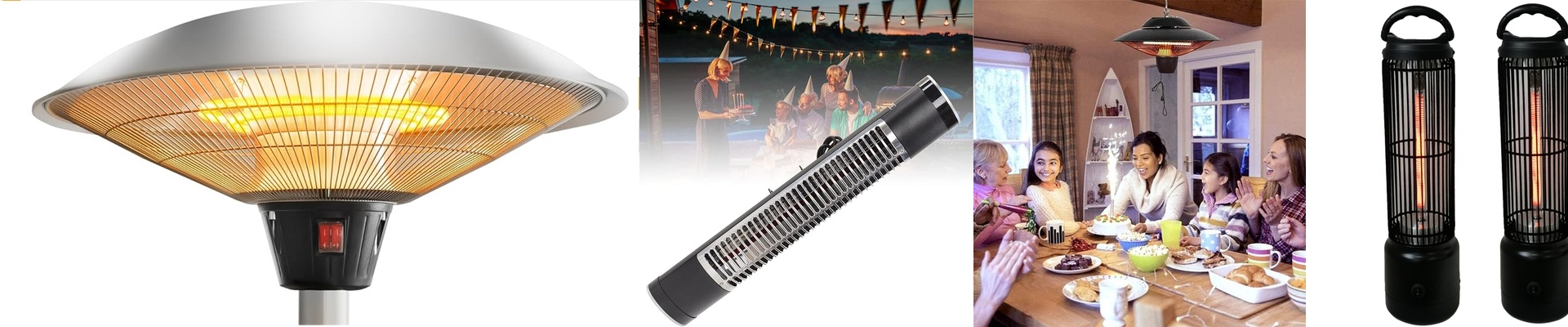
Let’s be honest: those old-school light-bulb heaters are a pain. They try to warm up the air, but in a humid bathroom, they usually just struggle before the filaments eventually give out. That’s why we’ve been moving toward IP44-rated infrared (IR) systems. The difference is simple. Instead of fighting the air in the room, IR waves go straight for you and the surfaces around you. It’s a completely different feeling.
Let’s talk about that “IP44” thing
Bathrooms are basically steam rooms with toilets. You’ve got splashes, mist, and constant humidity. An IP44 rating is just a fancy way of saying the unit can handle it. We build these with sealed gaskets and housings that keep moisture away from the live wires. Without that protection, you’re basically asking for a short circuit or a heater that burns out way too soon. It’s about peace of mind.
Infrared vs. The Old Way
Those traditional heat lamps? They’re just inefficient. Our IR heaters use short-wave radiation. If you’ve never used one, it’s like stepping into a patch of sunlight on a cold day. We use specialized quartz tubes that can handle being turned on and off quickly. You flip the switch, andboom. You feel the heat instantly. No more shivering while you wait for the room to finally warm up.
The Practical Stuff (and the Gotchas)
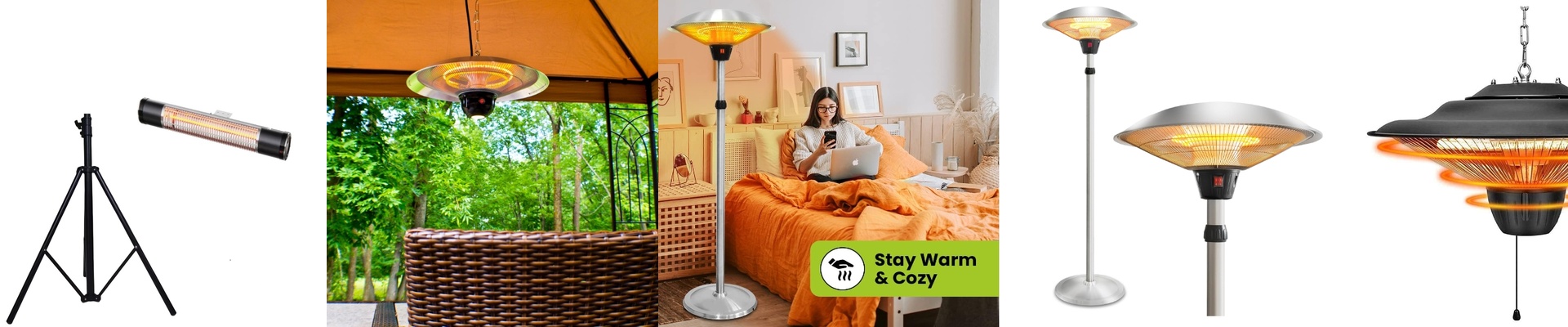
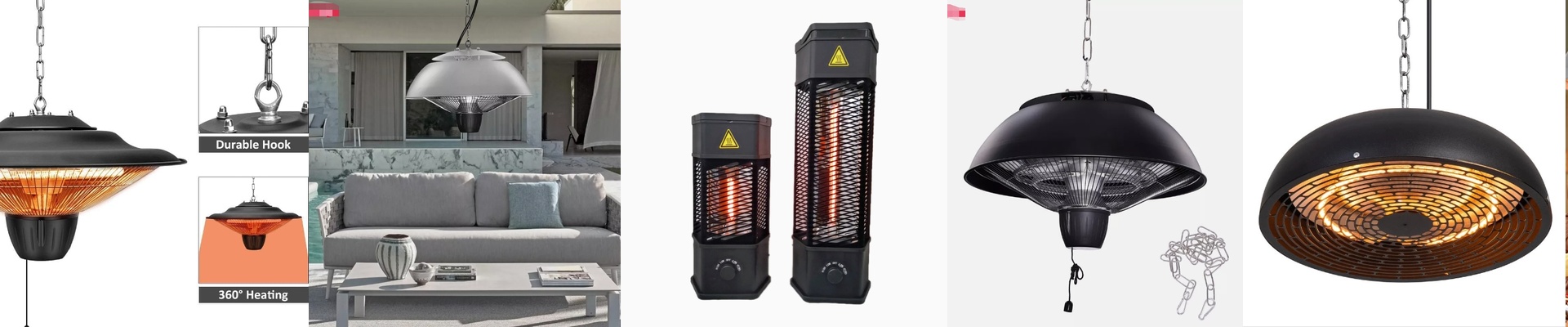
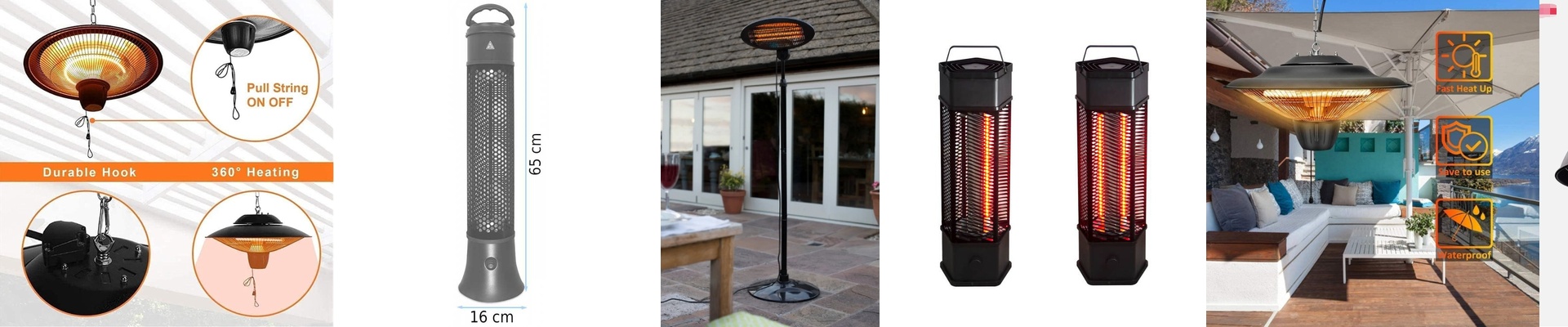
Here is the thing: you can’t just plug these into a cheap extension cord and call it a day. Because these units pull a lot of power to get that intense heat, they need their own dedicated circuit. You’ll want to make sure your electrical panel can actually handle the load before you start drilling holes. And there is one quirk you should know about: “cold spots.” Infrared is directional. If you aren’t standing in the line of sight of the heater, you won’t feel much. It’s not like a space heater that fills the whole room. To fix this, we usually suggest mounting them strategically on the ceiling or wall to cover the areas where you actually spend time. Just be careful with the angle. If you get it wrong, you’ll end up with a warm corner and a freezing shower.