
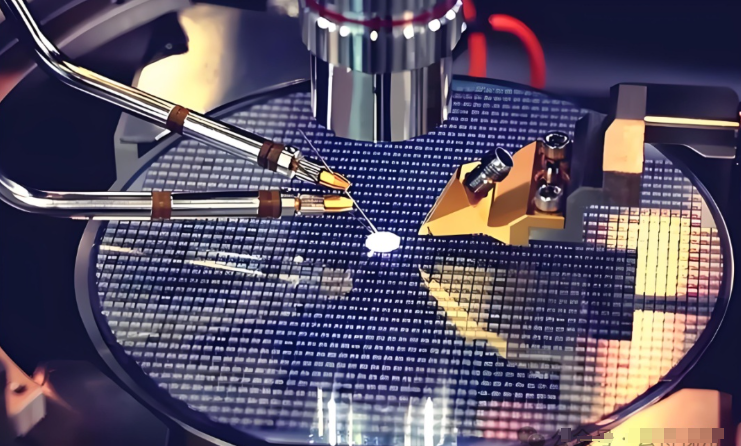
On the wafer floor, a half-degree drift in soft bake or hard bake is enough to shift critical dimensions, leave scum after etch, and bleed yield. We built our infrared lamp socket for wafer tools to hold thermal behavior to the recipe—cycle after cycle. Here’s what matters under the hood. The socket is paired with NIR quartz lamps, dumping heat straight into the wafer stage the way we need it: fast and direct-coupled. Across the bake zone, uniformity stays within ±0.1°C, so the photoresist sees repeatable temperature instead of hot spots. It meets cleanroom Class 1–100 by keeping particles under control: nothing that outgasses in the hot zone, sealed junctions, and a ceramic body that won’t flake. The electrical interface is built for high current and low contact resistance, so lamp power stays stable even on 24/7 duty. Output stays flat for 5,000+ hours, dropping less than 5%. That means the thermal budget in lithography—and in the subsequent etch steps—doesn’t drift on you. In lithography, the socket keeps the soft bake profile honest: solvents leave without skinning the resist. In hard bake, it delivers the exact thermal dose for adhesion and etch resistance, cutting down footing and line-edge roughness. Wafer-to-wafer repeatability translates into fewer rework lots, less scrap, and a cycle time you can plan around. Energy use drops, too—lamp heats on demand, ramps fast, and standby losses stay minimal. A couple of practical notes. The socket needs a matched lamp and the right tool-specific mounting footprint, so verify voltage, current, and mechanical clearance before you install. Tighter thermal windows show up on very thin resist stacks—even a small overshoot can change flow. In high-humidity bays, schedule preventive checks to keep connector integrity and thermal contact consistent.