
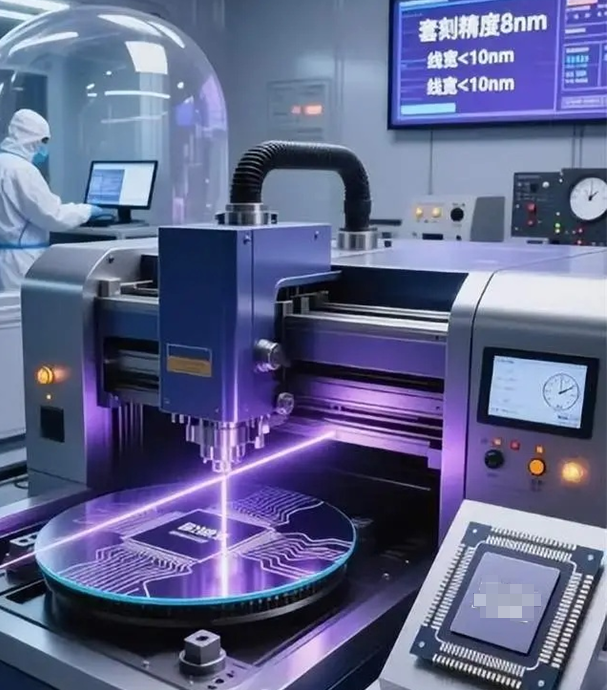
Stopping the “Hot Wall” Problem in Sensor Packaging
If you’ve ever worked with smart sensor packaging, you know the struggle. Getting the part up to temperature is the easy part. The real nightmare? Stopping the rest of your machine from turning into an oven. Most standard IR lamps just throw heat everywhere—a full 360-degree blast. When you’re working in a tight space, all that wasted energy slams right into the inner walls of your equipment. Before you know it, you’ve got “hot walls” that can warp your internal parts or, worse, give an operator a nasty burn.
How to actually aim your heat
We deal with this by using directional infrared tech. Think of it like switching from a lightbulb to a flashlight. Instead of just using a bare quartz tube, we use specific reflectors and coatings to push the energy in one direction. We narrow the beam, focusing all that thermal energy right onto the sensor substrate. It makes a huge difference. You stop heating the air and the chassis, and you start heating the part. Simple as that.
The catch (and how to handle it)
Now, there’s a trade-off. Because you’re concentrating the heat, the “sweet spot” is much smaller. If your part is even slightly off-center, you’re going to end up with cold spots or uneven heating across the wafer. You can’t just “wing it” with the placement. Your mechanical jigging has to be spot on. But the payoff is worth it. You can crank up the wattage to get the job done faster without worrying about the cabinet temperature spiking.
Making it safer for your team
This isn’t just about saving on the power bill. It’s about the people running the machines. When the walls stay cool, maintenance becomes a lot less stressful. No one has to worry about contact burns during manual loading or quick repairs. For those of you running legacy systems where the outer shells get dangerously hot, this is a pretty easy way to fix that. If you’re setting this up, wire your lamps into a PID controller to keep things steady. And just a heads-up: make sure your cooling fans are beefy enough to handle that concentrated heat at the target site.