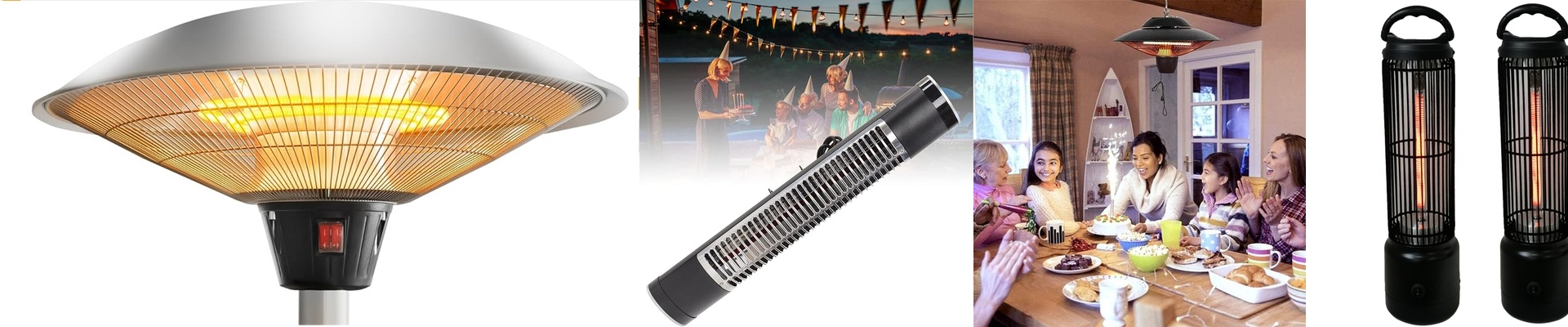
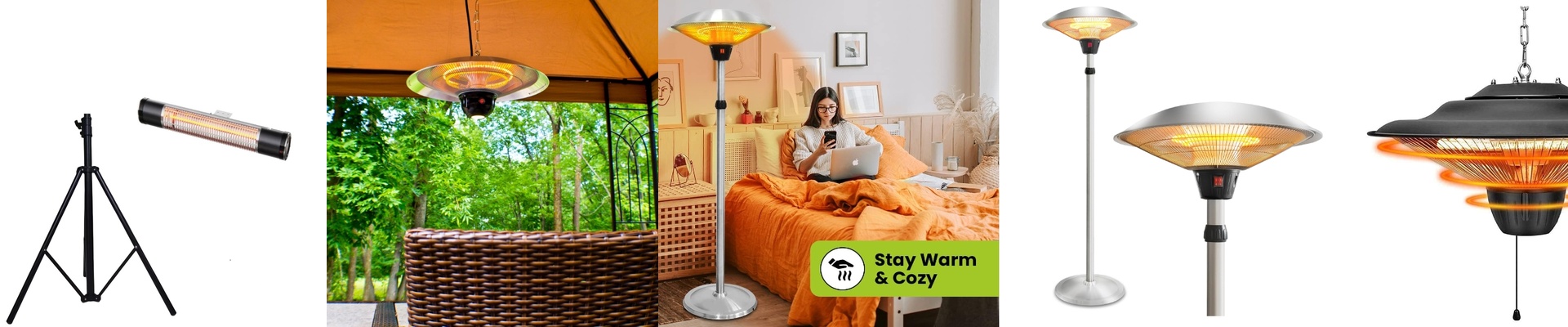

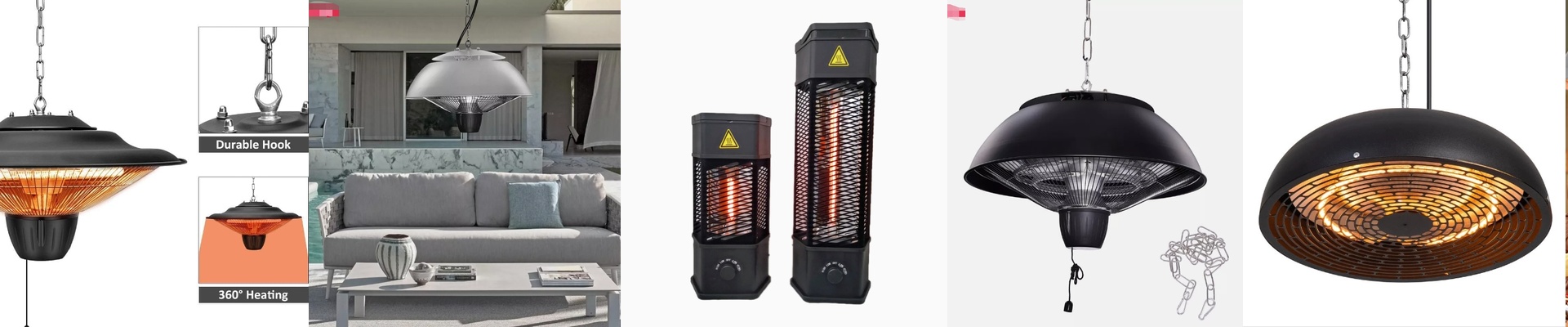
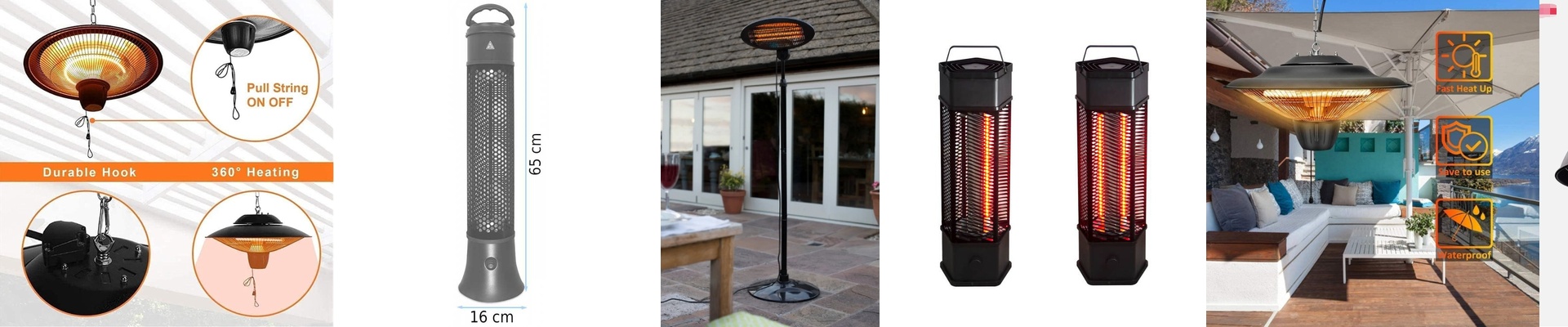
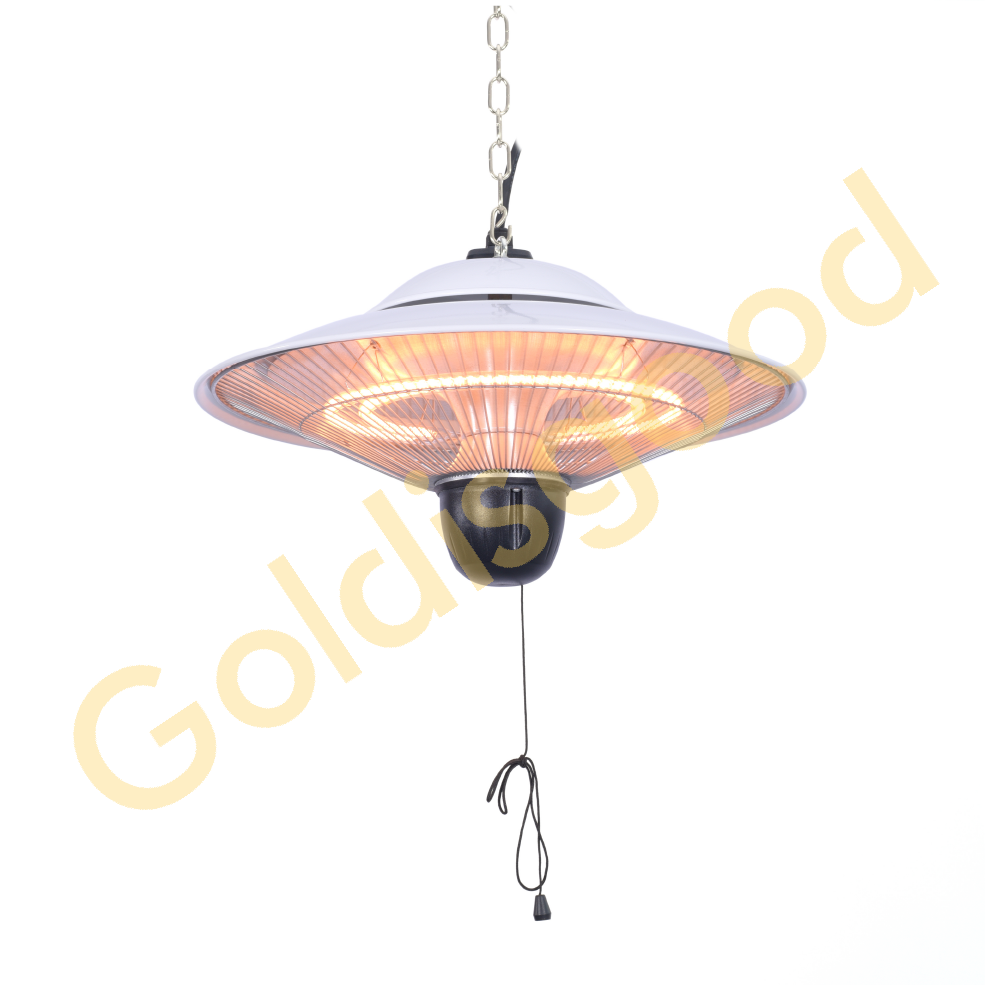
When evening settles on the patio, the air turns sharp and your family naturally pulls closer—not just for company, but for warmth. A standard heater warms the air, but the breeze steals it. Infrared warmth is different. It hits people and surfaces directly, so the comfort lands where it matters: in your body, not just in the air around you.
What Matters Technically
A standing patio heater built around infrared technology uses a radiant element—usually a quartz tube or a carbon fiber filament—to produce short- and medium-wave infrared. That light energy travels outward and gets absorbed by skin and clothing, which is what gives you that gentle, penetrating warmth. In practice, you feel heat within seconds of switching it on. No waiting around for the whole outdoor space to warm up. We build these as electric patio heaters because outdoor outlets are common and the heat output is easy to control. Many models run on 120V or 240V, depending on the region and how much coverage you need, and a built-in thermostat keeps comfort steady instead of swinging between too hot and too cold. For safety, look for tip-over protection and an IP rating suitable for covered outdoor areas.
Why It Works Here
Outdoor living is about staying outside longer without getting uncomfortable. With infrared radiant heat, the warmth lands on you—so you can read, talk, or play a game without shivering. That direct warmth also supports healthy circulation: the gentle penetration encourages blood flow to extremities, helping muscles relax and making the experience feel genuinely restorative. Because the heat is directional, you don’t have to heat the entire yard. Energy stays focused on the spots you actually use, which can make evening sessions feel less wasteful.
Things to Know
Infrared patio heaters perform best in covered or partially sheltered spots where wind and rain are limited. They warm people and objects, not the open air, so very gusty conditions can cut down on the perceived warmth. Place the unit so the beam covers seating, keep proper clearances around the heater, and make sure the plug and cord are rated for outdoor use. For the strongest comfort and circulation support, position the heater so the infrared warmth reaches legs and torso evenly.