
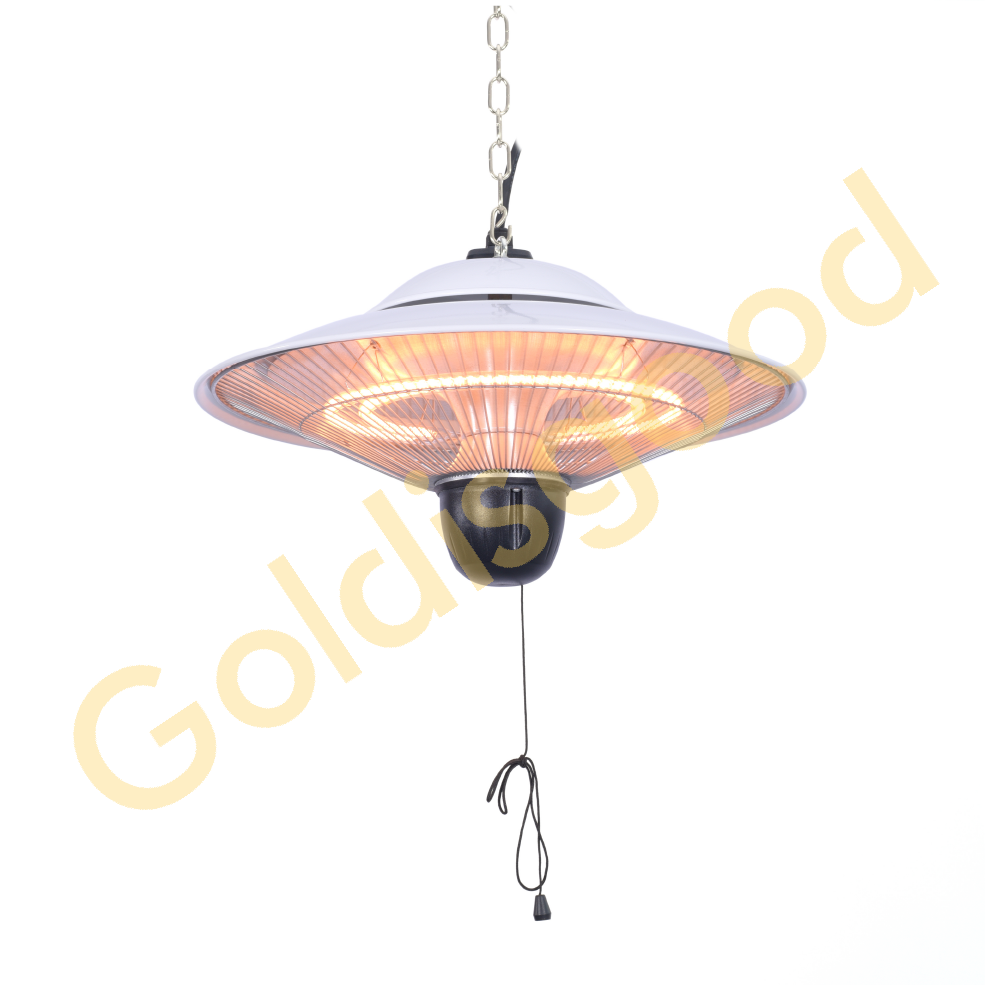
Stop Your High-Ceiling Heaters From Burning Out
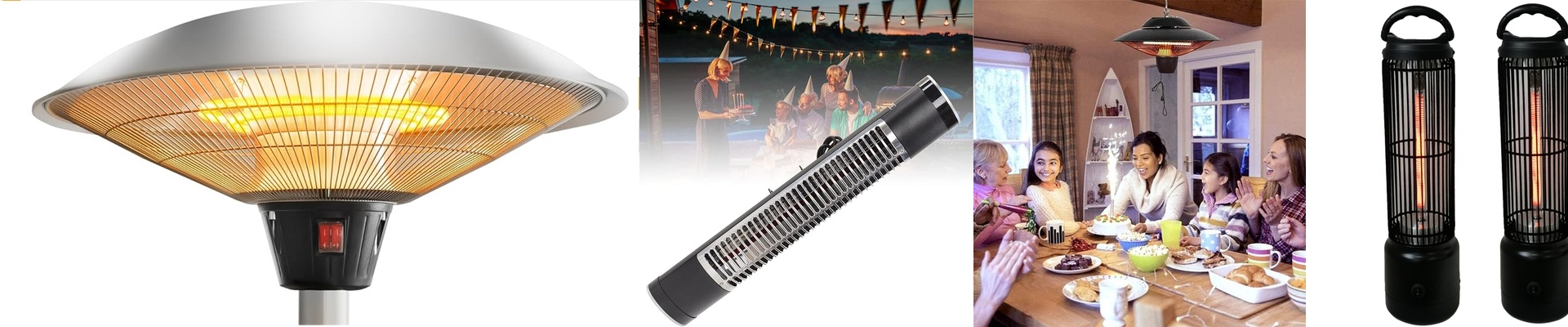
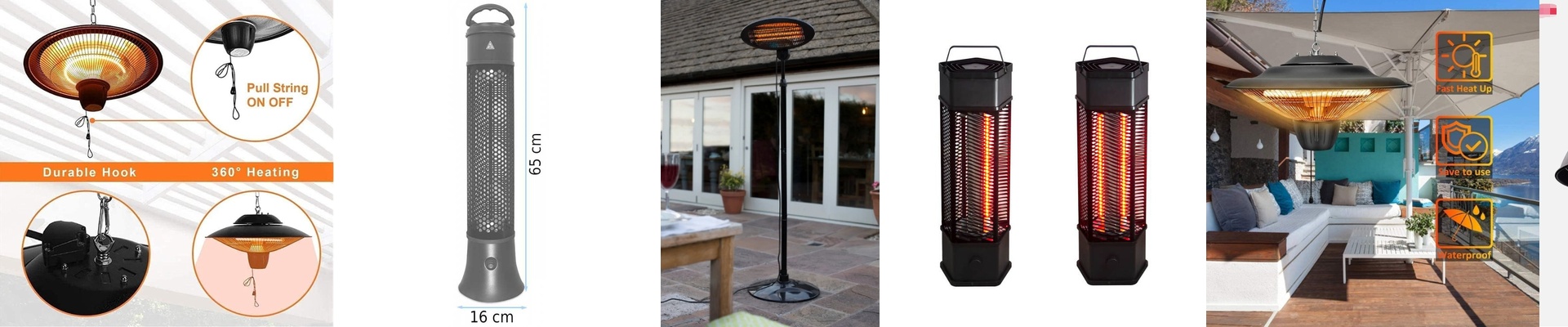
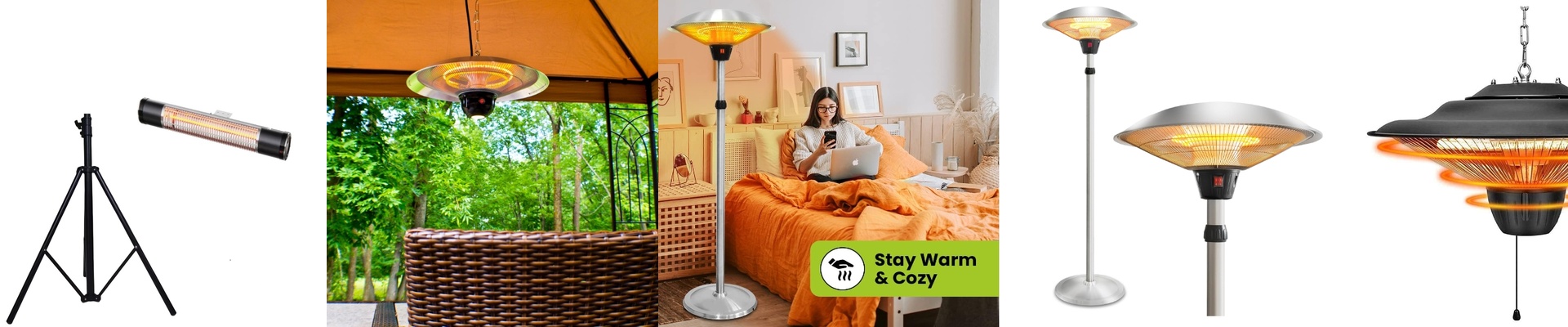
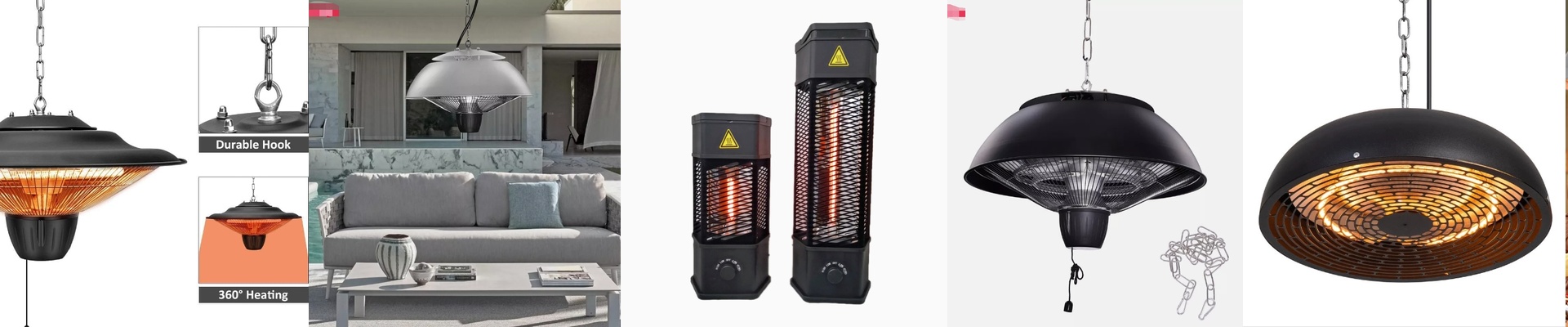
If you’ve ever run a warehouse or an open industrial bay, you know the drill. It’s damp, it’s gritty, and things just seem to break faster than they should. High-ceiling infrared heaters are usually the first to go. Between the humidity and the random water splashes, those heating elements get chewed up. We got tired of seeing these units fail prematurely, so we built ours to actually handle the mess.
Why moisture kills your heat
Here is the problem: when a quartz tube gets screaming hot, any little bit of condensation on the glass creates a “cold spot.” It sounds minor, but it causes the glass to expand unevenly. Eventually, the glass cracks or the filament just snaps. It’s a pain. To fix this, we added an anti-fogging layer and a sealed housing. It keeps the moisture away from the element so the heat stays steady across the whole tube. No cold spots, no cracks.
Dealing with splashes
Water and electricity are a terrible mix. One leak from an overhead pipe or a bit too much spray during a wash-down, and you’ve blown a fuse. Most heaters fail right where the wiring enters the chassis. That’s why we obsessed over the gaskets and reinforced the seals around the electrical junctions. We made them splash-proof because we know these things take a beating in the real world.
A couple of things to keep in mind
Now, there’s a trade-off. Because we sealed things up so tight, there’s less natural airflow around the outer casing. Just make sure you give your mounting brackets the clearance we recommend. If you cram them too close to a wall or ceiling, the housing can overheat. And a quick heads-up on the power side: these seals can stop a splash, but they can’t stop a power surge. If your voltage is jumping all over the place, the heater is still at risk. Just double-check that your power supply is rated for the total wattage of your setup. We built these to survive the damp and the dirt, but they still need clean power to keep running for years.