
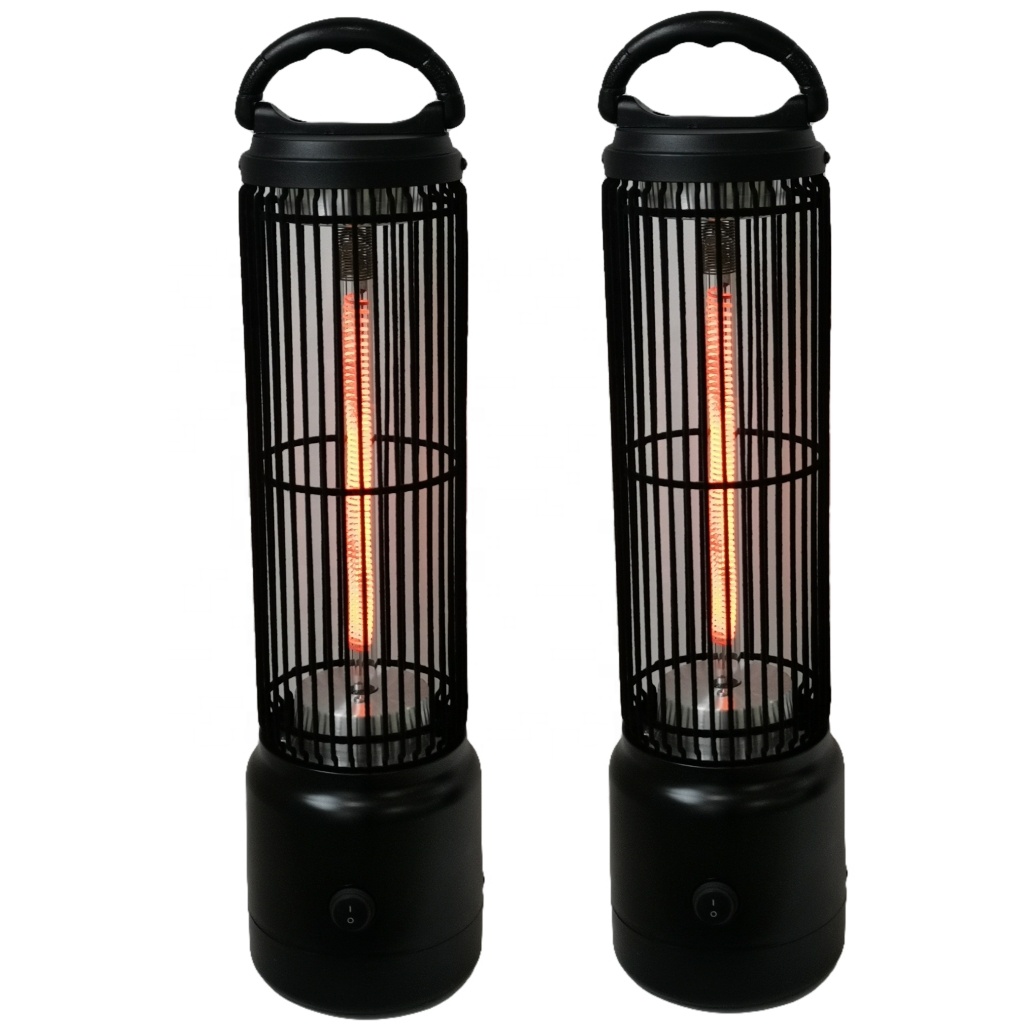
Stop using lamp warmers in your bathroom
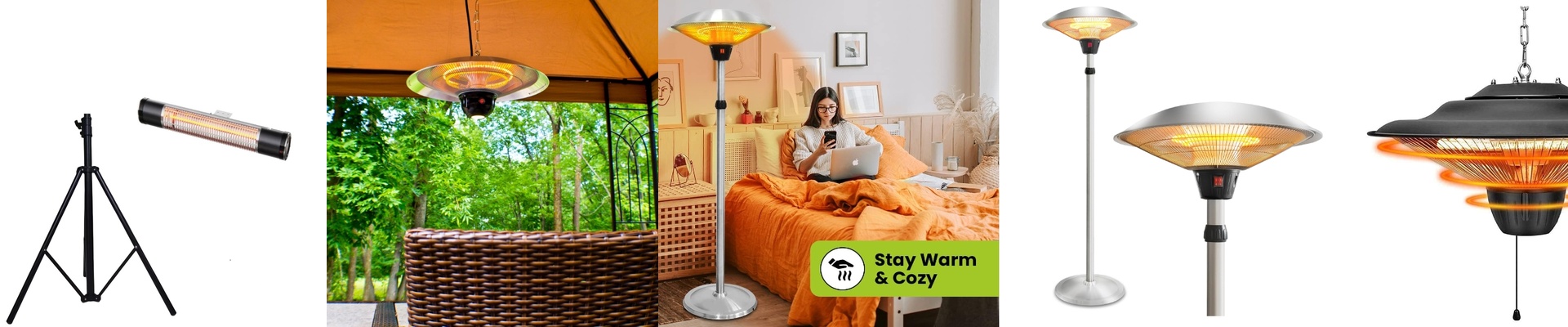
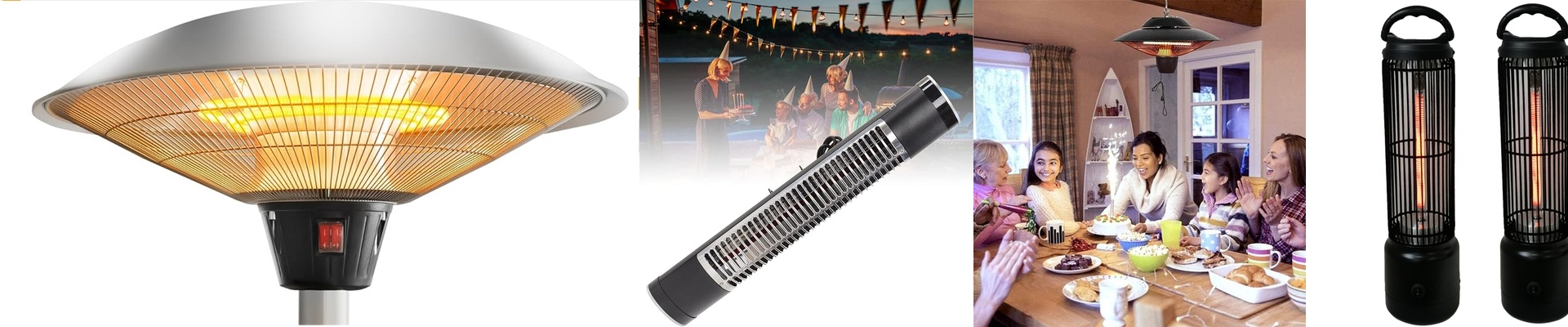
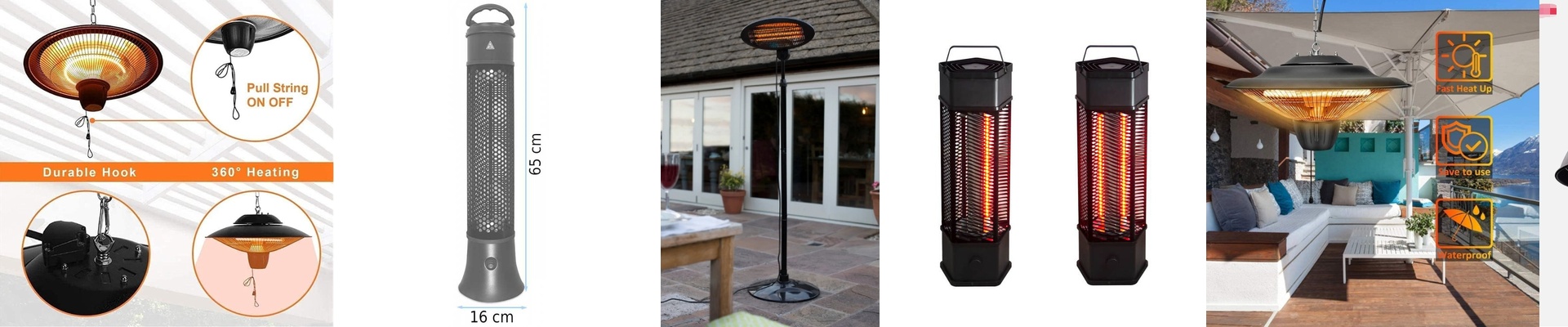
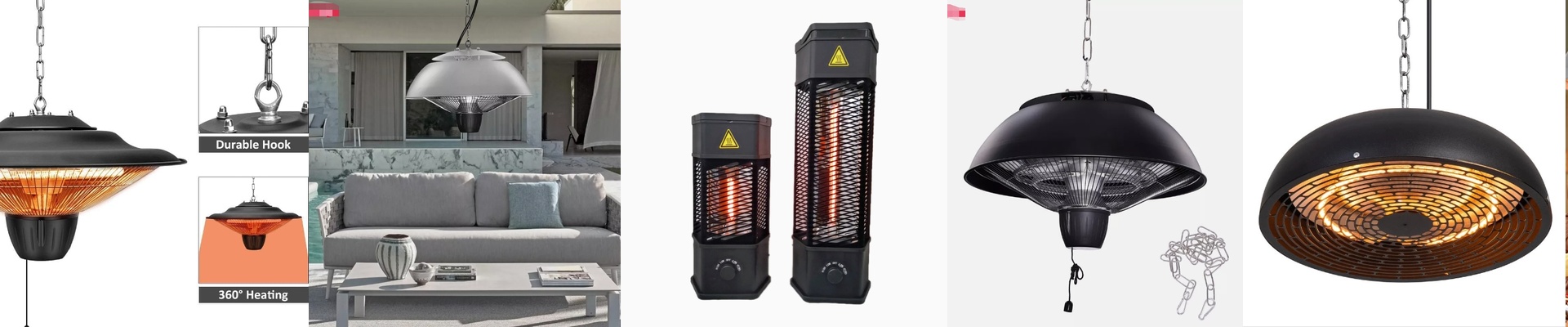
Let’s be honest: those standard lamp warmers usually aren’t cut out for the bathroom. They just aren’t sealed well enough to handle the steam. That’s why we’ve been moving toward ceiling-mounted infrared heaters with high waterproof ratings. It just makes more sense. Why infrared actually works Most heaters try to warm up the air. But in a bathroom, that warm air just floats straight to the ceiling, leaving your feet freezing on the tile. Infrared is different. It sends out waves that hit you and your surroundings directly. You feel the heat the second you turn it on. No waiting around for the room to warm up. It’s instant. The deal with waterproofing Bathrooms are basically steam rooms. If you use a cheap heater, that moisture gets inside and causes a short circuit. Simple as that. We look for high IP ratings because they mean the housing is actually sealed. The electrical parts are tucked away where water can’t reach them. If you skip this and put in a non-waterproof unit, the internals will corrode. You’ll be lucky if it lasts a few seasons before it burns out. The tricky part of the design Here’s the catch: when you seal a unit tight to keep water out, you trap heat inside. If you aren’t careful, the internal wiring can actually melt. To fix this, we use heat-resistant materials and a specific kind of venting. It lets the heat escape from the electronics but keeps the water from leaking in. It’s a delicate balance. A heads-up on installation Don’t make the mistake of thinking you can just swap a light bulb for one of these heaters. These units pull a lot more power. You need to double-check your circuit breaker and the thickness of your wires. If the wiring is too thin, you’ll get a voltage drop—meaning the heater won’t get as hot—or you’ll just keep tripping the breaker. Tell your contractor to wire it for the actual wattage of the heater, not the light it’s replacing. It’ll save you a massive headache later.