
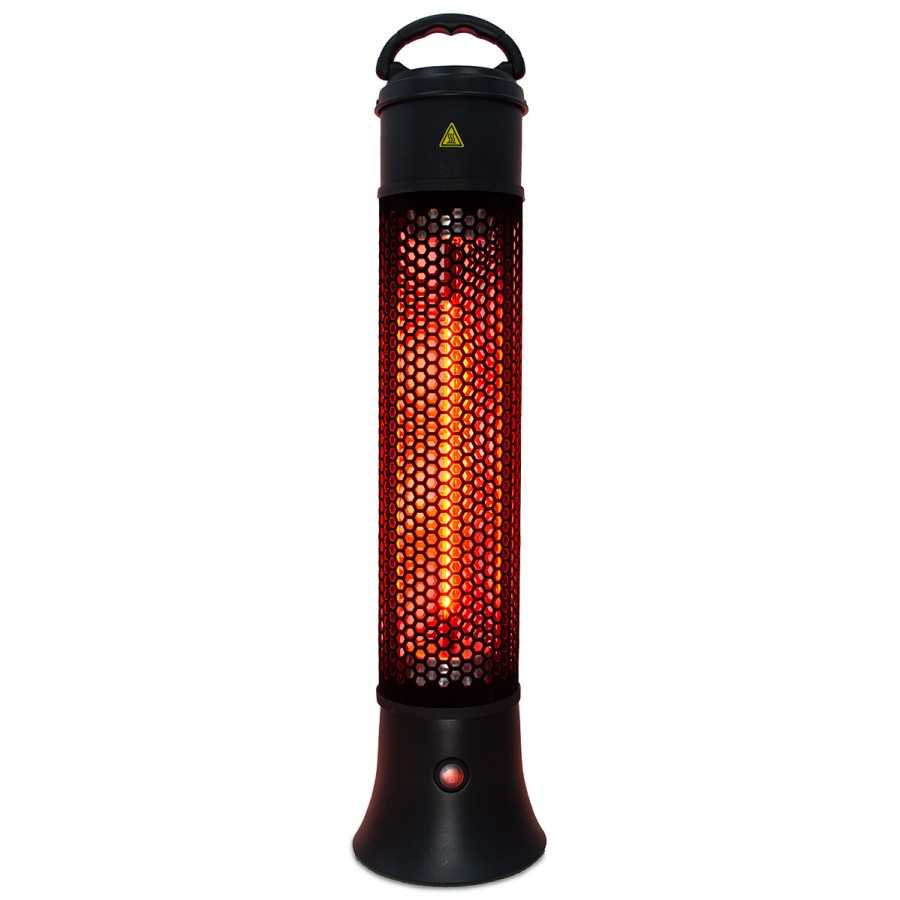
Why we put our bathroom lamps through hell (and why it matters)
Bathrooms are honestly a nightmare for heating elements. Think about it: you’ve got thick steam, crazy humidity, and temperatures that swing from freezing to boiling in minutes. If a lamp isn’t built for that, it’s doomed. The seals give out, moisture sneaks into the quartz tube, and the filament just… snaps. It’s frustrating for the customer and a headache for you. That’s why we don’t just “hope” they work. We use damp-heat aging tests to find exactly where the lamp breaks before it ever leaves our floor. The battle against moisture Here is how it actually happens. Most infrared heaters use tungsten filaments inside a quartz tube. The danger zone is the seal where the wires enter the glass. In a steamy bathroom, water vapor doesn’t just sit there—it crawls through those seals. Once a tiny bit of moisture hits that white-hot filament, it causes oxidation. The metal thins out, a hot spot forms, and pop. To stop this, we throw our lamps into chambers that mimic the worst-case scenario. We cycle high heat and heavy humidity over and over to force them to fail. If even 2% of a batch fails? We toss the seal design and start from scratch. Finding the sweet spot It’s a bit of a balancing act. You want a seal that’s tight enough to keep water out, but flexible enough that it doesn’t crack when the glass expands from the heat. If it’s too tight, the glass snaps under the pressure. Too loose, and the steam gets in. We spend a lot of time tuning the compression of those glass-to-metal seals so they stay airtight without putting too much stress on the quartz. No more warranty nightmares At the end of the day, this is about reliability. You don’t want to be dealing with a wave of warranty claims because a bunch of lamps died three months into winter. While we test, we keep a close eye on “resistance drift.” If the resistance climbs, the heat drops, and the lamp becomes useless. We only ship the units that stay rock-solid throughout the entire cycle. It means when you install these, they just work. No flickering, no premature burnouts. Just steady heat.