
Stop Fighting Bathroom Mold With a Better Kind of Heat
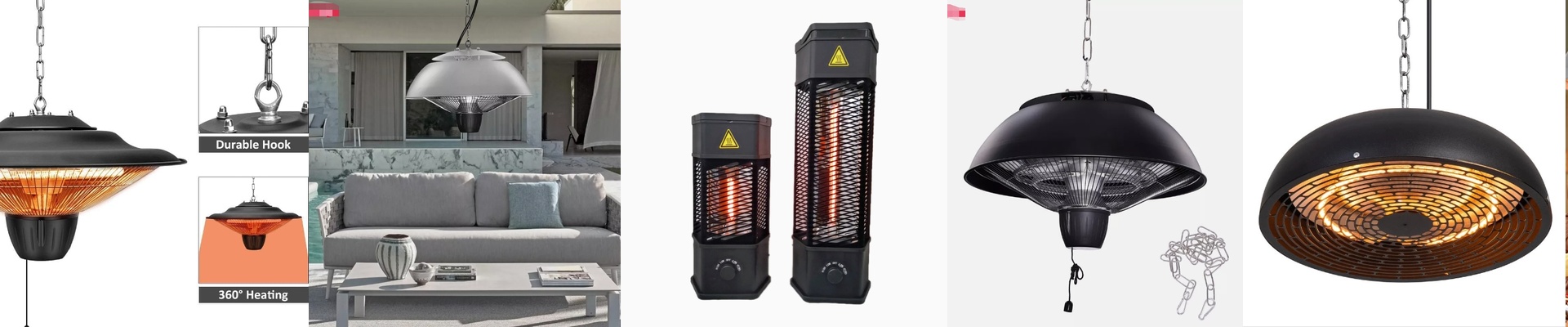
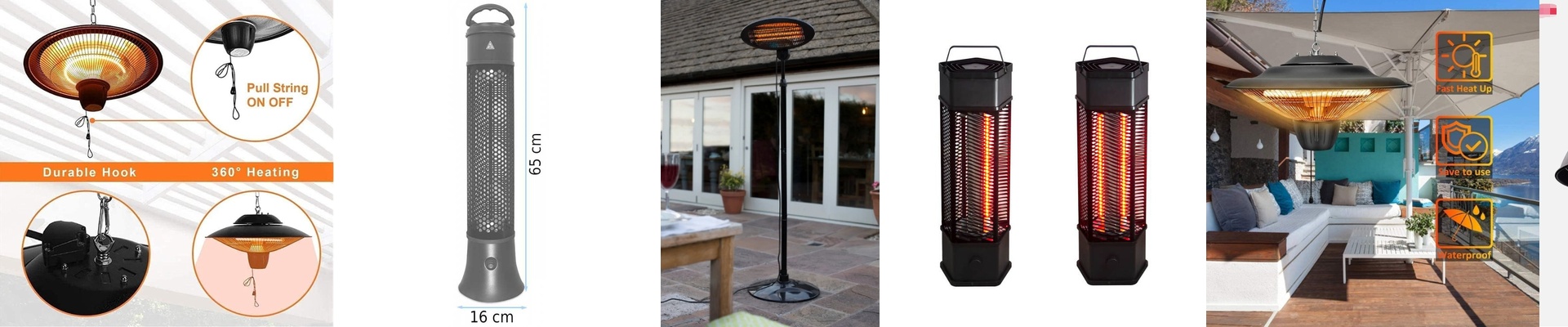
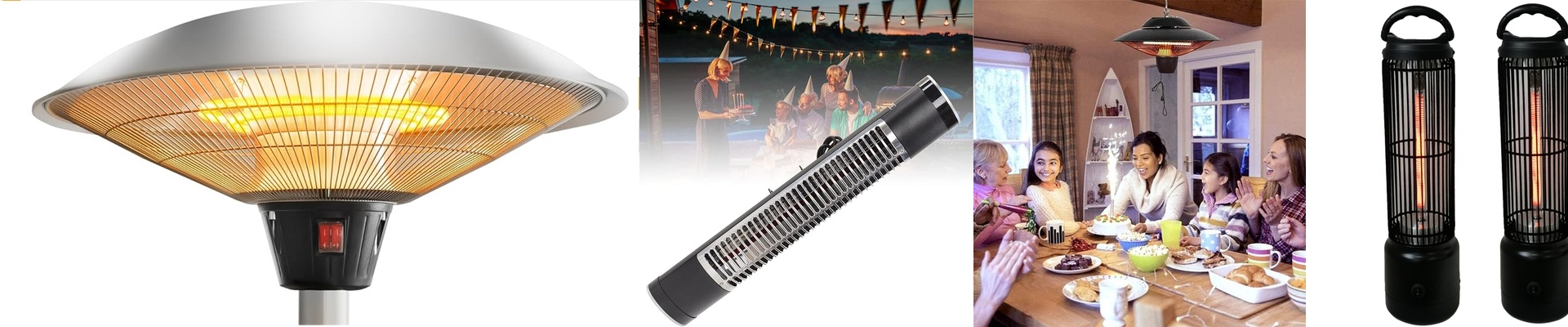
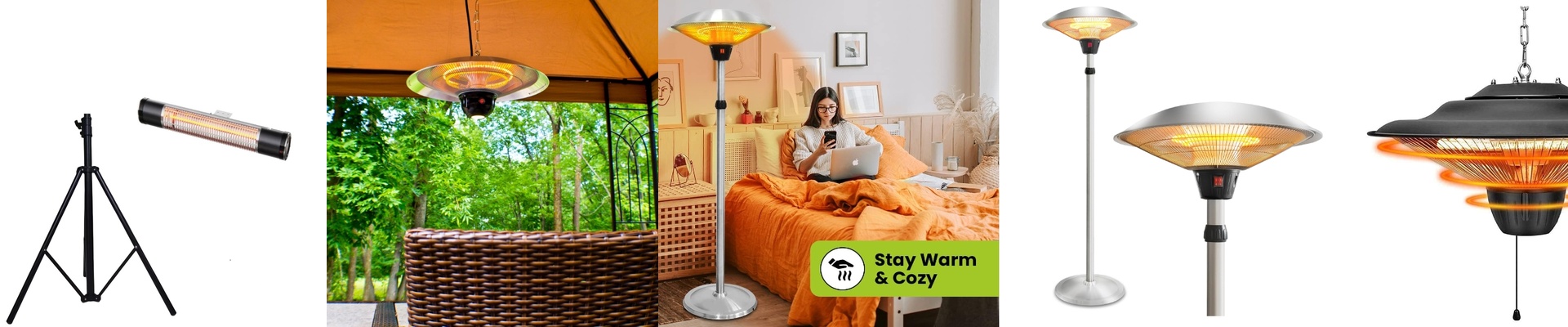
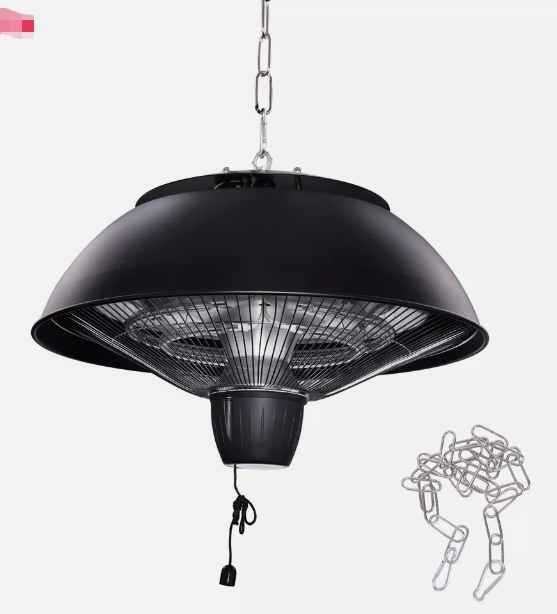
Most of us think of those ceiling heaters as a luxury—something to keep you from shivering when you step out of the shower. But there’s a much cooler reason to have one. We use short-wave infrared (SWIR) emitters in these lamps. Now, that sounds like a science textbook, but here’s what it actually does: it doesn’t just warm up the air. It goes after the surfaces where mold loves to hide. The problem with regular heaters You know how a normal heater warms the air, but your tiles still feel ice-cold? That’s where the trouble starts. The warm air hits those cold walls, creates condensation, and suddenly you’ve got a damp mess. Our infrared lamps work differently. They send out radiation that sinks right into the surface of your walls and ceiling. It basically shakes the water molecules until they turn into vapor and vanish. By keeping the surfaces warm, the water never has a chance to settle. No standing water. No mold. Simple as that. Moving the moisture Think of these lamps as a secret helper for your ventilation. Because they use specific wavelengths to speed up evaporation, they actually push the moisture away from those gross, damp corners and straight toward your exhaust vents. It’s a much smarter way to dry out a room. A quick heads-up on the tech If you want the fastest results, high-wattage quartz tubes are the way to go. But you can’t just crank them up to eleven. If the wattage is too high for a small room, you could overheat the fixture. To keep things safe, we suggest using a timed controller. It stops the ceiling from getting too hot and does the job perfectly without any guesswork. At the end of the day, you aren’t just making the room cozy. You’re using light to move water out of your house, leaving you with a dry room and a lot less scrubbing.