
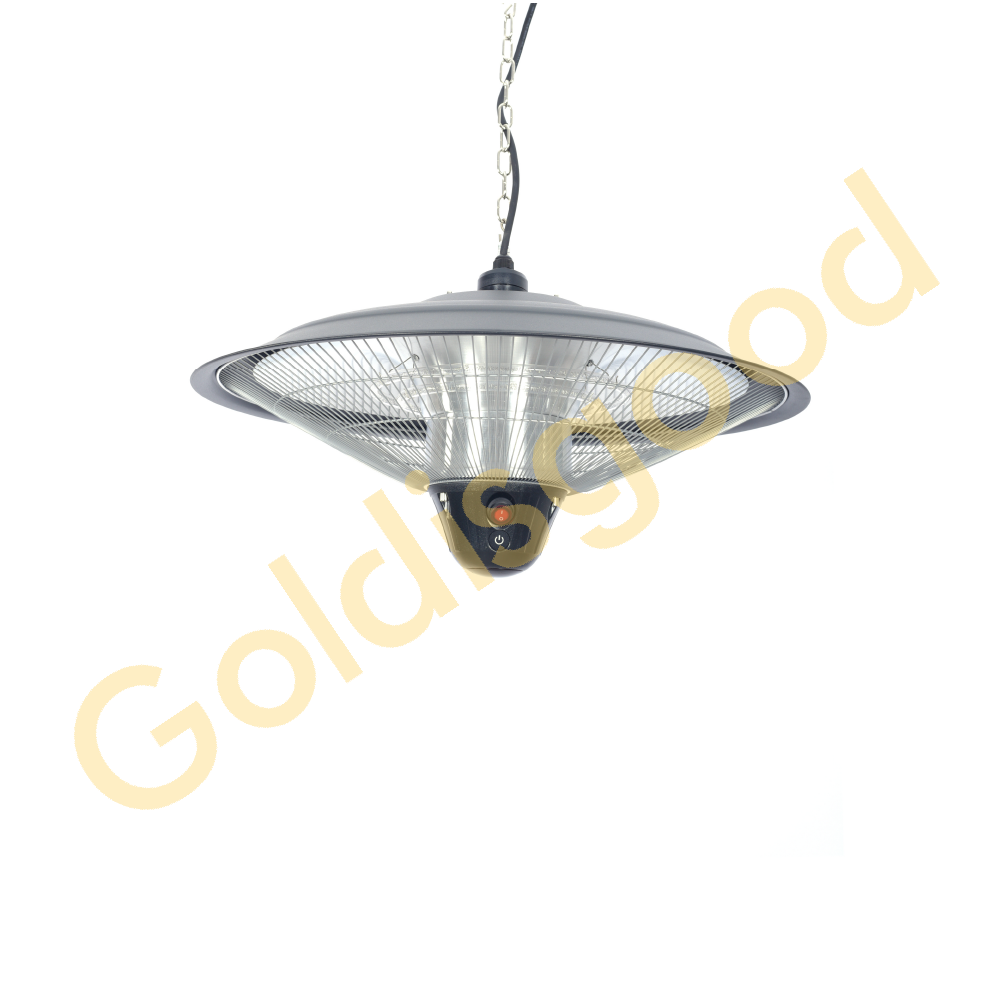
Why we put our bathroom heaters through the “steam torture test”
Let’s be honest: bathrooms are a nightmare for electronics. You’ve got thick steam, constant humidity swings, and the occasional stray splash of water. It’s a recipe for disaster. If a heating lamp isn’t sealed perfectly, moisture creeps into the terminals. Then comes the oxidation, the short circuits, and eventually, a dead heater. Nobody wants to deal with that. So, instead of just hoping for the best, we push our products to the breaking point before they ever leave our sight.
The battle against moisture
Here is how it actually happens. When the bathroom is cold, condensation clings to the heater. Then you flip the switch, the lamp glows red-hot, and that water evaporates in a flash. That cycle—cold and wet to scorching hot—is brutal on the quartz glass and the wiring. To make sure they can handle it, we toss our batches into high-humidity chambers. We’re talking 85% humidity at high heat for days on end. We call it “accelerated aging.” Basically, we’re trying to force a failure. We look for tiny pinholes in the coating or any weak spot where the wire meets the lamp. If it’s going to break, we want it to break in our lab, not in your customer’s house.
Testing for the long haul
It’s easy to make a lamp that works for ten minutes in a clean room. The real trick is making sure it still works after a year of daily showers. We keep a close eye on the insulation and resistance levels the whole time. If the insulation dips even a little? It’s a fail. We also watch out for “glass clouding.” That’s when moisture reacts with the quartz and makes it foggy, which kills the heat output.
The balancing act
Now, you might think, “Just seal it tighter!” But there’s a catch. If the seal is too tight, the glass has nowhere to go when it expands from the heat. It’ll just snap. It’s a delicate balance. We tweak the tension so the seal keeps the steam out, but gives the lamp enough room to breathe when it hits full power. Designing for a bathroom means assuming the worst possible conditions. Because that’s exactly what happens in there.