
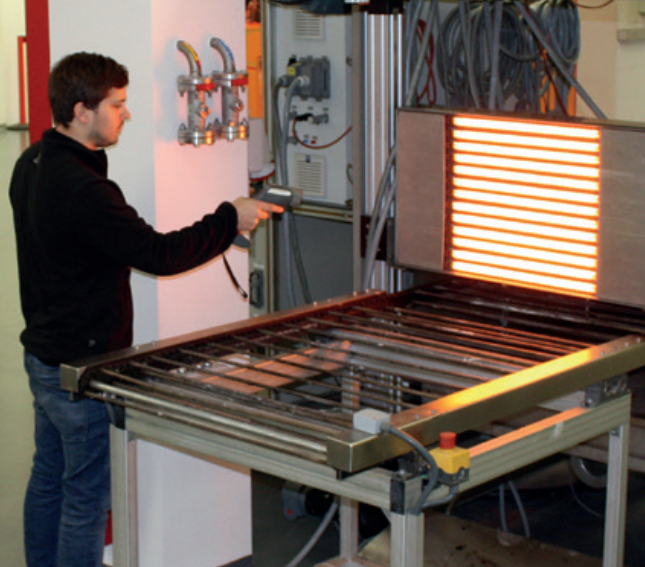
Stop Wasting Heat on Your Bio-Sensor Gear
Making bio-sensors takes a lot of precise heat. But if you’re using standard infrared lamps, you’re probably wasting a ton of it. Think about it: regular lamps throw heat in every single direction. It’s a 360-degree blast. Most of that energy isn’t even hitting your target—it’s just baking the inside of your semiconductor equipment. Not only is that a waste of power, but it turns your machine into a giant radiator. That’s a safety nightmare for whoever has to work around it. We handle this by using directional infrared tech. How it actually works Most quartz tubes just radiate heat everywhere. We do things differently. By using specific reflectors and coated emitters, we squeeze that infrared energy into a tight, narrow beam. Instead of the equipment chassis soaking up all that stray radiation, the heat goes exactly where it belongs: straight onto the substrate. You get the temperature you need on the wafer without turning the rest of the machine into a heat sink. Keeping things cool (and safe) This makes life a lot easier for your cooling system. If you’re cramming high-wattage lamps into a small space, the air inside that chamber can get scary hot, fast. Directional heating keeps the “hot zone” isolated. It’s a huge relief for your technicians. They don’t have to worry about getting burned the second they open an access panel for maintenance. The catch Now, this isn’t a magic wand. There’s a trade-off. Because the heat is so concentrated, you have almost zero room for error. If your mounting bracket is off by even a few millimeters, you’ll end up with hot spots on your substrate. One tiny slip and you’ve ruined the whole batch. You’ve got to be obsessive about your jigging and alignment tools. The beam has to hit the target dead-on. Plus, since these beams transfer energy way faster than the old-school lamps, I’d suggest using a PID controller. It’ll help you manage the ramp-up speed so you don’t overshoot your target.