
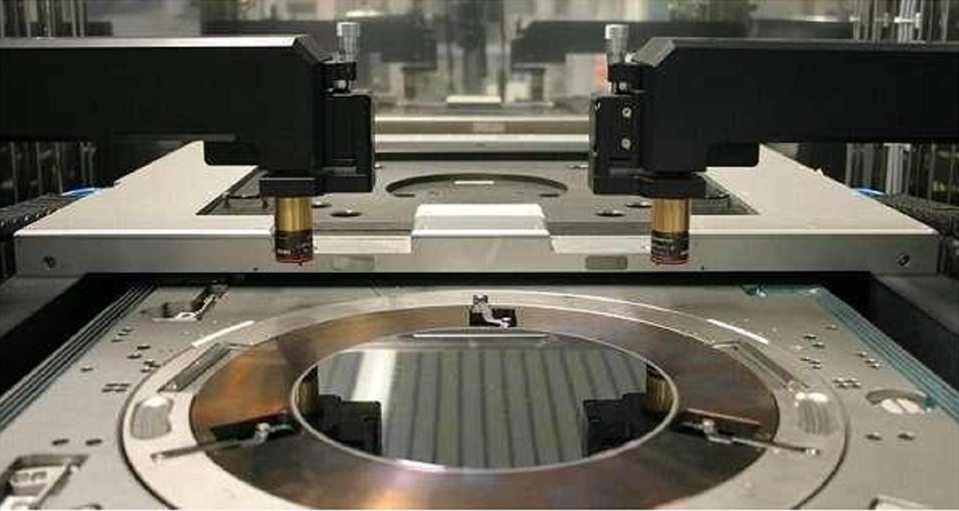
Stop Heating Your Machine and Start Heating Your Sensors
When you’re building bio-sensors, you want the heat hitting the substrate. Period. You don’t want it hitting the walls of your machine. The problem is that standard IR lamps throw heat in every single direction. If you’re working inside a tight semiconductor housing, those walls basically act like sponges for all that wasted energy. We call it “hot-wall” syndrome. It’s a pain. Not only does it make the chassis dangerous to touch, but it messes with your sensor calibration because the temperature just won’t stay stable. The trick is getting the heat to go where you actually want it. Instead of using a basic quartz tube, we use specialized reflectors and coatings that push the IR energy forward. Think of it like switching from a lightbulb to a flashlight. By narrowing the beam, we put the power exactly on the target. No more waves bouncing off the cladding. No more metal casings getting scorching hot. The energy goes straight into the bio-sensor material, leaving the air and the frame alone. It makes the rest of the setup much easier. Since the heat isn’t leaking everywhere, you don’t need to pack your machine with heavy insulation. And you can skip those bulky cooling fans—which is a huge win, because fans usually just blow dust and contaminants right onto your work. But a quick heads-up: when you concentrate a beam like this, the heat at the focal point is intense. If you throw in a high-wattage lamp without tweaking your timing or distance, you’re probably going to scorch your substrate. You’ve got to find that sweet spot between beam intensity and what your material can actually handle. The bottom line? You stop wasting power on “ghost heating.” You get the same ramp-up speed, but your power bill stays lower. More importantly, your life gets simpler. You can stop worrying about whether the chassis is going to burn someone and actually focus on the precision of your sensors.