
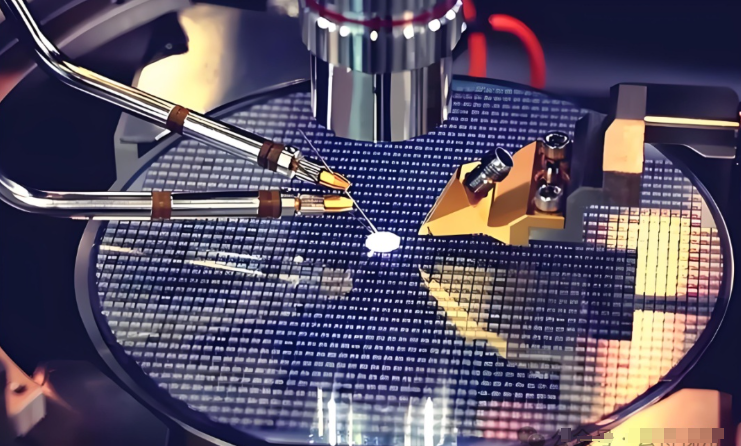
Stopping the Heat Leak in Biosensor Fabrication
When you’re heating biosensor substrates, you need the energy to go exactly where it’s supposed to. But here’s the problem with most semiconductor setups: standard IR lamps blast heat in every single direction. It’s a 360-degree spray. Most of that energy never even hits the substrate—it just bakes the inner walls of your equipment instead. If you can’t touch the outside of your machine without burning your hand, you’ve got a thermal leak.
Getting the heat to actually go where you want
We handle this by switching to directional infrared technology. Instead of just using a bare quartz tube, we use lamps with reflectors or special coatings. Think of it like putting a nozzle on a hose. It forces the IR radiation straight down onto the substrate. By narrowing that beam, we stop the energy from wandering off and hitting the chamber walls. The result? Your substrate hits the target temperature way faster, and your hardware stays cool to the touch.
The catch (and how to handle it)
Now, there is a trade-off. Since you’re concentrating all that heat into one spot, the intensity is much higher. It’s great for the equipment, but it puts a lot more stress on the biosensor material itself. If you crank the heat up too fast, you might warp the material or cause thermal shock. You’ll want to spend a little extra time tuning your PID controller to make sure the ramp-up is smooth.
A smaller, safer footprint
Cutting out “stray heat” does more than just lower your power bill. It makes the whole lab safer. When the internal walls aren’t soaking up wasted energy, the external chassis temperature drops. This means you can stop relying on those massive, noisy cooling fans or bulky heat sinks that take up half your bench space. Plus, you can actually fit these lamps into much tighter spots. Because the heat is aimed, you can move the lamp closer to the workpiece without worrying about melting a plastic component or frying a nearby sensor. Hook it up to a precision power supply, and you’re in total control of where every watt goes.