
Stop Waiting on Your Oven: Why IR is the Way to Go for Bio-Sensors
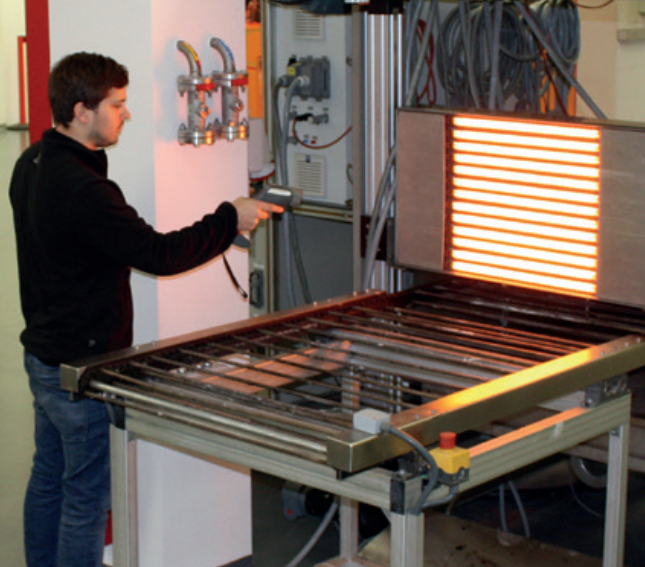
If you’ve spent any time in a cleanroom doing bio-sensor fabrication, you know the frustration of the “wait.” You’re using a standard hot air oven, and you’re just… sitting there. You have to heat up the entire box, then the air inside, and then finally the substrate. It’s like trying to warm up a house by heating the neighborhood first. It’s slow, and it’s a waste of your day. Switching to infrared (IR) lamps changes the whole vibe. Instead of relying on air to carry the heat, IR just beams energy directly into the wafer. No middleman. No waiting around. It’s fast. Really fast. When you can hit your target temperature in seconds rather than minutes, your entire production cycle shrinks. This is huge for bio-sensors. Since those sensitive materials can degrade if they’re exposed to heat for too long, being able to trigger a precise burst of heat and then stop is a lifesaver. Plus, you get way more control. With IR, you can set up your lamps to hit specific zones. You don’t have to bake the whole machine just to heat one spot on the sensor. Your facility’s cooling system will thank you for that. But a word of caution: because the heat is so concentrated, you have to be careful with your PID controllers. If you overshoot the temp even by a little, you might fry those delicate organic layers. It takes a bit of tuning, but it’s worth it. Then there’s the space. Convection ovens are bulky. They take up a massive footprint on the shop floor. IR lamps? They’re lean. You wire them into a fast-switching power supply, and suddenly you’ve reclaimed a ton of room. The only real catch is “line-of-sight.” IR works like a flashlight—if something is blocking the beam, it won’t get hot. If your sensor has a weird 3D shape or parts that cast shadows, you’ll need to play around with the angles or add some reflectors to make sure the heat spreads evenly. Once you get that dialed in, you’ll wonder why you ever bothered with hot air.