



Stop Replacing Your Heaters: Why IPX4 Actually Matters
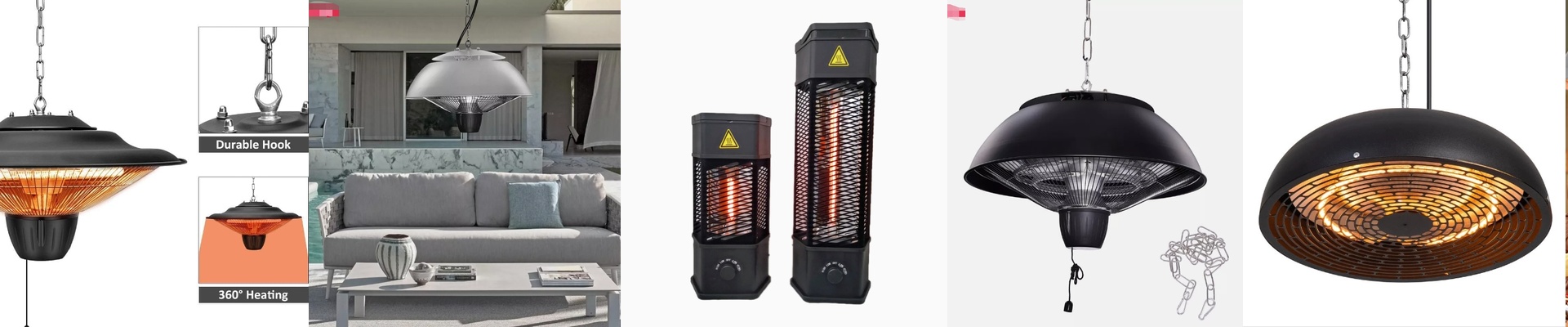
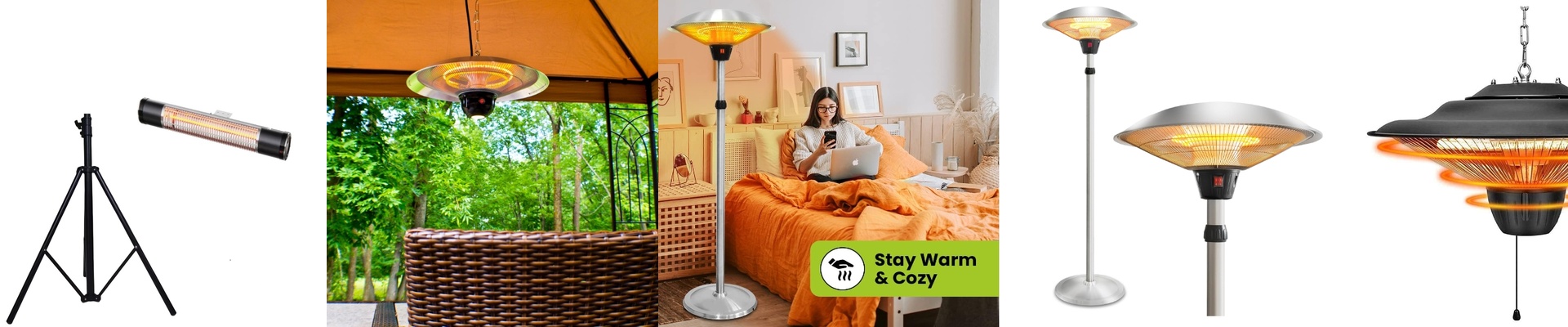
Water and electricity are a nightmare pairing. If you’ve worked in a plant, you know the drill: a bit of condensation here, an accidental splash there, and suddenly you’re dealing with a short circuit or a dead filament. It’s frustrating. It’s expensive. And honestly, it’s a waste of time. That’s why we built our latest infrared heaters to hit the IPX4 standard. Basically, we wanted to stop those annoying failures before they start. How it actually works When we talk about IPX4, we’re just saying the unit can handle water splashing at it from any angle without dying. We didn’t do anything fancy—just good old-fashioned sealing. We tightened up the electrical junctions and used gaskets to keep moisture away from the internal wiring. Here’s the real win: it stops “creepage.” That’s the technical way of saying moisture creates a little bridge across your insulators, which usually ends in a loud pop and a broken heater. The hidden killer: Fog You might think a bit of fog on the glass is just a visibility thing. It’s not. When tiny water droplets hit a red-hot quartz tube, it causes “thermal shock.” This creates microscopic cracks in the glass. You can’t see them, but oxygen can. Once that oxygen hits the tungsten filament, the heater burns out way faster than it should. Our anti-fog setup manages the airflow and surface temp to keep the glass dry. No fog, no cracks, no early replacements. The honest trade-offs Look, nothing is perfect. Because we added a splash-proof housing, these units are a bit bulkier. You can’t just jam them into the same tiny gaps where an open-frame heater might fit. Plus, that housing traps a little more heat around the wires. Just make sure your mounting brackets give the unit some breathing room so it doesn’t overheat. Getting them running The good news? These are drop-in replacements. You wire them into your current controllers and you’re good to go. The best part is the peace of mind. Instead of spending your weekend swapping out lamps every few months because the environment is too damp, you can actually just let the machines do their job.